
Cambodia Tire Supply Base Shift
Benefiting from continuously increasing industrial investment, Cambodia has surpassed Vietnam to become the second-largest source of imported passenger car and light truck tires for the United States, reshaping the regional competitive landscape. Leading Chinese companies such as Triangle Tire have successively invested in new production bases in Cambodia.
Coupled with anti-dumping and anti-circumvention investigations launched by multiple countries against Thai tires, the growth momentum of Cambodia's tire industry continues to strengthen. Industry experts generally predict that in the medium to long term, Cambodia is likely to surpass Thailand to become the largest tire importer for the US and even European markets, marking a new stage in the overseas production capacity transfer and global supply chain layout of Chinese tire manufacturers.
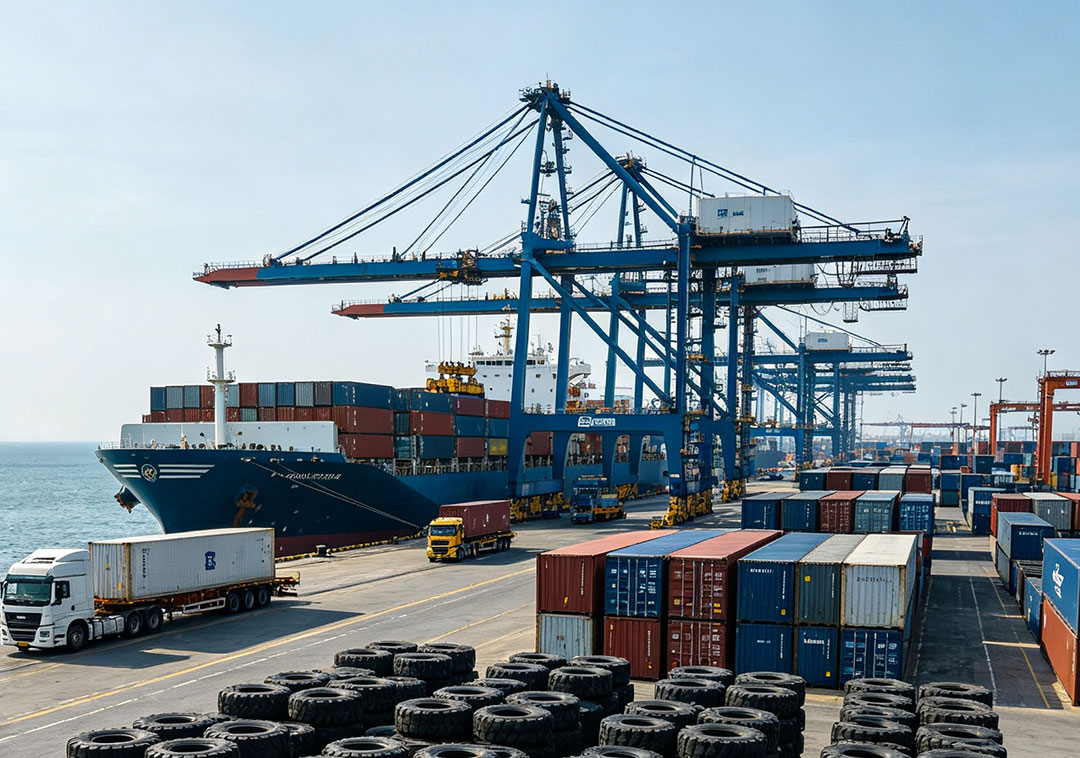
Trade data clearly reflects the adjustment in market flows. In the first quarter of 2026, the share of tires directly shipped from Chinese factories to the European market decreased from 74% in previous years to 52%, indicating a significant narrowing of the direct supply ratio. Filling this gap and absorbing the demand from European and American consumers is not achieved through domestic manufacturing capacity in other countries, but rather through the overseas production bases of Chinese tire companies in Southeast Asian countries.
From a long-term industrial planning perspective, newly built tire manufacturing bases in Africa will also gradually release capacity, alleviating supply pressure on the European, American, and Middle Eastern markets, thus forming a production capacity matrix supporting global exports through both Southeast Asia and Africa.
Cambodia's rapid expansion in the North American tire import market is driven by a combination of advantages. On the trade front, Cambodia enjoys preferential tariff treatment under the US Generalized System of Preferences (GSP) and currently has not faced high anti-dumping and countervailing duties on its tire exports to the US. Compared to Thailand and Vietnam, which are facing ongoing trade investigations, Cambodia enjoys a significant policy window of opportunity.
On the raw material side, Cambodia's large natural rubber plantations allow for the local sourcing of core tire raw materials, effectively reducing cross-border transportation costs. Regarding industrial support, Chinese companies such as Sailun, General Electric, and Double Star have already completed their production capacity deployment.
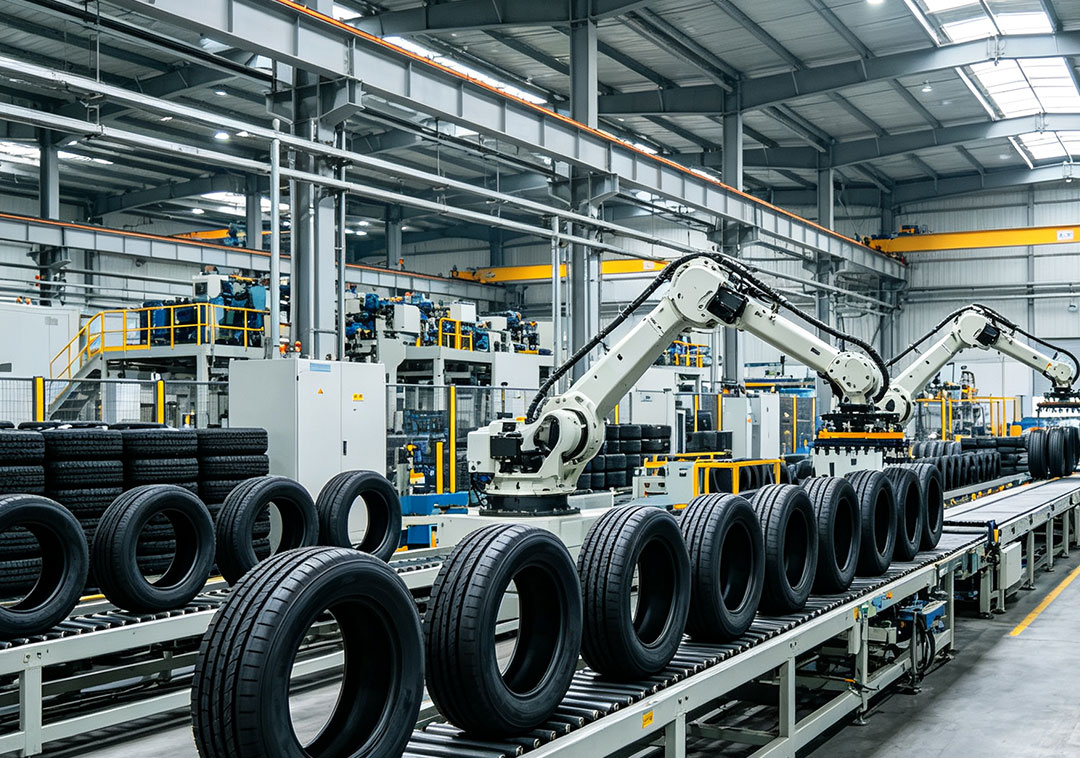
Triangle Tire announced in early 2026 an investment of RMB 3.219 billion to build a new factory in Cambodia, which, upon reaching full capacity, will produce 7 million radial tires annually, targeting the North American, European, Middle Eastern, and Southeast Asian markets, further amplifying the industrial cluster effect. In 2024, Cambodia's tire exports increased by over 120% year-on-year, maintaining rapid growth.
In contrast, Thailand's tire exports are facing increasing pressure. While Thailand has long held the top position in US tire imports thanks to its mature rubber industry chain, recent years have seen escalating trade protection measures from Europe and the US.
The US has repeatedly initiated anti-dumping reviews of Thai passenger car and truck/bus tires, while the EU has simultaneously tightened its rules of origin verification, rigorously investigating tariff evasion through Thailand. Thai tire exports face the dual pressures of rising tariffs and order diversion. Customs authorities in many countries have strengthened origin traceability audits, increasing compliance costs, and a large number of orders continue to shift to Cambodia, further consolidating the latter's supply position in the North American market.
The decline in the proportion of domestic exports to Europe does not necessarily indicate a weakening of the overall competitiveness of Chinese tires, but rather reflects a strategic shift in global production layout by companies. The US and Europe have long imposed high anti-dumping and countervailing duties on Chinese-origin tires, coupled with carbon border taxes and increasingly stringent environmental entry barriers, continuously driving up the cost of direct exports from China.
Southeast Asian overseas bases have effectively absorbed diverted demand: relying on the RCEP free trade agreement, the flow of raw materials and finished products within the region enjoys tariff reductions, significantly shortening the overall production-to-delivery cycle. For the European market, in addition to Southeast Asian production capacity, Chinese-funded tire factories in Serbia can utilize EU candidate country policies to enter the entire EU duty-free, forming a complementary supply system between Southeast Asia and Central and Eastern Europe.
In the long run, Africa will become the second growth engine of China's global tire supply chain. Africa has a large population, a continuously rising car ownership rate, and infrastructure and logistics demands driving up consumption of commercial vehicle and engineering tires year by year. Import tariffs on tires in this region are generally low, and trade barriers are significantly less than in Europe and the United States.
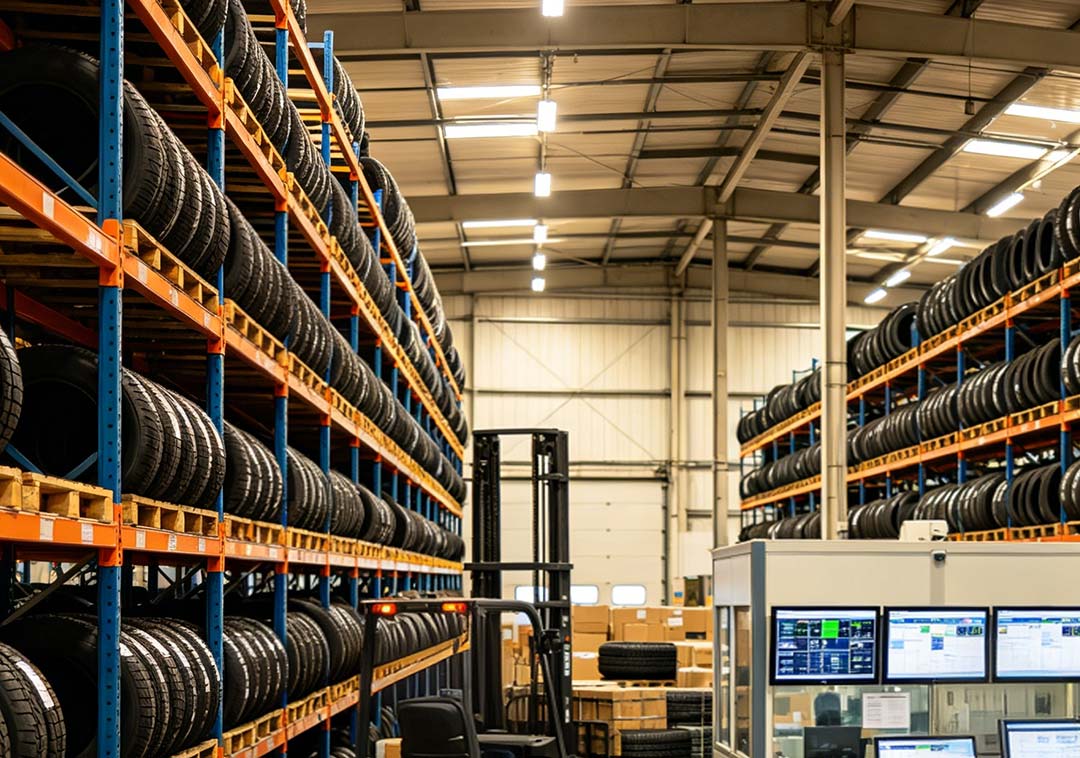
Currently, many domestic tire companies have established production lines in Morocco, South Africa, and other locations, leveraging the lower land and labor costs to create production nodes targeting emerging markets. In the future, these facilities can handle orders from Africa, South America, and the Middle East, complementing their Southeast Asian bases and effectively mitigating the trade risks and overcapacity risks associated with excessive concentration of production capacity in a single region.
This parallel layout of multiple bases in Southeast Asia and Africa creates a highly collaborative global supply network for domestic tire companies, covering the entire chain from production and logistics to risk hedging. Firstly, it allows for localized response to differentiated regional demands.
The Southeast Asian base focuses on mid-to-high-end passenger car tires and light truck tires for Europe and the United States, while the African base emphasizes commercial vehicle and engineering replacement tires. Each base can independently handle customized orders from local dealers, eliminating the need for long-distance transport from China and significantly improving delivery efficiency. Secondly, it significantly reduces overall operating costs.
Procuring core raw materials such as natural rubber and steel wire locally reduces logistics and warehousing costs associated with ocean shipping and multi-level transshipment, while also mitigating the impact of price fluctuations in a single region.
Thirdly, it effectively diversifies geopolitical trade risks. If a single region experiences anti-dumping or countervailing duties, tariff adjustments, or geopolitical friction, other overseas bases can quickly allocate production capacity to fill the gap, ensuring stable delivery of overseas customer orders and reducing over-reliance on a single market or production base.
In an environment of escalating global trade protectionism and frequent adjustments to regional trade rules, Chinese tire companies are inevitably choosing to shift from solely exporting to a three-dimensional layout of "domestic R&D and manufacturing + high-end export bases in Southeast Asia + emerging market bases in Africa" as part of their industrial upgrading. Multi-regional production capacity synergy not only stabilizes the market share of Chinese tires in mainstream European and American markets but also simultaneously deepens their presence in local replacement markets such as Africa and Southeast Asia, building a complete supply chain system covering core global consumption areas with stronger risk resistance, providing flexible and sustainable product supply and service support for the long-term stable development of the industry.




