
45% Penetration Reshapes TBR Tire Market
China's TBR Tire Market Shifts Gears as NEV Truck Penetration Breaks 45%
China's heavy truck market just recorded its strongest June in five years. Sales hit 115,000 units for the month, up 18% year-on-year, pushing the first-half total to 660,000 units—a 22% gain over the same period last year.
The real force behind these numbers, however, is the speed of electrification. NEV heavy truck sales more than doubled. Penetration crossed the 45% mark, moving far faster than most in the industry had expected. And that surge is now reshaping demand up the supply chain, opening a new chapter for TBR tires.
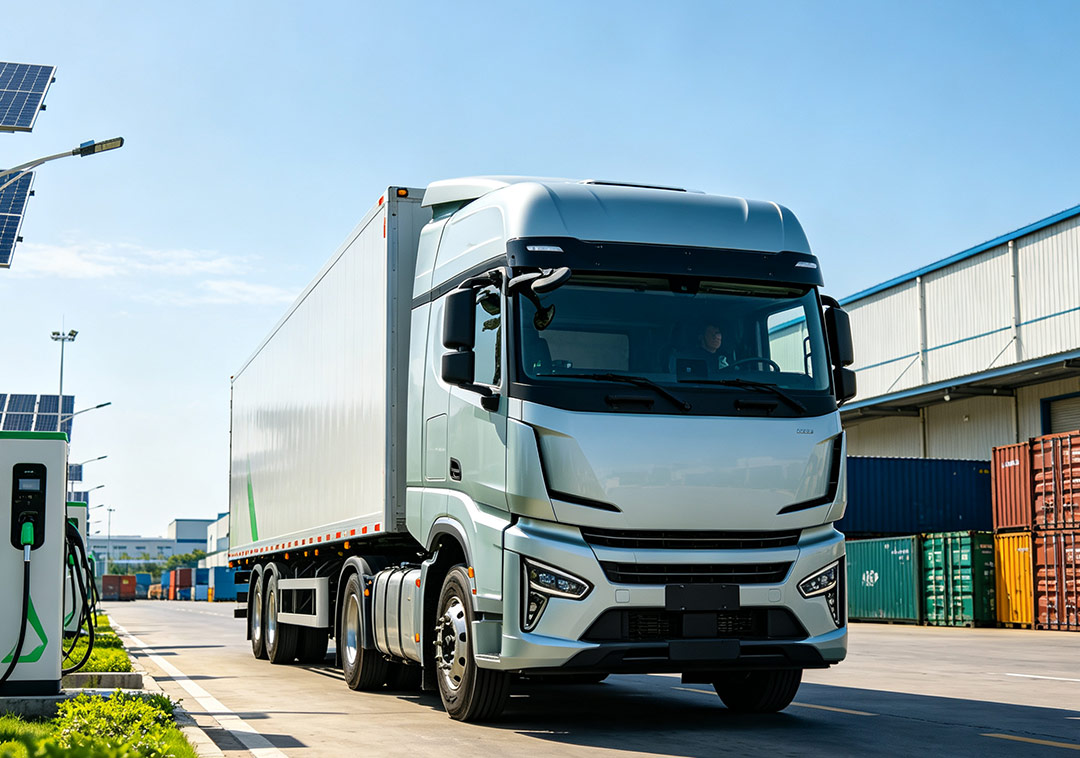
Overall tire output is recovering, but a quick look under the surface tells a more interesting story. All-steel radial truck tire production edged up only slightly in the first half. Meanwhile, shipments of dedicated NEV tires—lighter weight, low rolling resistance, high load capacity—grew at a pace several times faster than conventional diesel truck tires. The gap points to a genuine shift, not a temporary blip.
Major tire manufacturers are running their NEV production lines at full tilt. Many have deliberately adjusted their product mix, pulling back on standard fuel-truck tire output to secure capacity for NEV-specific orders. Tires built for short-haul, high-frequency jobs—ports, mining sites, urban waste removal—are in particularly short supply right now.
What's driving this change? Operating reality, not speculation. NEV trucks behave differently: different torque delivery, different weight distribution, tighter range targets. Fleet operators and OEMs are walking away from generic tire choices.
They want a purpose-built product that cuts energy use, stretches battery range, and still handles the load. Once real-world data confirms those benefits, switching becomes a straightforward cost decision. That's why these specialized tires are commanding stronger prices and gaining share in both OE and replacement channels—breaking the old pattern where heavy truck tires competed mostly on price.
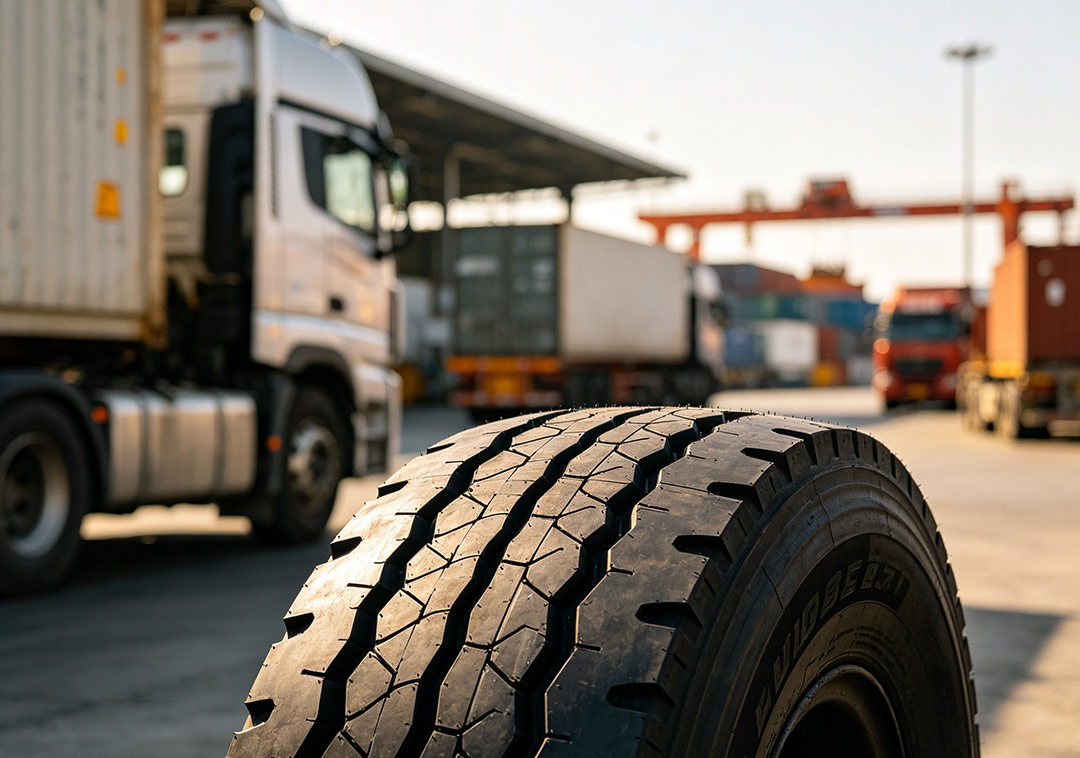
Policy provides a steady tailwind. Several provinces have rolled out firm targets for converting diesel trucks to electric in ports, industrial zones, urban infrastructure, and short-haul logistics. These targets give the NEV TBR tire segment something rare: a visible, predictable demand runway. At the same time, scrappage and renewal programs for older diesel trucks keep the replacement tire market moving for traditional fuel trucks. The result is a two-track market where both fuel-tire and NEV-tire volumes are expanding.
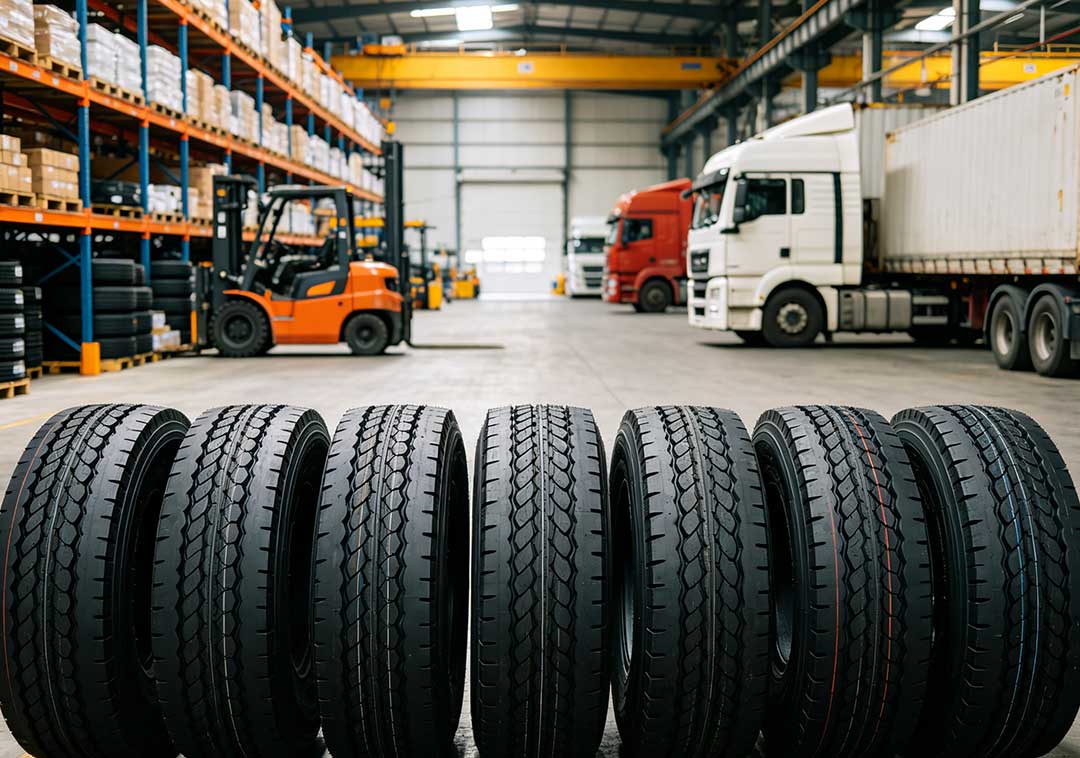
Stepping back, the heavy truck recovery through mid-2026—and the NEV segment's breakneck penetration—has lit a fire under the specialized TBR tire market. In the near term, the spike in vehicle production is driving direct OE demand, with a replacement wave set to follow as those trucks rack up miles. Looking further out, electrification is now a given.
Competition in the TBR space will increasingly center on application-specific, high-performance tires. The era of chasing total volume alone is fading. The market is moving into a new phase where structural growth, led by NEV-specific tires, defines who wins.




