
Radial or Bias Tire Potential Comparison
The latest monitoring data from China's rubber industry shows that the radialization rate of tires for passenger cars and long-haul freight vehicles is approaching 100%, and has exceeded 89% in the engineering and agricultural machinery sectors. Bias-ply tires are retreating to marginal markets such as low-speed mining, and their market share continues to shrink. This is not simply a matter of product iteration, but rather a battle over technological paths determined by structural mechanics.
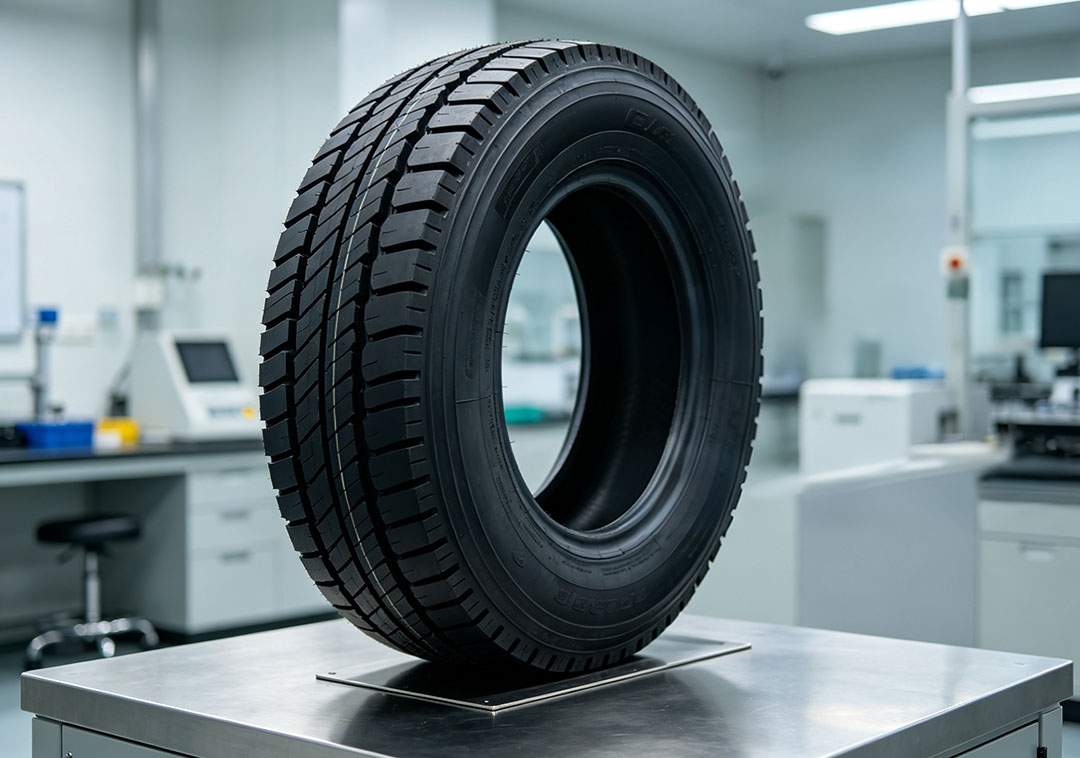
A technological race that has lasted for over seventy years has yielded a clear answer
After more than seventy years of development in the tire industry, one judgment has gradually become a consensus: the difference between bias-ply and radial tires lies not in materials or processes, but in the structure itself.
Bias-ply tires use a multi-layered, cross-laid cord arrangement, with the cords at a 30-50 degree angle to the tread centerline. The sidewall and crown share the same skeleton, forming an integrated load-bearing structure. This design does have advantages in low-speed conditions—impact resistance, puncture resistance, and low short-term operating costs. This is why it still retains a place in unpaved road scenarios such as mining and small agricultural machinery.
However, according to industry experts, attempts to improve bias-ply tires have been ongoing for years, including adding belt layers, using high-modulus nylon cords, and optimizing reinforcement compounds, but the effects have remained limited. "These measures can only slightly alleviate the problem and cannot address the root cause of the issue."
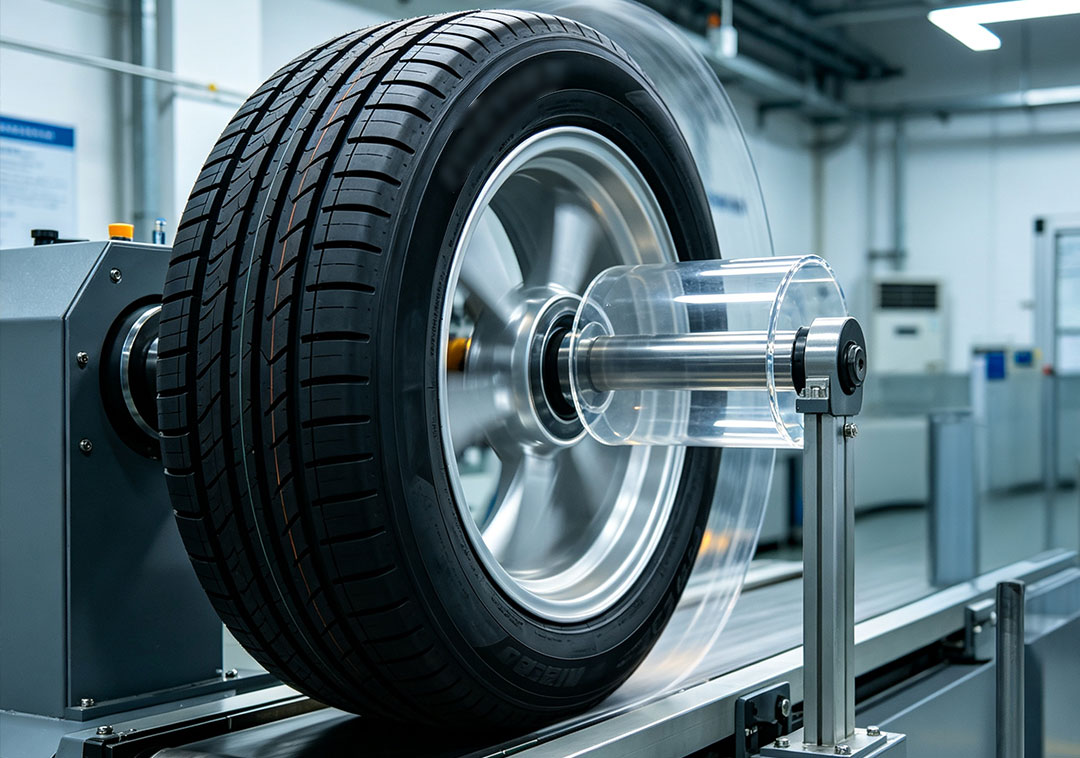
Physical Laws Define Technological Boundaries
The real weakness of bias-ply tires lies in the shear stress between the ply layers.
During vehicle operation, the tire repeatedly deforms, causing the cross-ply layers to slide relative to each other, resulting in continuous friction and heat generation. It is understood that even with the introduction of low-hysteresis rubber compounds like silica and thicker heat-dissipating rubber layers, heat loss can only be reduced by a maximum of about 15%. Under high-speed conditions, the tire's internal temperature still rises rapidly, directly limiting driving speed and tire life.
Another set of comparative data is even more telling: bias-ply tires have poor ground pressure uniformity, with a tread pressure standard deviation of approximately 0.5 MPa, while radial tires typically only have 0.2 MPa. The problem of uneven wear cannot be completely eliminated, and the potential for improving wear mileage is less than 10%.
"As an improved version, the bias-ply tire only features limited reinforcement in the tread," an industry insider pointed out. "Core issues such as shear heat generation in the ply layers and high rolling resistance remain intact. The additional ply and rubber compound actually increase costs, rendering the cost-effectiveness of the improvement untenable long ago."
Radial Tires: A Different Structural Logic
Radial tires follow a completely different technological path. The carcass cords are arranged radially and do not intersect, eliminating interlayer shear friction by design and inherently reducing heat loss by 30% to 40%. Independent steel belt layers can be individually adjusted according to different needs such as energy saving, wear resistance, heavy load, and wet grip, without compromise.
On the materials side, radial tires are fully compatible with next-generation raw materials such as highly dispersed silica, high-modulus polyester cords, and low rolling resistance additives. Industry test data shows that radial tires using a highly dispersed silica formulation reduce rolling resistance by approximately 20% and shorten wet braking distance by approximately 15%, achieving a dual improvement in energy saving and safety.
In terms of manufacturing processes, radial tires have incorporated modern manufacturing systems such as CNC molding, finite element simulation, and micron-level tension control. From 2025 to 2026, hybrid-structure radial tires for agricultural machinery will be launched successively. Through localized sidewall reinforcement design, these tires combine the energy-saving and long-life characteristics of radial tires with the puncture resistance of bias tires, further expanding their applicable scenarios.
In contrast, the molding process for bias tires still relies heavily on manual bonding, with extremely limited room for automation upgrades. "Equipment upgrades cannot change the fundamental nature of the cross-stressing of the tire cords, and digital simulation can only make minor adjustments to local dimensions, making it difficult to bring about a qualitative change."
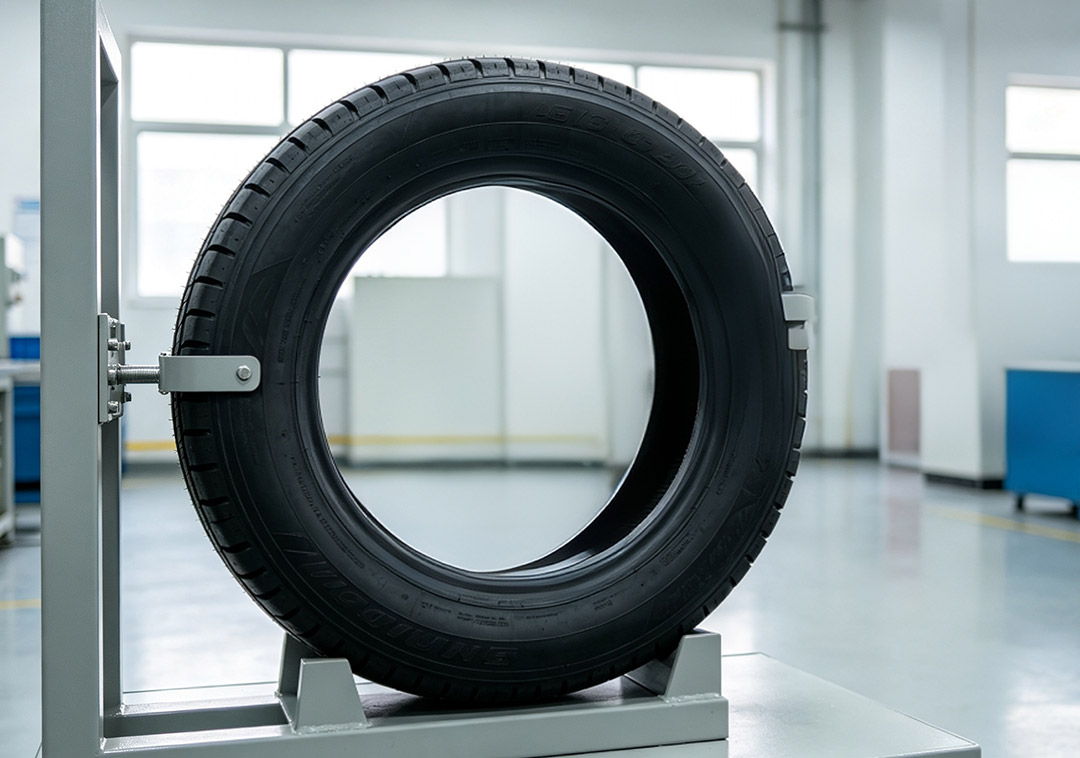
Industry resource flows confirm the trend
Industry data shows that major tire companies have invested a large proportion of their R&D resources in radial tires. New technologies in sub-sectors such as lightweighting, low rolling resistance, wear resistance, quietness, and tubeless tires are entering the application stage almost every year.
Meanwhile, R&D investment in bias tires has been decreasing year by year. By 2025, the revenue share of bias tire business for major Chinese tire companies will be less than 1%, production lines are gradually being phased out, and related material and process innovation has essentially stagnated.
Observers summarize the differences between the two technological paths as follows: "Improvements to bias-ply tires are patchwork-like, offering only limited relief within the framework of inherent defects; upgrades to radial tires are systematic, with advancements possible in the tire's frame, materials, processes, and simulation, offering no rigid upper limit to improvement."
The impact resistance of bias-ply tires under low-speed, heavy-load, and harsh conditions remains their unique value. However, their structure dictates that their technological potential has essentially reached its peak. With energy efficiency, high speed, long lifespan, and lightweighting becoming core requirements for vehicle components, the significant gap in improvement potential constitutes the fundamental driving force behind the continued shrinking of the bias-ply tire market.
The replacement of bias-ply tires by radial tires is not a random shift in market preference, but an inevitable trend driven by both physical laws and industrial logic. This trend will continue in the foreseeable future.




