
Agricultural Tire Market: Price Rise
Since 2026, the domestic agricultural machinery tire market has exhibited a trend of "cost-driven price increases, steady demand release, and continuous structural optimization." Influenced by multiple factors such as raw material price fluctuations, agricultural policy guidance, and industry competition, the market situation has shown more pronounced differentiation compared to previous years.
While maintaining overall stable operation, structural adjustments have occurred in certain sectors, bringing new opportunities and challenges to the industry's development.
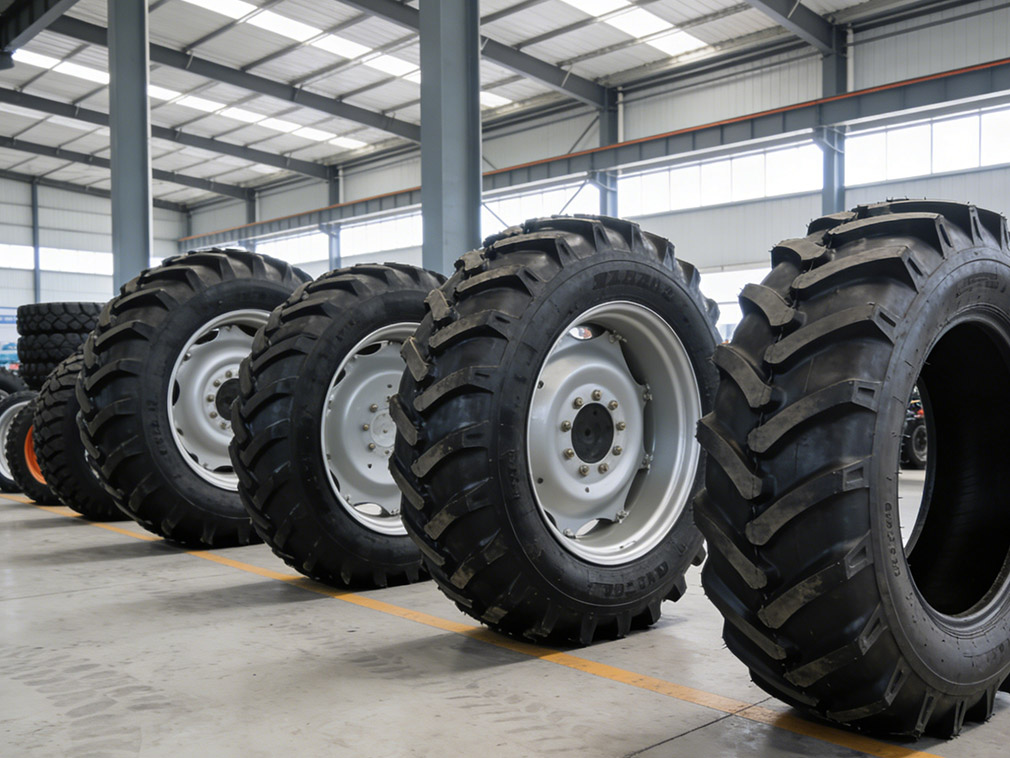
Currently, the most significant characteristic of the agricultural machinery tire market is the general price increase, a trend that has been particularly prominent since March 2026. Affected by the sharp rise in the prices of core raw materials such as natural rubber, synthetic rubber, and carbon black, leading companies in the industry, such as Zhongce Rubber and Linglong Tire, took the lead in issuing price increase notices.
Smaller and medium-sized enterprises such as Jinzhou Kaitao and Huaxing Wanda subsequently followed suit. The price increases cover all categories, including loader tires and all-steel radial tires, with increases generally ranging from 2% to 5%, and some special specifications seeing increases approaching 10%.
In March 2026, the price of natural rubber exceeded 17,000 yuan per ton, a year-on-year increase of over 10%. Coupled with a strong rise in international crude oil prices driven by geopolitical factors, this led to a simultaneous increase in the prices of petroleum-based raw materials such as synthetic rubber and carbon black.
Carbon black prices rose by 13% in a single month, further pushing up the production costs of agricultural machinery tires. Enterprises were forced to adjust prices under cost pressure, with some explicitly stating that they might further adjust prices based on raw material trends.
On the demand side, the agricultural machinery tire market showed steady growth, mainly supported by policy-driven factors and replacement demand. The No. 1 Central Document of 2026 explicitly proposed accelerating the research and application of high-end intelligent agricultural machinery equipment suitable for hilly and mountainous areas, promoting the transformation of agricultural mechanization towards specialization and scenario-based applications, driving a steady increase in the number of large and medium-sized tractors, combine harvesters, and other agricultural machinery, thereby boosting new demand for matching tires.
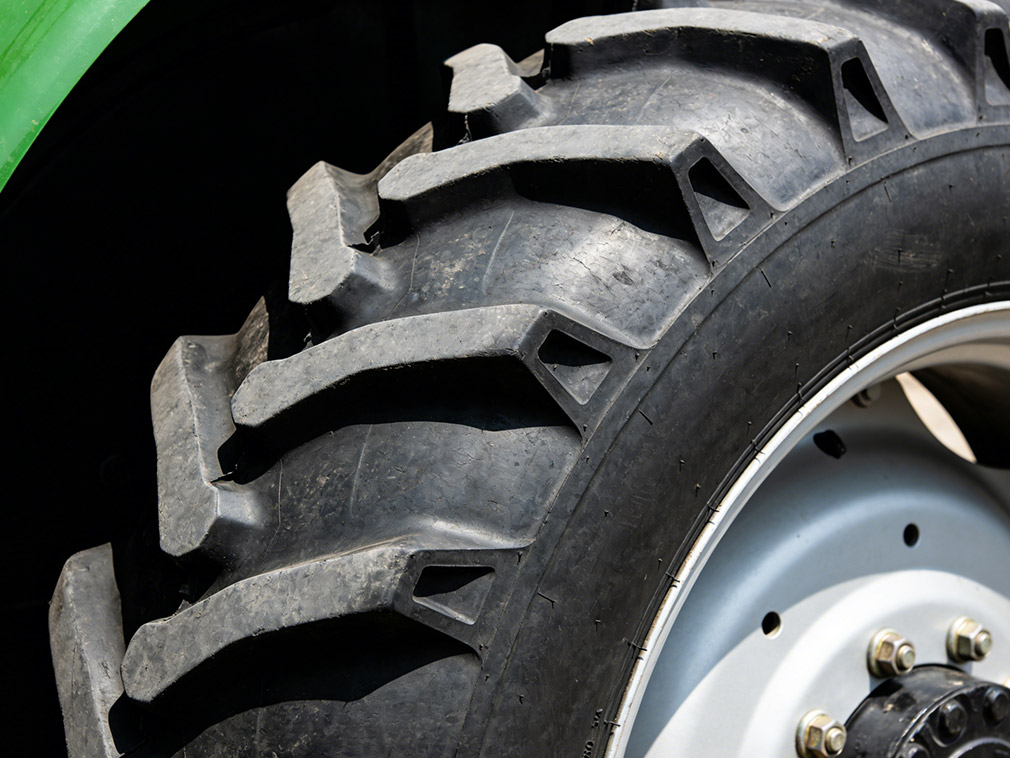
At the same time, the existing equipment generated during the peak sales period of agricultural machinery from 2022 to 2024 entered a concentrated replacement cycle in 2026, with replacement demand continuing to be released. The total sales volume of agricultural machinery tires is projected to reach 67.8 million units for the year, with a market size exceeding 29 billion yuan, representing a year-on-year increase of approximately 8.6%.
Regional demand exhibits differentiated characteristics: the North China market favors wide-width, wear-resistant radial tires; the Northeast market focuses on low-compaction products for black soil protection; the Yangtze River basin prioritizes high-buoyancy, anti-sinking tires for paddy fields; and the hilly areas of Southwest China are accelerating the replacement of bias-ply tires with radial tires.
In terms of product structure, the industry is accelerating its transformation towards high performance, customization, and green technologies. Radial tires, with their advantages of wear resistance, energy efficiency, and high load-bearing capacity, are seeing a continuous increase in penetration rate, rising from 38% in 2021 to 57% in 2025. This percentage is expected to continue to rise steadily in 2026, gradually replacing traditional bias-ply tires as the mainstream product in the market.
Meanwhile, customized products tailored to different regional soil conditions and crop types are constantly emerging, such as low-ground pressure tires for black soil in Northeast China and anti-sinking tires for paddy fields in the South, effectively meeting diverse operational needs. Furthermore, the pace of green and low-carbon transformation is accelerating.
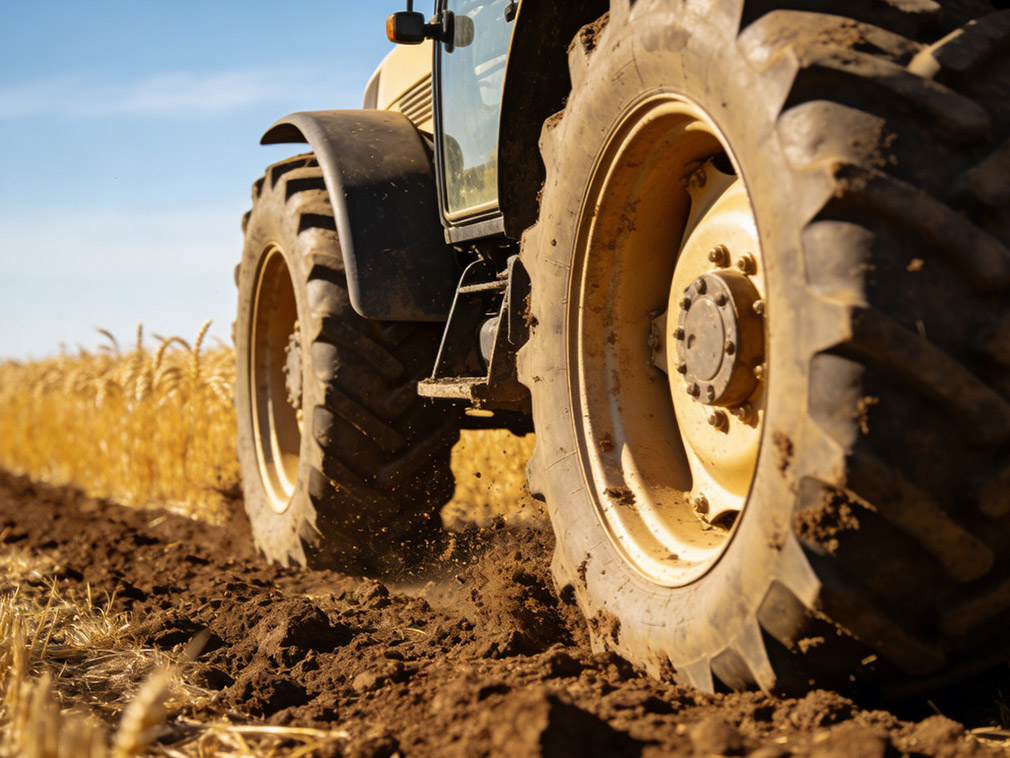
Guidelines from the Ministry of Industry and Information Technology are encouraging companies to adopt environmentally friendly raw materials such as bio-based materials and recycled rubber. Some companies have already launched products with a sustainable material content exceeding 30%, aligning with industry development trends.
The industry's competitive landscape is characterized by "domestic dominance and high-end foreign leadership," with domestic brands holding a combined market share of 78.4%. Leading companies such as Linglong, Triangle, and Zhongce have maintained stable gross profit margins thanks to their advantages in large-scale procurement and formula optimization, leading to a continuous increase in industry concentration.
Smaller brands, however, face increasing cost pressures and intensified homogeneous competition, with some gradually exiting the market. The export market has become a new growth engine. In 2025, China's agricultural machinery tire exports reached 11.5 million units, and the export share is expected to rise to 22% in 2026, mainly targeting countries and regions along the Belt and Road Initiative with rapid agricultural modernization.
In the short term, the high price of raw materials is unlikely to change, and there is still room for a slight increase in agricultural machinery tire prices. In the long run, with the continuous improvement of agricultural mechanization, the release of policy dividends, and the in-depth promotion of industry technology upgrading and green transformation, the agricultural machinery tire market will maintain steady development.
High-performance, customized, and environmentally friendly products will become the core of market competition, and companies with full-chain integration capabilities are expected to further expand their leading advantages.
-
National Day Highway Charging Hits Record: +60.4% YoY(Oct 8)8264
-
New Energy Vehicle Exports Accelerate: 3.435 Million Units in First 8 Months, Up 120% Year-on-Year(Oct 8)8882
-
Chinese Tire Exports: Volume Up But Revenue Down Nearly RMB 900 Per Ton(Oct 8)5408
-
CNH Industrial: Smart Farming, NE and Local Tech(Sep 30)5577
-
CNHTC Drives Surging NE Heavy Truck Exports(Sep 30)8500




