
Are Bigger Car Tires Better?
In recent years, car tire design seems to have shifted entirely towards "aesthetics first." Larger wheel sizes and wider, lower-profile tires have become the mainstream trend in the new car market. However, this trend has also led many ordinary car owners into a dilemma—while low-profile tires offer a striking visual effect, they are more prone to bulges, reducing comfort. The slight improvement in handling during daily driving is far from enough to compensate for the lack of practicality.
For automakers, the core reason for pursuing large-size tires is to enhance the overall visual appeal of the vehicle. Larger wheels can fully fill the wheel arch space, making the body lines appear more streamlined and reducing bulkiness, creating a stronger sporty atmosphere and a sense of luxury. This is also an important means for automakers to achieve design differentiation and increase product premium.
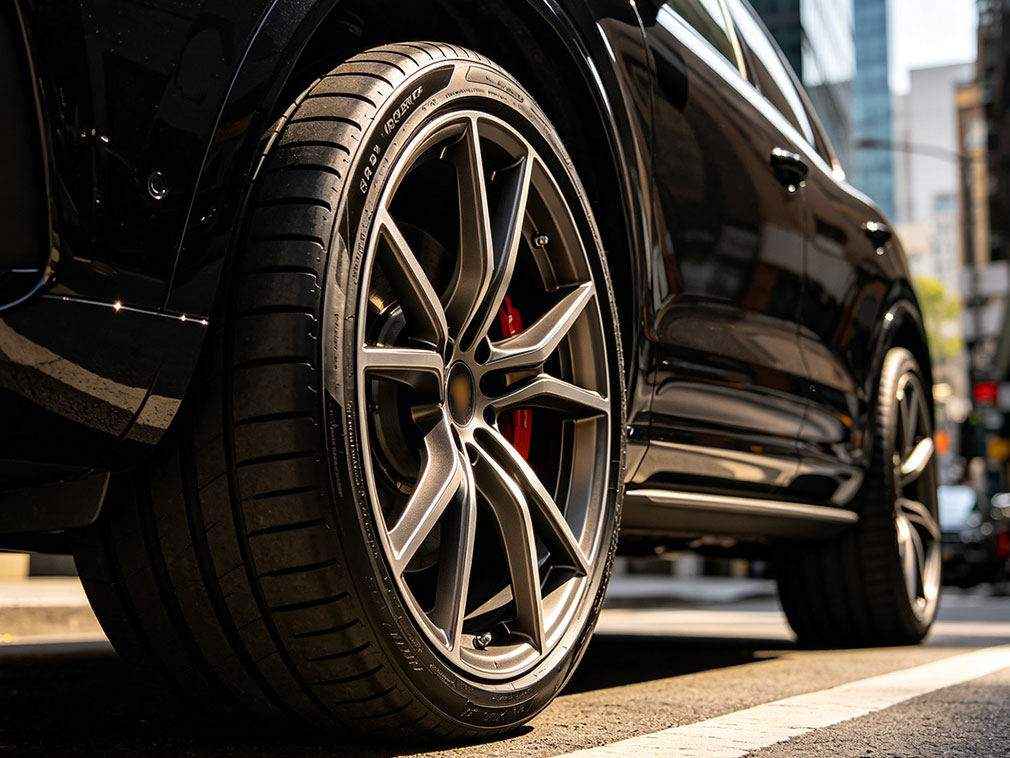
At the same time, the larger internal space of the wheel can accommodate larger brake discs and calipers, optimizing braking performance to some extent, adapting to the trend of continuously upgrading vehicle power, making product performance parameters more competitive, and better aligning with consumers' preference for a sporty appearance.
However, in everyday family driving scenarios, the drawbacks of large, low-profile tires are quite prominent. A low aspect ratio means thinner sidewalls, significantly reducing shock absorption. When driving on potholes, speed bumps, or gravel roads, road impacts are directly transmitted to the cabin, resulting in noticeable bumps and a significant decrease in rear passenger comfort. Simultaneously, thinner sidewalls have poorer impact resistance; minor bumps to curbs or high-speed driving over potholes can easily cause tire bulges or even punctures, and in severe cases, wheel deformation.
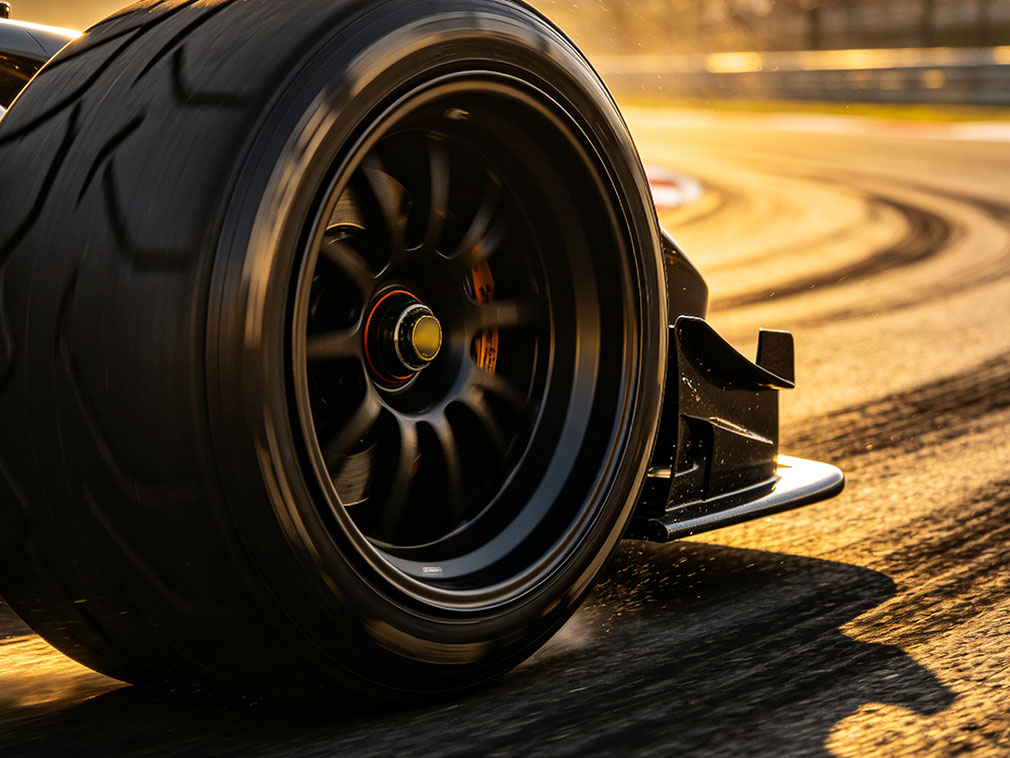
Compared to standard-sized tires, this configuration has a higher failure rate and shorter lifespan. Furthermore, larger, wider tires have a larger contact patch, increasing rolling resistance. Some tests show that this can increase fuel consumption by 5% to 8% per 100 kilometers, significantly increasing long-term operating costs.
Many consumers mistakenly believe that larger tires mean a comprehensive performance upgrade, but in reality, their handling advantages are almost exclusively available in extreme driving scenarios. These types of tires only offer enhanced grip and driving stability during high-speed cornering and emergency braking.
However, most family car owners rarely encounter these extreme ranges, instead enduring the real drawbacks of poor comfort, susceptibility to damage, high fuel consumption, and expensive maintenance. Furthermore, the market penetration rate of large-size tires is low, and the price per tire is significantly higher than that of regular tires, further increasing subsequent repair and maintenance costs.
From the perspective of tire manufacturers, mass production of large-size tires is not necessarily a boon. Their manufacturing process is more complex, requiring higher standards for raw materials and production equipment.
Yield rates are often lower than for regular tires, resulting in higher production costs and losses. While current automaker orders are forcing tire companies to increase large-size production capacity, the target audience for these products is relatively limited, and replacement market demand is far less stable than for regular-sized tires. Companies face higher inventory and R&D pressures, making it less than ideal for large-scale production.
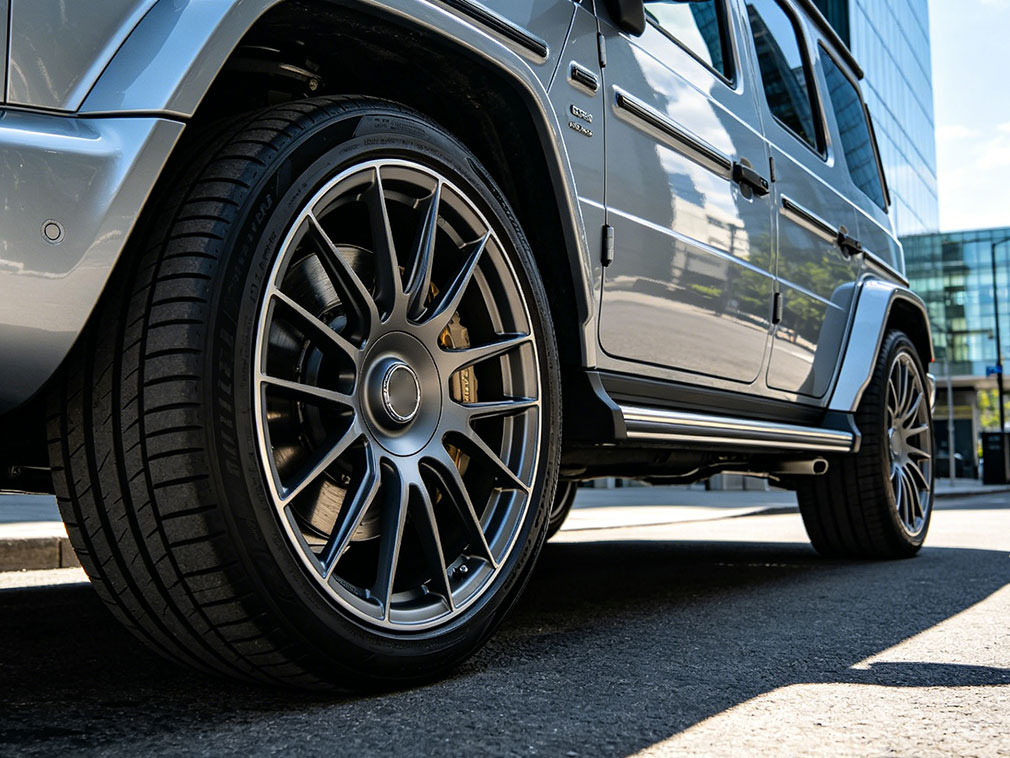
Ultimately, large-size, low-profile tires are more of a design option for automakers to cater to aesthetics and enhance product packaging, rather than a truly practical upgrade suitable for family use. The core of tire size selection should be matching the vehicle's positioning and the user's actual driving scenarios.
Blindly pursuing large, low-profile tires for aesthetic reasons will only turn the benefits of good looks into an economic and experiential burden for car owners in daily use. For the vast majority of ordinary car owners, regular-sized tires that balance durability, comfort, and economy are the more rational choice for daily commuting needs.




