
China's EV Tire Market Surge in 2026
In 2026, the electrification process of China's passenger vehicle market will further accelerate. In April, the retail penetration rate of new energy passenger vehicles exceeded 61.4%, and the production, sales, and export volume of complete vehicles steadily increased. Taking SAIC Motor as an example, its new energy vehicle sales in May increased by 46.49% year-on-year. BYD's monthly new energy vehicle exports exceeded 160,000 units.
This profound transformation of the vehicle industry is driving a rapid expansion cycle for EV-specific tires from top to bottom. The industry is shifting from overcapacity and low-price competition in the traditional general-purpose tire market to a new stage of customized and green upgrades for high-performance EV tires.
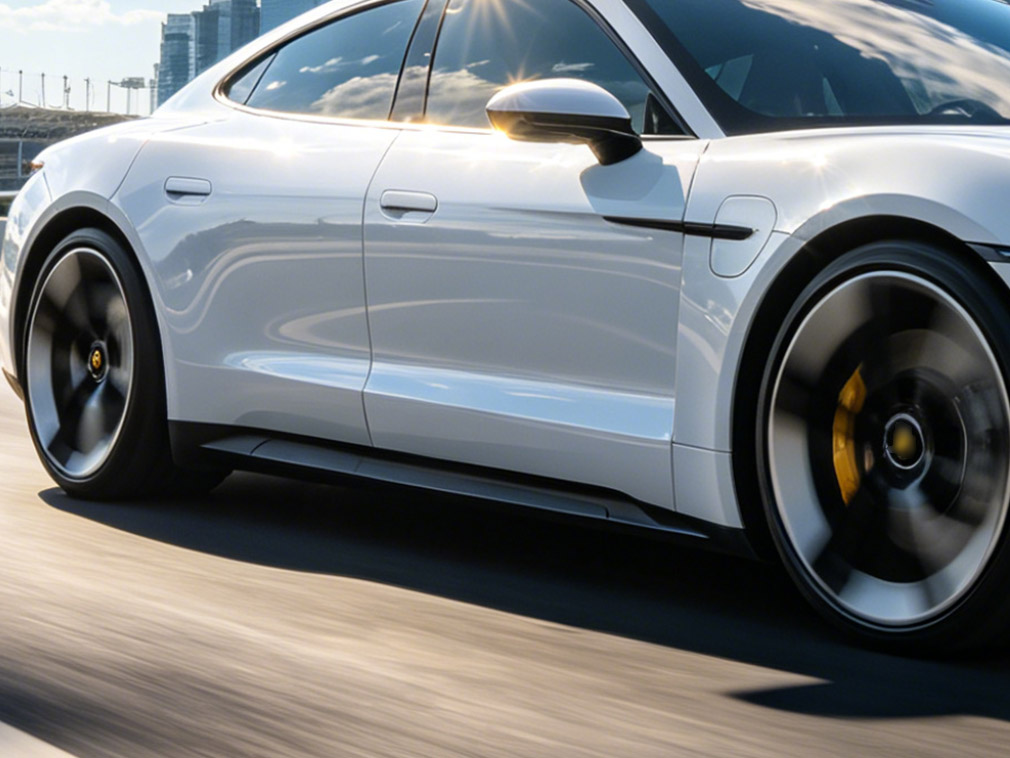
Compared to tires for traditional gasoline vehicles, EV tires, designed for the characteristics of new energy vehicles such as greater weight, instantaneous peak torque output of electric motors, lack of engine noise shielding, and high dependence on low rolling resistance for range, have formed a differentiated technical system in terms of structure, formulation, and process, becoming a high-growth segment in the tire industry.
From a product performance perspective, pure electric passenger vehicles, due to the presence of power batteries, typically have a curb weight 300 to 500 kilograms higher than comparable gasoline vehicles, placing their tires under constant high load. To address this, the industry generally adopts an XL high-load tire carcass design, thickening the sidewalls and optimizing the ply arrangement.
Some products also add reinforcing materials such as aramid to enhance the tire carcass's resistance to deformation and reduce the risk of uneven wear under long-term heavy loads. The electric motor can release peak torque at startup, and the shear force on the tire tread can be 2 to 3 times that of a gasoline vehicle. Combined with the continuous braking friction during kinetic energy recovery, this exacerbates tread wear.
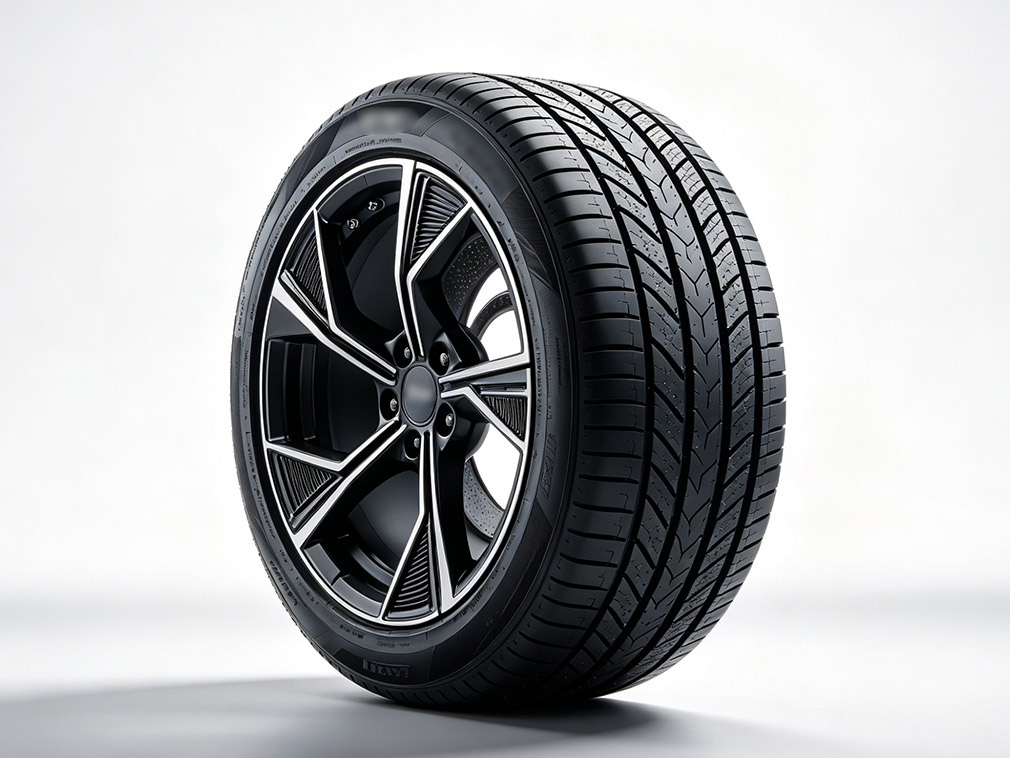
When ordinary tires are used in new energy vehicles, the replacement mileage is often only 20,000 to 30,000 kilometers; however, EV-specific tires with optimized formulas can have a service life extended to 40,000 to 50,000 kilometers. Compared to the conventional replacement cycle of 60,000 to 80,000 kilometers for gasoline vehicle tires, this cycle is significantly shortened, directly amplifying the replacement demand in the aftermarket.
At the same time, without engine noise shielding, tire noise becomes the main noise source in the cabin. Mainstream EV tires generally embed polyurethane sound-absorbing cotton in the tire cavity and combine it with a variable pitch asymmetrical tread design to effectively suppress road friction noise and improve the overall vehicle quietness.
In terms of range optimization, tire rolling resistance accounts for approximately 20% to 30% of the total energy consumption of a vehicle. Automakers and tire manufacturers are collaborating to use highly dispersed silica combined with modified solution-polymerized styrene-butadiene rubber (SBR) formulations, striving to balance three core indicators: low rolling resistance, wet grip, and abrasion resistance. Real-world testing shows that EV tires meeting technical specifications can help increase the range of a single vehicle on a single charge by 5% to 8%.
Raw material standardization lays a solid foundation for improving the quality of domestically produced EV tires. In May 2026, the national standard for neodymium-based butadiene rubber officially came into effect, unifying key indicators of high-end synthetic rubber raw materials and potentially accelerating import substitution of high-end rubber raw materials.
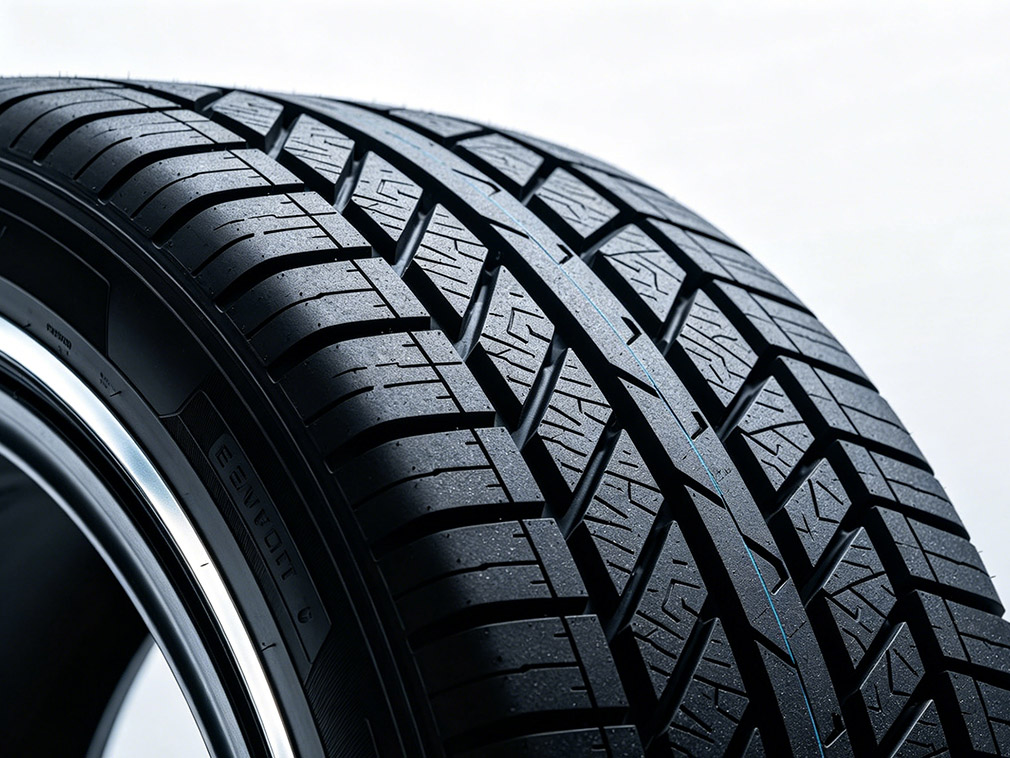
Simultaneously, the large-scale trial use of environmentally friendly materials such as recycled carbon black, bio-based fillers, and rice husk-derived silica continues to advance, contributing to the industry's green transformation and adapting to domestic "dual-carbon" policies and EU tire labeling regulations.
International leading brands, leveraging their long-term R&D accumulation, hold over 72% market share in the tire market for high-end new energy vehicles priced above 300,000 yuan. Domestic companies such as Zhongce, Linglong, and Sailun are accelerating the construction of dedicated production lines and deeply partnering with independent brand new energy vehicle manufacturers for customized development. In the OEM market for mainstream family cars priced around 150,000 yuan, the proportion of domestically produced EV tires has increased to 58.9%, further deepening the trend of domestic substitution.
The foreign trade market is becoming a new growth engine for EV tires. In the first four months of 2026, China exported 1.47 million new energy vehicles, a year-on-year increase of 69%. The export of complete vehicles simultaneously boosted the export of OEM tires, with exports of semi-steel radial tires steadily increasing.
Against the backdrop of increasingly stringent overseas carbon tariffs and environmental regulations, the proportion of foreign trade orders for low rolling resistance EV tires has been increasing year by year, forcing domestic factories to accelerate the upgrading of intelligent rubber mixing and fully digitalized quality inspection production lines, eliminating outdated and low-end production capacity.
Looking ahead, the new energy passenger vehicles that were concentratedly launched in 2022 and 2023 are gradually entering their first tire replacement cycle, and the EV tire replacement market is expected to see a concentrated surge in volume in 2026 and 2027.
With the mass production of cutting-edge technologies such as intelligent sensing tires and self-healing treads, industry competition will shift from price wars to a comprehensive competition based on material innovation, automaker OEM capabilities, and full lifecycle services. The long-term positive industry logic for passenger vehicle EV tires is now clear.




