
US CBS Anti-dumping Investigation 2026
Recently, the U.S. Department of Commerce officially initiated antidumping and countervailing duty investigations into N-cyclohexyl-2-benzothiazole sulfenamide (CBS) from China. The cases target products under relevant U.S. customs codes and were initiated in response to a complaint from Lanxess, a U.S. company.

It is noteworthy that this initiation comes only about two weeks after the U.S. International Trade Commission (USITC) accepted its anti-dumping and countervailing duty investigation applications related to rubber additives from China. This rapid series of investigations signals a continued tightening of U.S. import controls on Chinese rubber chemical products.
CBS is a core additive in the rubber industry. As a delayed vulcanization accelerator, it plays a crucial role in the production of rubber products such as tires, hoses, and belts. In the rubber processing, this product can precisely control the vulcanization reaction rhythm, effectively improving vulcanization efficiency, while optimizing the core physical properties of finished rubber products, such as tensile strength, abrasion resistance, and aging resistance.
It is a key raw material for ensuring the quality of high-end rubber products and stable production efficiency. With its stable performance and high adaptability, CBS is widely used in passenger car tires, engineering machinery rubber parts, industrial transmission belts, and many other fields, spanning the entire rubber product industry chain.
If this anti-dumping and countervailing duty investigation proceeds, it will directly impact domestic rubber additive manufacturers and the downstream tire manufacturing industry. my country is a core producer and exporter of rubber additives globally, with its CBS production capacity and output ranking among the world's top. Large quantities of its products are exported to North America, Europe, and Southeast Asia, with the United States being a significant overseas consumer market.
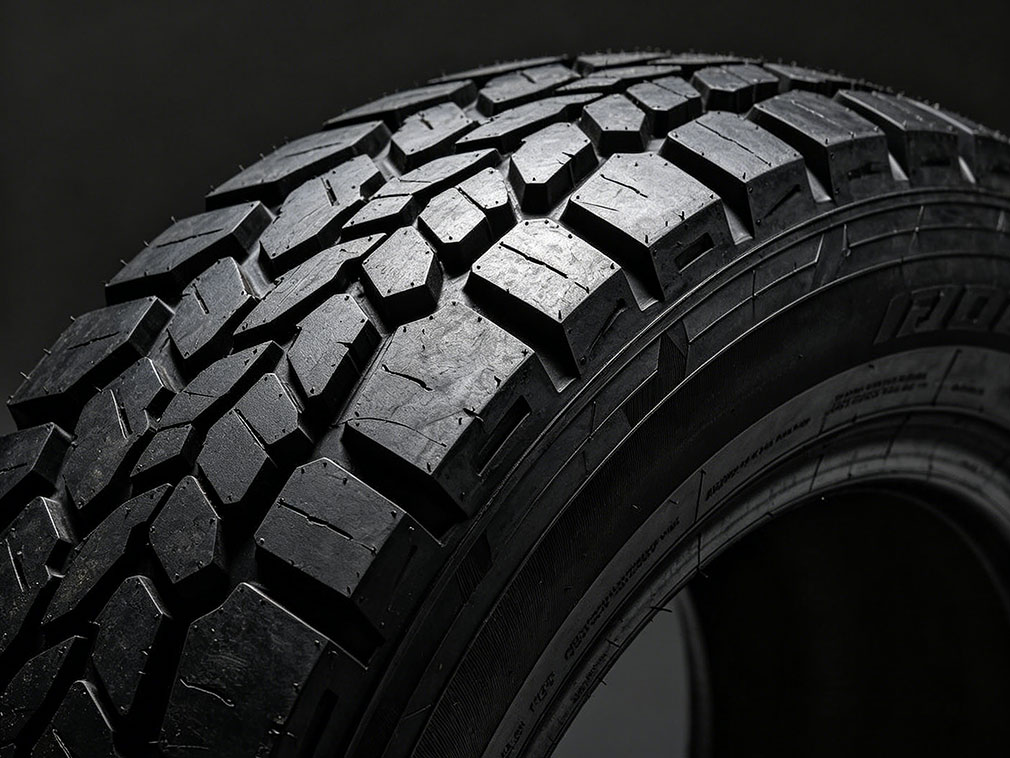
If the US ultimately decides to impose anti-dumping and countervailing duties, the export costs of domestic CBS manufacturers will rise sharply, significantly weakening their price advantage and likely leading to reduced orders and market share loss in the US market.
Simultaneously, domestic tire and rubber product export-oriented companies will also face problems such as production disruptions and increased costs due to restrictions on upstream additive exports and fluctuations in raw material allocation, dragging down their overall export competitiveness.
Furthermore, the negative impact of this trade investigation is not solely directed at Chinese companies; the downstream rubber manufacturing industry in the US will also suffer a significant impact. The global tire market is currently highly competitive, with continuously optimizing consumption patterns and increasingly fierce competition among overseas brands.
To cope with market competition and secure profit margins, US tire, hose, and belt manufacturers have long been sourcing high-quality, cost-effective CBS products from China. With its stable performance and outstanding cost-effectiveness, Chinese-made CBS has become a crucial support for downstream US companies to control production costs and enhance product market competitiveness.
For US manufacturers, once anti-dumping and countervailing duties are implemented, the cost of imported Chinese CBS will rise. Companies will have no choice but to passively accept rising raw material prices or turn to purchasing higher-priced alternatives from the US domestic market or Europe. Regardless of the choice, this will directly increase the overall production cost of rubber products and squeeze profit margins.
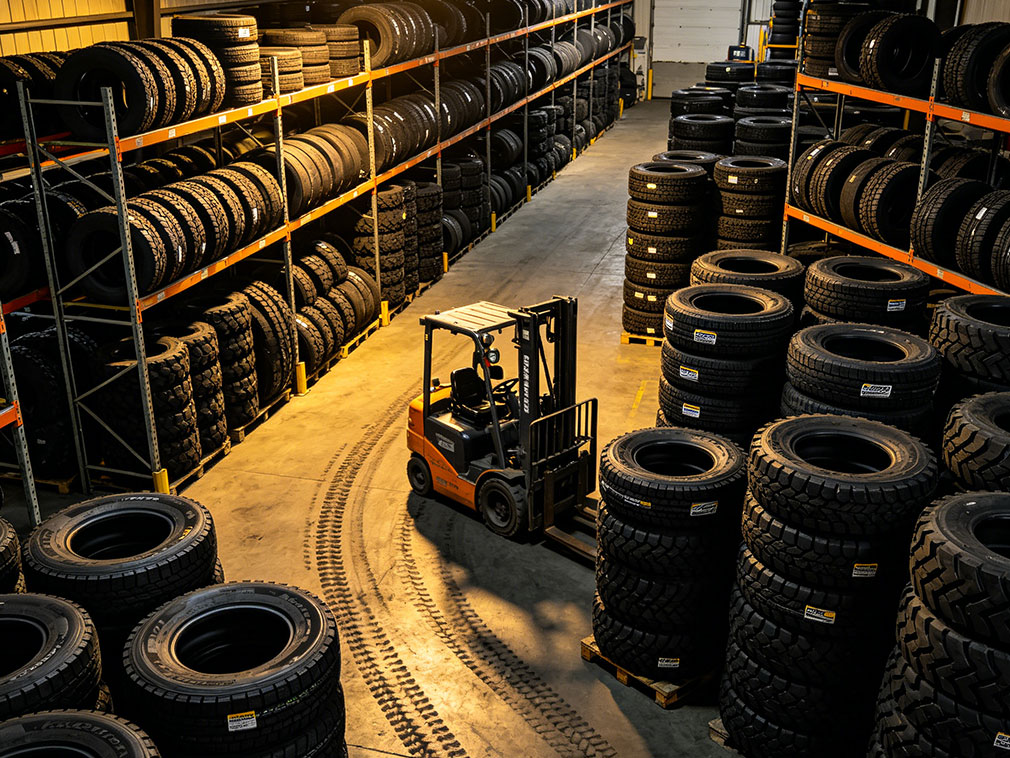
Amidst increasingly fierce competition for global tire market share, rising cost pressures will cause US domestic rubber product companies to lose their price advantage in competition with Asian products, affecting not only their own operating efficiency but also disrupting the stable operation of the US rubber manufacturing supply chain.
This anti-dumping and countervailing duty investigation fully demonstrates the two-way nature of international trade frictions. The establishment of trade barriers is not solely for the protection of domestic upstream industries; rather, it can trigger a chain reaction of cost pressures and development risks throughout the entire supply chain.




