
Heavy Truck Market Review in May 2026
The latest industry statistics show that my country's heavy-duty truck market maintained a steady upward trend in May 2026, demonstrating continued resilience. Wholesale sales of heavy-duty trucks in the domestic market reached approximately 103,000 units that month, including both exported vehicles and new energy vehicles.
Month-on-month, sales declined by 12% compared to April, influenced by factors such as the end of the spring peak season, a temporary drop in end-user demand, and automakers' moderate inventory adjustments. However, year-on-year growth continued, increasing by 16% compared to 89,000 units in the same period last year.
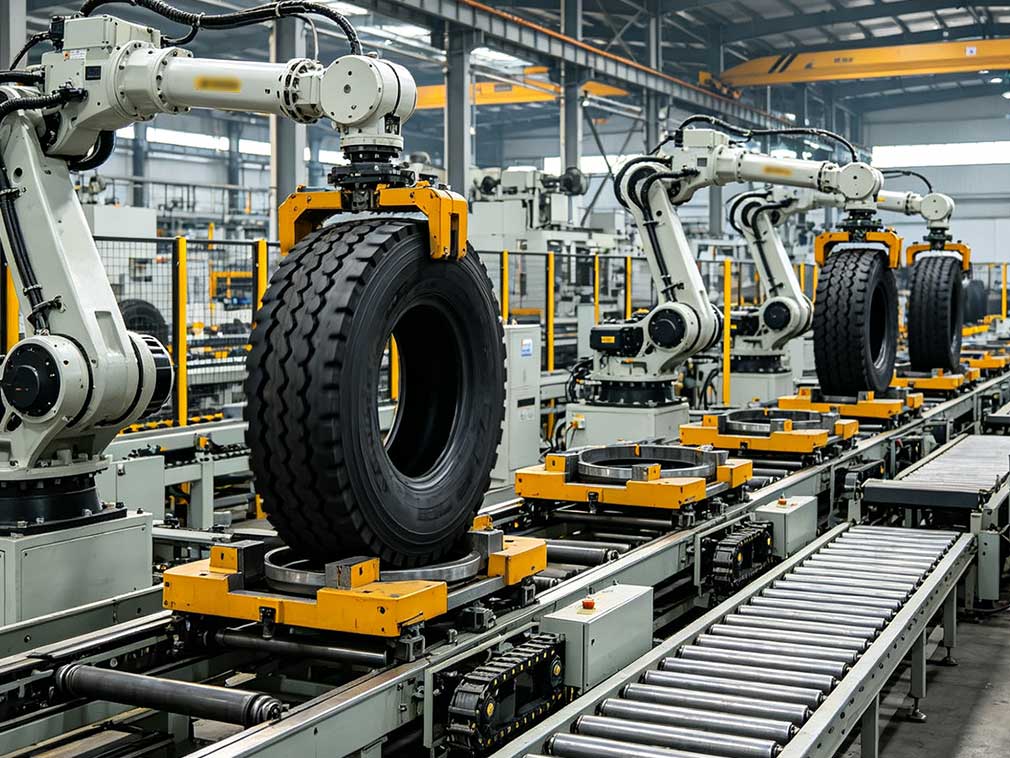
Although the year-on-year growth rate slowed compared to 25% in March and 33% in April, the growth momentum remained solid. Notably, this sales volume set a new high for May heavy-duty truck sales in the past five years, achieving a three-year consecutive increase in year-on-year monthly sales, further confirming the steady recovery of the domestic heavy-duty truck market.
From a cumulative market perspective, the domestic heavy-duty truck industry's cumulative sales from January to May 2026 reached approximately 538,000 units, a year-on-year increase of 22%, indicating a steady expansion in the industry's production and sales scale.
This round of market growth is mainly attributed to multiple favorable factors: Firstly, the continued implementation of domestic infrastructure projects and the steady recovery of the logistics and transportation industry have driven the simultaneous release of replacement and new demand for traditional fuel-powered heavy-duty trucks.
Secondly, the ongoing implementation of policies to phase out and replace old diesel trucks across various regions, coupled with the accelerated penetration of new energy heavy-duty trucks due to their adaptability to different scenarios, and increased export orders from overseas markets, have jointly supported the industry's continued growth.

Currently, the industry has formed a diversified development pattern of "improved fuel quality, accelerated new energy, and increased exports," and the market structure is undergoing profound adjustments.
Unlike the steady growth of the heavy-duty truck market, the supporting heavy-duty truck tire market has remained stable overall, with no significant breakthrough in total volume. The industry has entered a period of stable adjustment, but its internal product structure is undergoing significant changes, with opportunities and competition coexisting in niche segments.
With the rapid popularization of new energy heavy-duty trucks, dedicated tires adapted to new energy vehicle models have become a definite growth market, with demand continuing to rise. New energy heavy-duty trucks are heavier, have higher load-bearing capacity, and operate more frequently, placing higher demands on tire load-bearing capacity, wear resistance, and safety, driving the continuous acceleration of iterative upgrades of dedicated tires.
Meanwhile, low rolling resistance metric tires, with their core advantages of energy saving, reduced consumption, and suitability for long-haul logistics transportation, have become a key segment in the heavy-duty truck tire market and a crucial area for traditional tire companies' transformation.
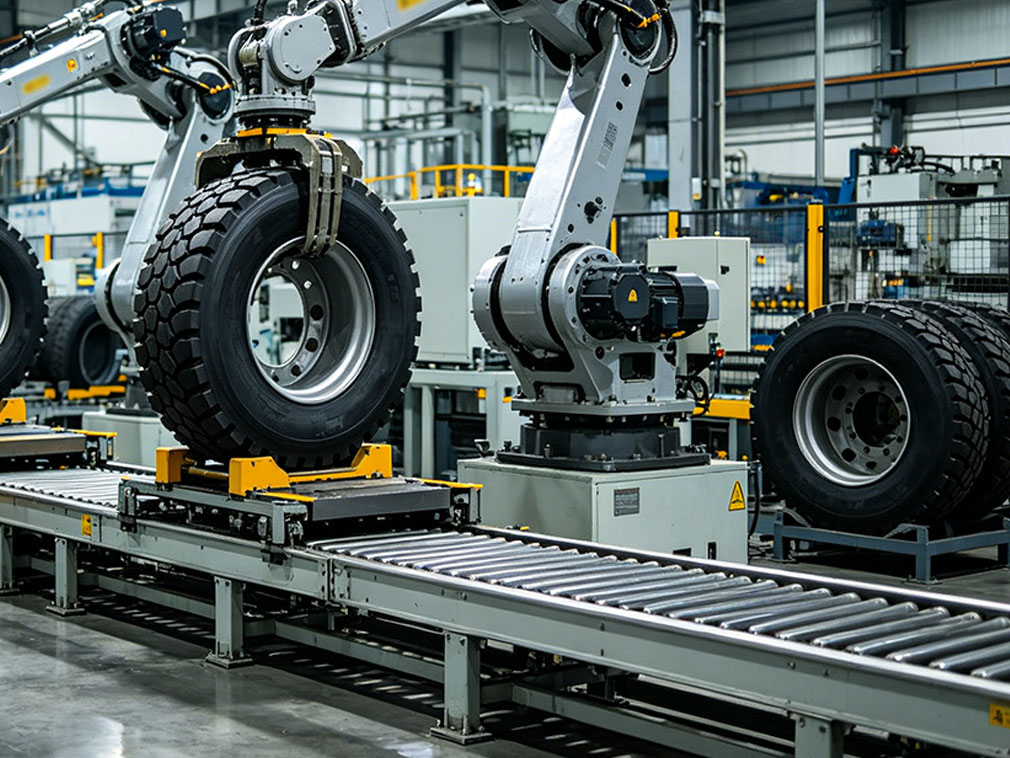
Against the backdrop of continued implementation of dual-carbon policies and the upgrading demands of logistics companies for cost reduction and efficiency improvement, low rolling resistance tires effectively reduce vehicle energy consumption, balancing the needs of fuel vehicle energy-saving retrofits with the range improvement requirements of new energy vehicles. Their market penetration rate continues to increase, gradually replacing traditional ordinary heavy-duty truck tires.
Currently, competition in the domestic heavy-duty truck tire industry is increasingly fierce, with domestic brands exhibiting significant homogenization, leading to a highly competitive environment. Most companies focus on the general-purpose heavy-duty truck tire segment, resulting in insufficient product differentiation, intensified price competition in the domestic market, and squeezed overall industry profit margins.
In this context, companies can focus on two core dimensions to achieve sustainable development: first, actively explore overseas markets, absorbing domestic production capacity through exports, leveraging overseas infrastructure and logistics development opportunities to broaden sales channels, and avoiding homogenized competition in the domestic market; second, meticulously manage production costs, reducing costs through technological upgrades, supply chain optimization, and large-scale production to improve product cost-effectiveness and profitability.
In the future, focusing on high-end niche markets such as new energy and low rolling resistance, cultivating overseas markets, and strictly controlling production costs will become the core paths for tire companies to break through industry bottlenecks and achieve high-quality development.




