
2026 NEV Tire Market Shift
Compared to traditional gasoline-powered vehicles, new energy vehicles (NEVs) exhibit significant differences in vehicle weight and power output characteristics. This directly alters tire wear patterns and lifespan, reshaping the domestic tire aftermarket landscape.
The tire replacement cycle for conventional gasoline-powered passenger cars is typically stable at 60,000 to 80,000 kilometers; however, NEVs, equipped with large-capacity batteries, have a curb weight 300 to 500 kilograms heavier than comparable gasoline-powered vehicles, significantly increasing the static pressure and dynamic load on tires.
Simultaneously, the drive motor can output peak torque at startup, providing direct and rapid power response, which easily accelerates tire tread wear and tire structure fatigue. Due to these combined factors, the tire replacement cycle for NEVs is significantly shortened to 30,000 to 50,000 kilometers. Some urban commuter vehicles with frequent rapid acceleration even require tire replacement before reaching 30,000 kilometers.
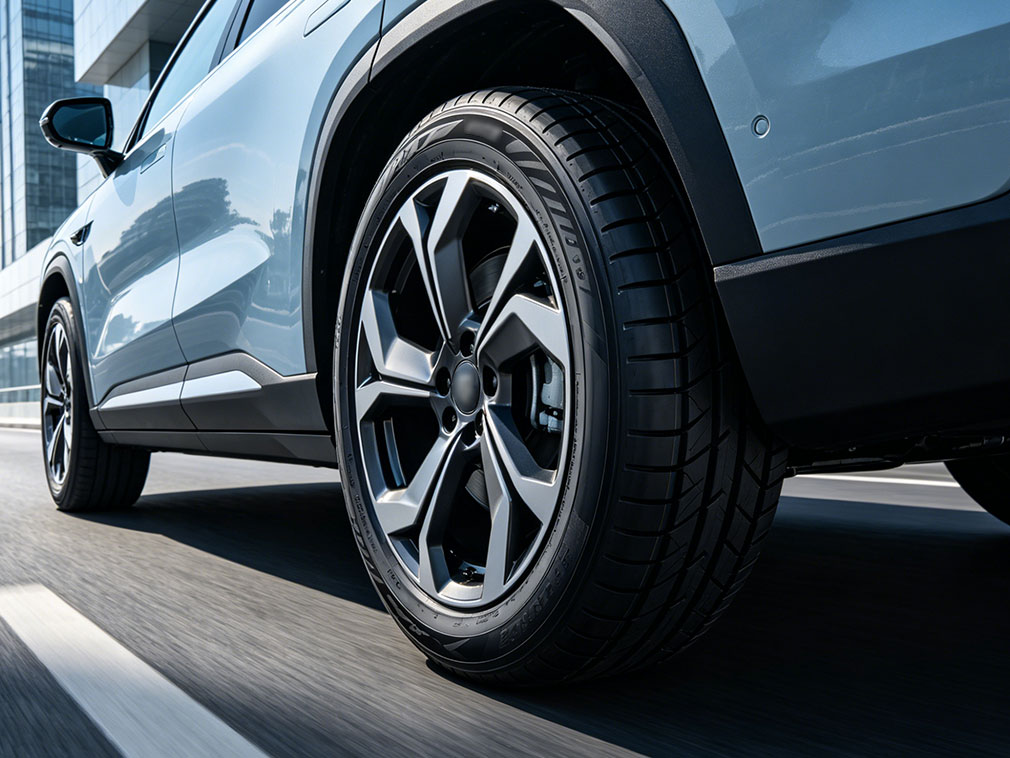
Entering 2026, the domestic NEV tire market reached a critical turning point, with pent-up replacement demand being released, ushering in a clear peak in tire replacement demand. The period from 2021 to 2023 witnessed explosive growth in sales of new energy vehicles in my country, with a large influx of new cars into the market. Based on the tire replacement cycle of 30,000 to 50,000 kilometers for new energy vehicles, these early-owned vehicles are now entering their first or even second tire replacement window, directly driving a rapid increase in demand for EV-specific replacement tires.
Compared to the new car original equipment market, the aftermarket replacement demand is more rigid, providing the tire industry with a definite growth space and effectively activating the vitality of the new energy tire sub-market.
Profound changes in market demand structure have driven a deep adjustment in the supply and demand pattern of the tire industry, with the market share of low-end civilian tires continuing to narrow. Ordinary civilian tires, previously designed for gasoline vehicles, generally suffer from insufficient carcass strength, high rolling resistance, and weak wear resistance, making them unsuitable for the high load and high torque conditions of new energy vehicles.
Even with lower prices, they are insufficient to truly meet the replacement requirements of new energy vehicle owners. As consumers' understanding of vehicle use continues to evolve, the traditional approach of solely pursuing low prices in tire selection is gradually changing. Tires that are safe, wear-resistant, have low rolling resistance, and are specifically designed for new energy vehicles are becoming the mainstream choice, continuously squeezing the market space for low-end, homogenized civilian tires.
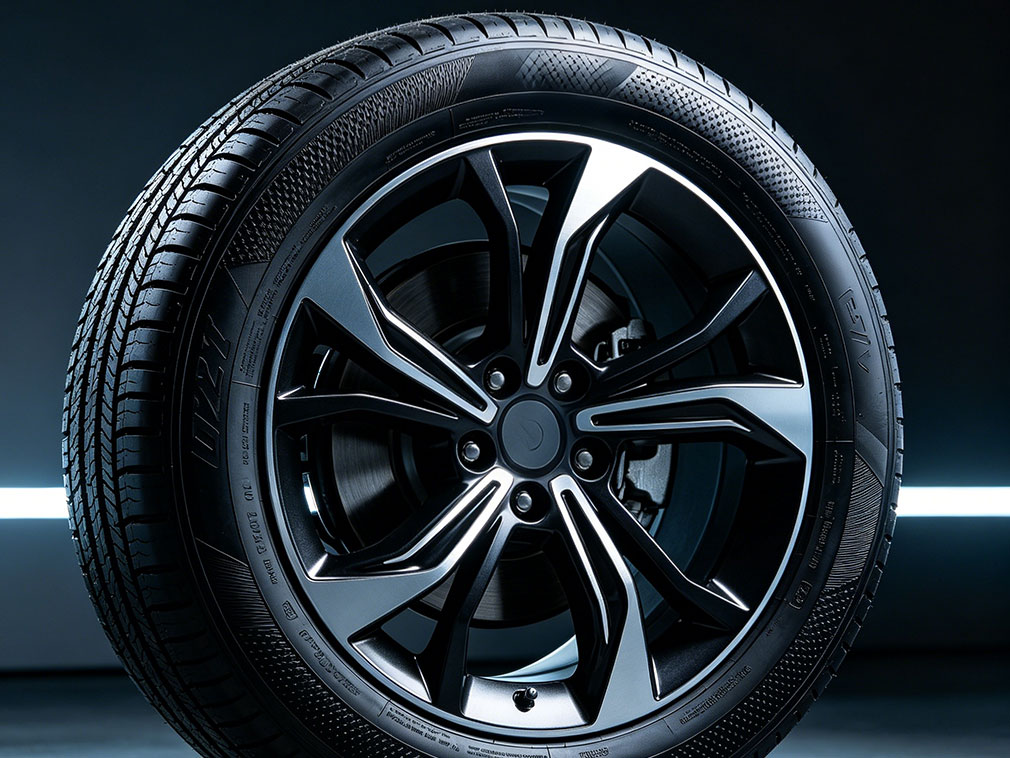
Against this backdrop, the domestic tire industry is accelerating its transformation towards high-end and specialized products, profoundly reshaping the industry's competitive logic. Leading tire companies are focusing on the new energy vehicle sector, abandoning the old path of repetitive expansion of low-end production capacity. They are leveraging new material formulations and structural optimization technologies to develop EV-specific tires.
Through strengthening the tire carcass structure, optimizing asymmetric tread patterns, and improving high-wear-resistant rubber compounds, they are enhancing tire load-bearing capacity and wear resistance while effectively reducing rolling resistance, balancing vehicle range and driving safety to meet the requirements of different levels of new energy vehicles.
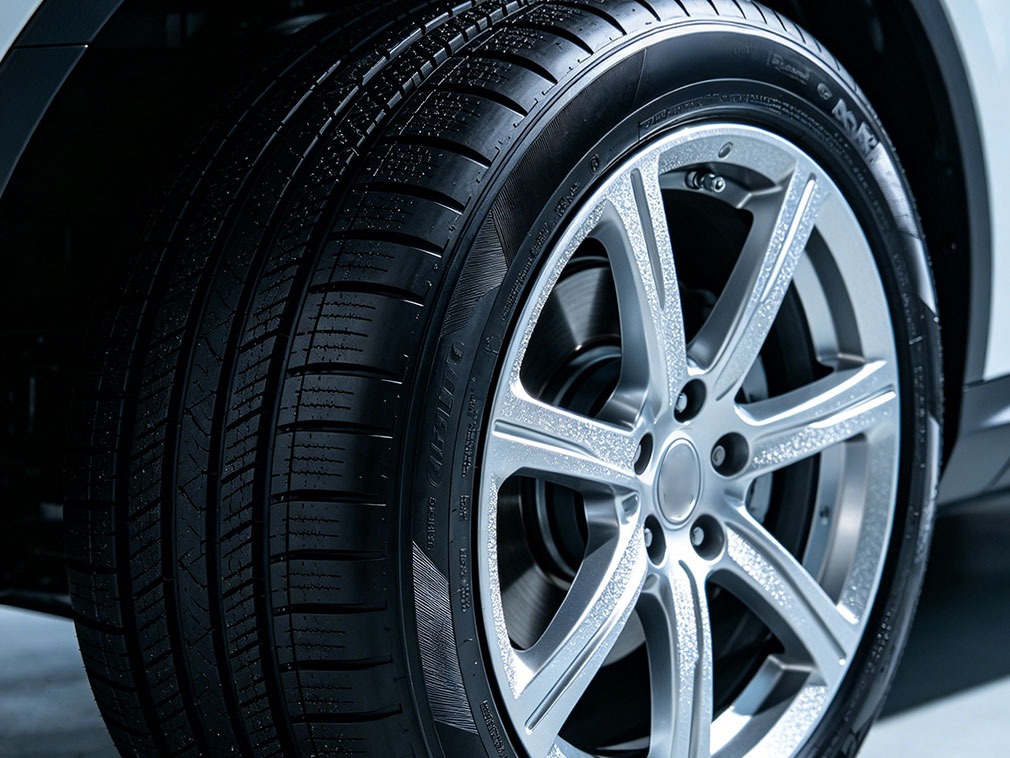
Currently, the new energy tire market has moved beyond simple price competition, shifting towards comprehensive competition based on technology, quality, and compatibility. The collaborative R&D between automakers and tire companies is becoming increasingly close, with joint tuning and customized development of dedicated tires occurring during the new vehicle development stage, driving the continuous upgrading of new energy tire products.
Overall, the structural opportunities for the domestic tire industry will become more prominent in 2026. Low-end and outdated production capacity will be gradually eliminated, while the production capacity of high-quality EV-specific tires will continue to be released, and the industry will officially enter a new stage of high-quality and professional iterative development.




