
Passenger Car Tire Recycling Surges
In the waste tire recycling sector, truck and bus tires have long dominated the market due to their large size, high rubber content, and high reusability, consistently commanding a higher recycling value and price than passenger car tires.
Previously, passenger car tires, due to their small size, thin rubber layer, and high impurity content, had limited reuse channels and extremely low recycling value, earning them the label of "black waste." At that time, most tire shops in China did not need to pay recyclers to dispose of passenger car tires; the recyclers often handled the removal free of charge. Shops not only failed to generate revenue from this process but also often had to bear the removal costs themselves.
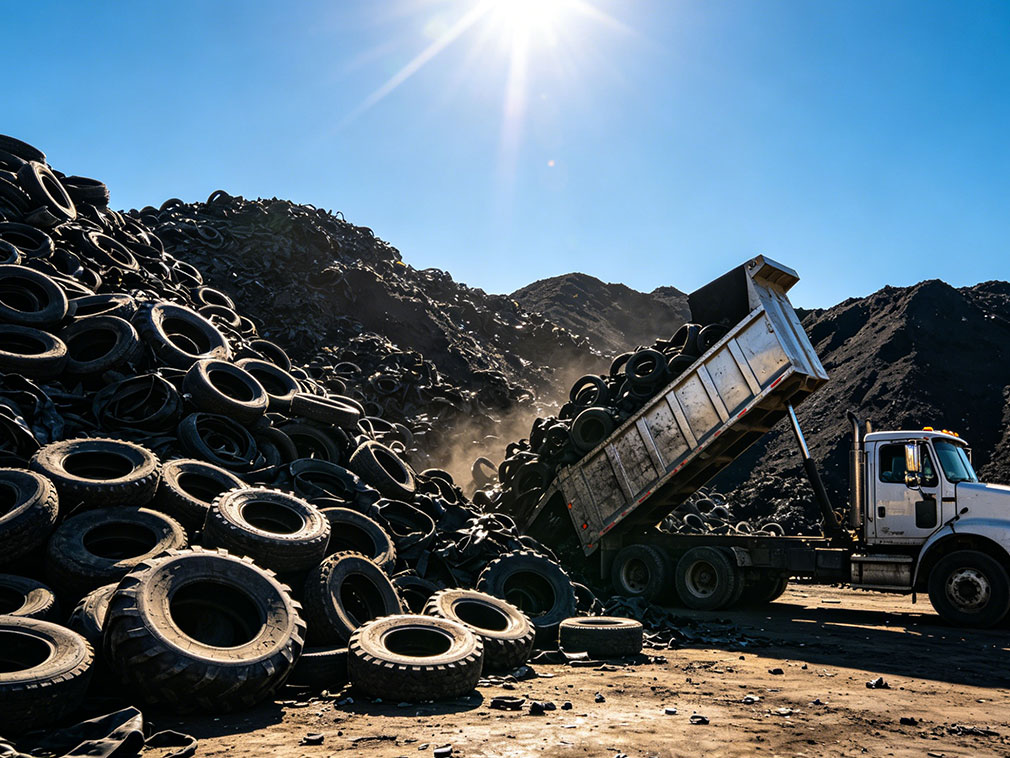
However, with the continuous upgrading of the domestic waste tire recycling industry, technological advancements and increased market demand have fundamentally reversed this situation. Previously neglected passenger car tires are now becoming a source of increased revenue for tire shops.
Currently, recycling prices in many regions are stabilizing, with tire shops in Shanghai offering approximately 3 yuan per tire and those in Beijing offering approximately 5 yuan per tire. While the profit per tire may seem meager, the sheer volume of replacements is gradually making it a stable source of profit for offline tire shops.
In the past two years, the national waste tire recycling market has seen a rapid price increase, with recycling prices in many regions rising multiple times. In some areas, the price per ton has exceeded 2,000 yuan, setting a new market high in recent years. Even as the price increase in the new tire market gradually slows and stabilizes, the price increase of waste tires remains strong, showing no signs of decline.
The fundamental reason for this lies in the maturing of the waste tire deep processing industry chain, which has significantly increased the profit margin in the recycling stage, enough to cover the continuously rising recycling costs, resulting in considerable overall profitability for the industry.
Traditional waste tire processing mainly involves retreading, producing recycled rubber, and laying plastic running tracks. These processes are relatively simple, with low added value and limited profit margins. However, the increasingly widespread pyrolysis technology fully releases the potential value of waste tires, maximizing resource utilization.
After high-temperature pyrolysis, waste tires can be separated into three core products: pyrolysis oil, carbon black, and waste steel wire. All three products closely meet essential industrial needs and have stable market demand. Pyrolysis oil can replace traditional diesel and fuel oil, and is widely used in industrial combustion and machinery power applications. Against the backdrop of fluctuating and rising international crude oil prices, the cost-effectiveness advantage of pyrolysis oil continues to stand out, and market demand is steadily increasing.
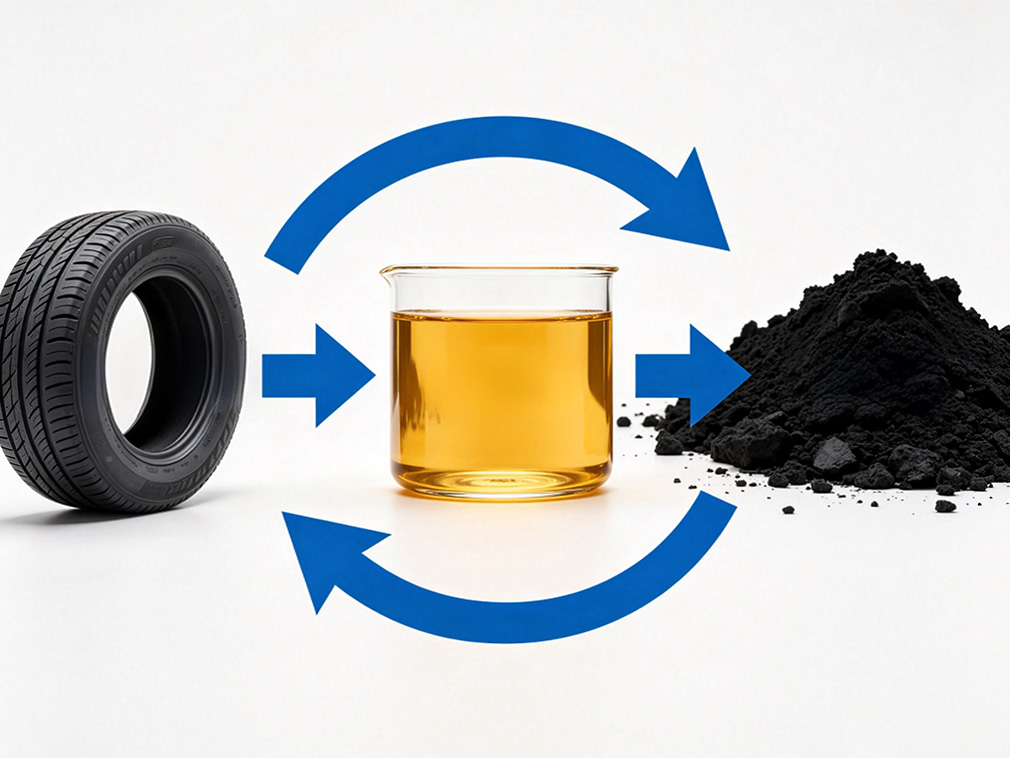
Carbon black is a core category driving industry profits. Recently, domestic carbon black market prices have remained high, with a tight supply-demand situation. The recycled carbon black produced by pyrolysis can be directly used in rubber products and rubber and plastics processing industries, with production costs far lower than virgin carbon black, bringing substantial profits to processing companies.
Industry data shows that even with waste tire recycling prices reaching a high of 1600 yuan per ton, crude refining can still achieve a net profit of over 100 yuan per ton. If a refined pyrolysis process is adopted, relying on the output of high-value carbon black, the overall profit margin will further expand.
In addition to technological empowerment, supply-demand imbalances and policy support are also continuously driving up prices. Currently, China's car ownership is steadily increasing, and the volume of passenger car tire replacements continues to rise. However, standardized recycling channels are limited, front-end recycling resources are scattered, and large-scale processing enterprises have a strong demand for raw materials, creating a market situation of supply falling short of demand.

At the same time, under the industrial guidance of green, low-carbon, and resource recycling, waste tire recycling projects have received policy support, attracting a large number of companies to enter the market, further increasing the demand for raw materials. With multiple favorable factors combined, the resource attributes of waste tires are fully demonstrated, the market has strong upward momentum, and the industry's high prosperity trend is expected to continue.




