
Dominant Tire Sizes in Market
With the continuous iteration of automotive technology and the constant upgrading of vehicle configurations, tire specifications are also evolving in tandem, increasingly precisely matching passenger vehicles of different levels and positioning.
According to incomplete industry statistics, there are currently over 900 tire specifications circulating in the domestic passenger vehicle market, comprehensively covering various vehicle types from microcars to mid-to-large SUVs.
Tire and wheel sizes are also showing a continuous upgrading trend: the previously mainstream 12, 13, and 14-inch small-size tires were mostly used in older microcars, and now only a few entry-level models continue to use them; 16- to 22-inch medium and large-size tires have gradually become the market mainstream. The iterative changes in tire specifications directly reflect the development process of domestic automobile consumption upgrading and the continuous improvement of vehicle quality.
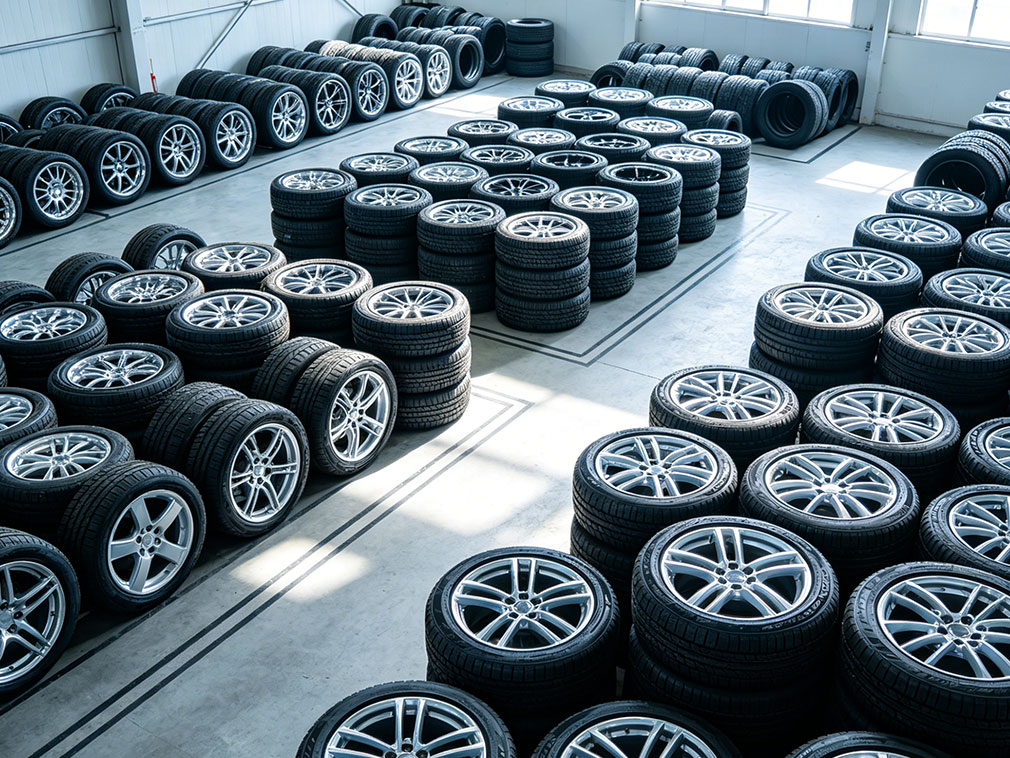
Among the many tire specifications, 205/55R16 is a classic and long-selling specification recognized in the industry. It has maintained a leading sales position among original equipment tires for many years, consistently holding a significant share of the original equipment tire market, making it a mainstream size that combines adaptability and versatility. The core reason for the continued market favor of this tire specification lies in its balanced and comprehensive adaptability, primarily used in mainstream compact family sedans, a segment with a large user base and high market share.
Simultaneously, this tire specification balances comfort, fuel economy, and handling stability, making it suitable for diverse driving scenarios such as daily urban commuting and long-distance travel, with overall performance meeting the needs of ordinary families. Years of market experience have resulted in a mature supply chain and high parts compatibility, ensuring its dominant position among original equipment tire specifications.
215/55R17 is also a highly popular mainstream specification, a common original equipment size for economical and practical family cars, emphasizing its high cost-performance ratio and widespread use in various best-selling compact and entry-level mid-size passenger vehicles.
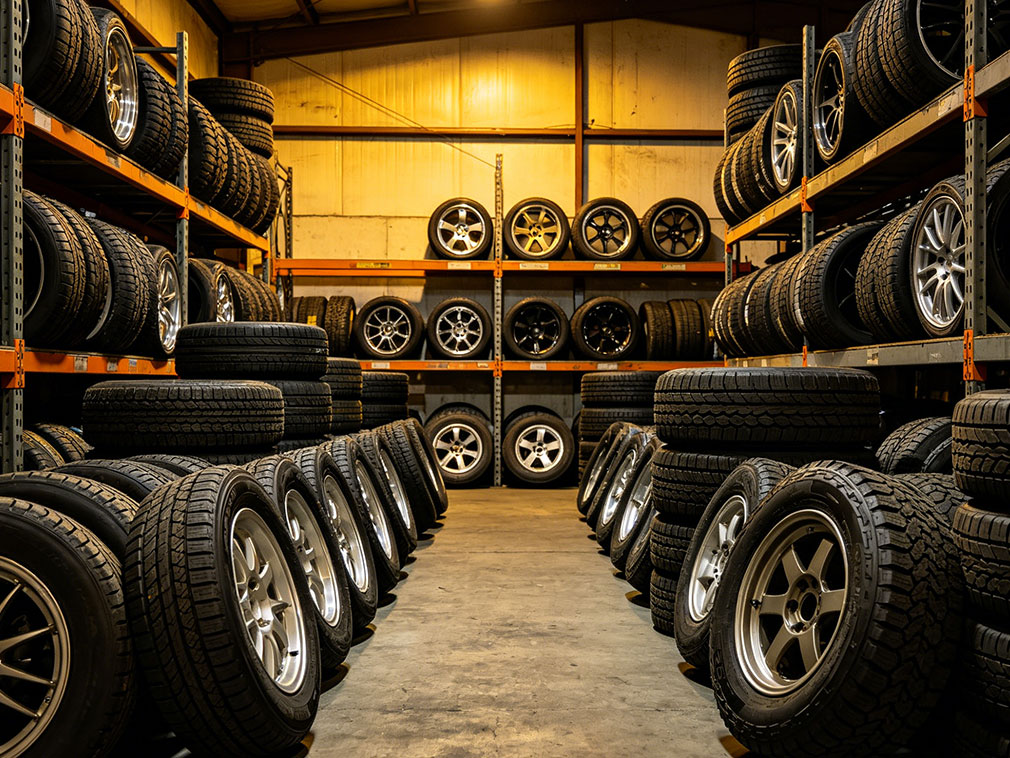
Statistical data from the past five years shows that this specification has consistently ranked second among original equipment tire specifications, never falling below the top, demonstrating extremely strong market stability. Multi-year data shows that the gap between its original equipment sales and the top-ranked specification has been continuously narrowing, with some years showing minimal sales differences, highlighting its significant market competitiveness.
From a market development perspective, the adoption of larger tire sizes for automobiles has accelerated in recent years. The market share of 16-inch tires has seen a slight, gradual decline, while the share of 17-inch tires has maintained steady growth. Driven by this, the market penetration rate of 215/55R17 tires continues to expand.
Compared to 205/55R16, this tire size has a wider tread and larger rim size, resulting in a wider contact patch. This provides vehicles with superior driving stability and grip, while also considering the fuel efficiency of family cars, perfectly meeting the diverse needs of today's consumers for safety, comfort, and economy in family vehicles.

With stable installation volumes and a steadily increasing number of vehicles on the road, 215/55R17 has accumulated a large existing vehicle base and has become an important demand specification for offline tire retailers.
Compared to niche tire sizes, this specification has ample supply, moderate replacement costs, and convenient after-sales support. It is not only a priority choice for mass-produced models by automakers, but also a best-selling specification in the tire retail and maintenance market, occupying a key position in the civilian tire market.
-
National Day Highway Charging Hits Record: +60.4% YoY(Oct 8)8264
-
New Energy Vehicle Exports Accelerate: 3.435 Million Units in First 8 Months, Up 120% Year-on-Year(Oct 8)8882
-
Chinese Tire Exports: Volume Up But Revenue Down Nearly RMB 900 Per Ton(Oct 8)5408
-
CNH Industrial: Smart Farming, NE and Local Tech(Sep 30)5575
-
CNHTC Drives Surging NE Heavy Truck Exports(Sep 30)8500




