Asymmetric Tire Tread Design: Enhancing Grip
Among the many factors in upgrading automotive performance, tires, as the only core component in contact with the ground, directly determine a vehicle's handling limits, driving safety, and ride comfort through their design. Asymmetrical tire tread design, with its precise adaptation to different driving scenarios, has become a preferred configuration for sports sedans and high-performance models.
Its core advantage lies in simultaneously enhancing cornering grip and reducing driving noise through differentiated tread structures. Combined with the synergistic design of three-dimensional tread grooves and robust tire blocks, it provides comprehensive performance support for high-performance driving.
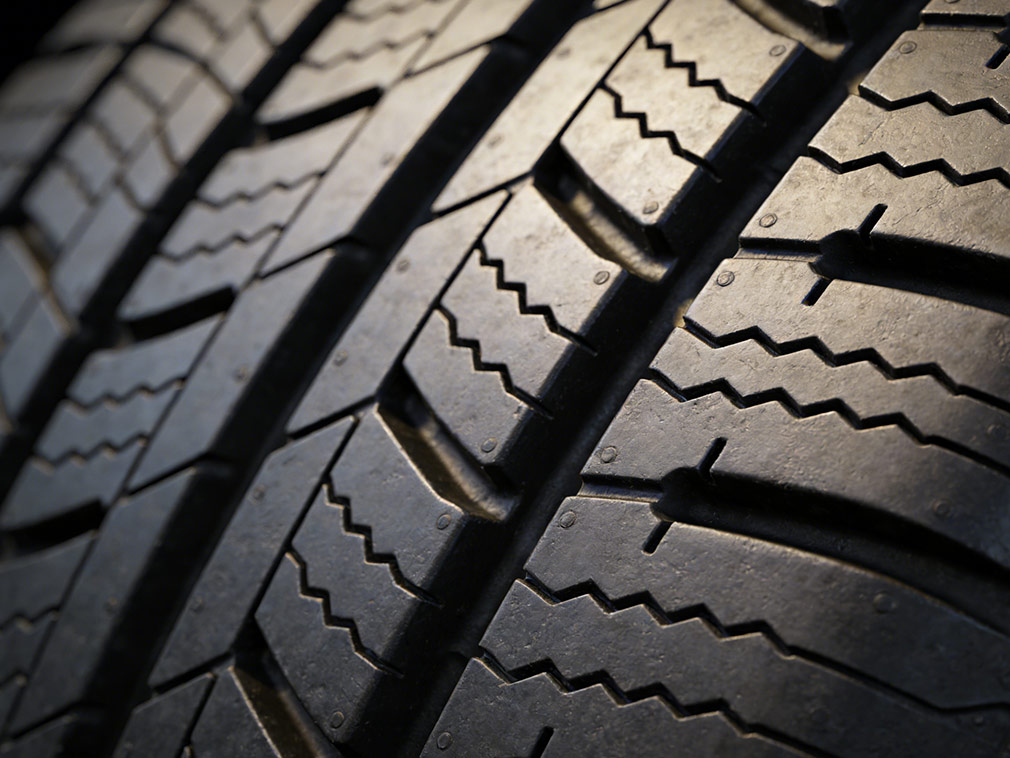
The core logic of asymmetrical tire tread design is to break away from the balanced layout of traditional symmetrical treads. It involves differentiated tread pattern planning based on the stress characteristics and functional requirements of different areas of the tire tread during vehicle driving.
During cornering, the outer side of the tire tread needs to withstand the enormous lateral pressure from vehicle roll, making it the core area providing cornering grip, while the inner side of the tread focuses more on water drainage and assisting steering stability.
Based on this requirement, the outer side of an asymmetrical tire tread typically uses a wider continuous block design, with narrower and sparser grooves between the blocks. This structure effectively increases the contact area between the outer tread and the ground, reducing the deformation of the tire blocks.
This results in stronger grip during cornering, preventing risks of sideslip, fishtailing, and other loss of control. It allows drivers to control the vehicle more precisely during cornering, providing an ultimate driving experience.
Regarding noise reduction, the asymmetrical tread design disperses and cancels noise through differentiated tread pattern arrangements. With traditional symmetrical treads, the sound waves generated when the tire blocks contact the ground resonate, amplifying the noise and transmitting it into the vehicle.
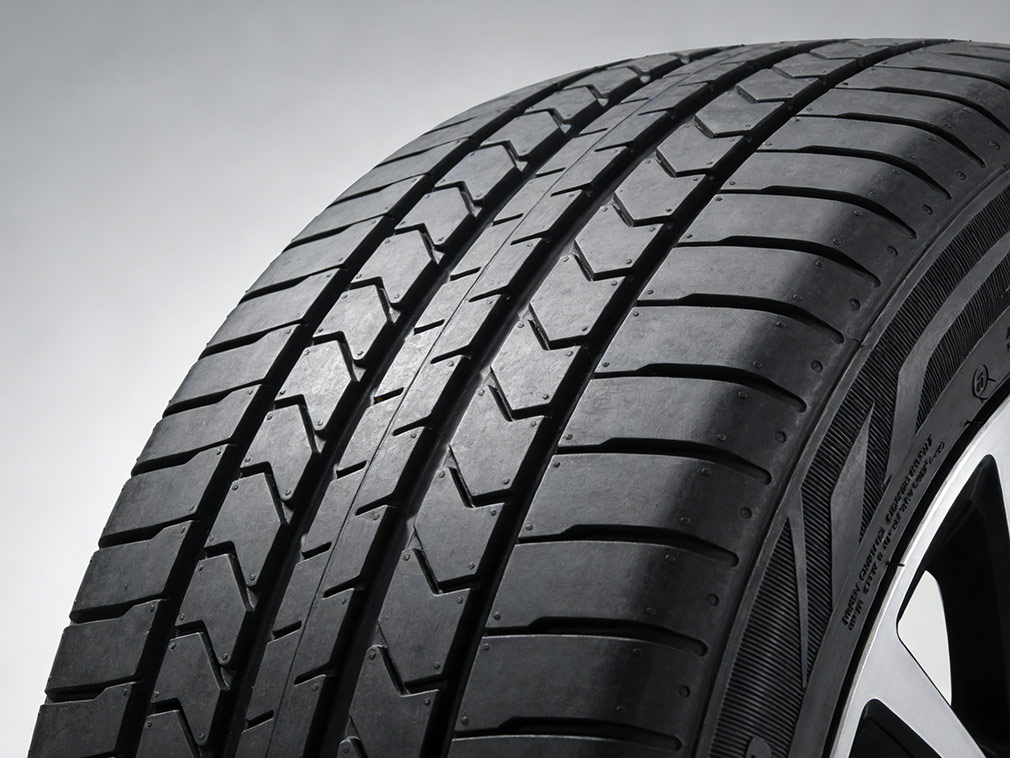
Asymmetrical treads, by optimizing the tread density, groove shape, and arrangement angle of the two sides, create a difference in the frequency of contact between the tire blocks and the ground. When sound waves are generated, noises of different frequencies interfere with and cancel each other out, thus reducing the overall noise level.
Meanwhile, the inner tread typically employs a denser combination of fine tread patterns and wide grooves. This structure not only doesn't affect steering assist but also further reduces wind noise generated by airflow, allowing high-performance vehicles to maintain a relatively quiet driving environment at high speeds, balancing sporty performance and comfort.
The addition of three-dimensional tread grooves further enhances the tire's adaptability to wet and slippery roads, solving the problem of insufficient traction in high-performance vehicles under adverse weather conditions. Traditional flat grooves have limited drainage capacity; in rainy weather, a water film easily forms between the tire tread and the ground, causing the tire to lose grip and resulting in hydroplaning.
Three-dimensional tread grooves, through their three-dimensional structural design, create multi-dimensional drainage channels, not only quickly draining water between the tire tread and the ground but also enhancing friction with the road surface through the texture of the groove walls.
Furthermore, the serrated edges of the three-dimensional grooves allow them to cut into the thin film of water on slippery surfaces with minimal water accumulation, directly contacting the ground and further enhancing traction and braking stability on wet roads. This ensures high-performance vehicles maintain stable driving performance even in rainy conditions.
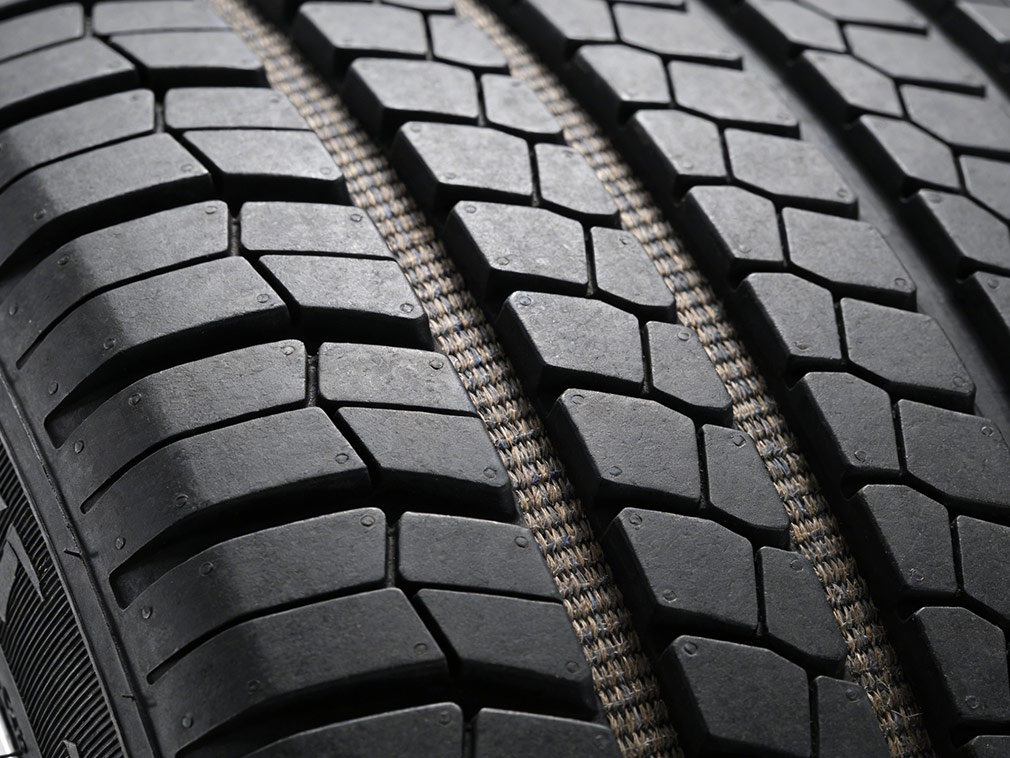
The robust tread block design is crucial for precise handling, especially suited to the power output characteristics of sports sedans and high-performance vehicles. High-performance vehicles typically feature large-displacement engines, resulting in greater torque output during acceleration and stronger braking force, which places higher demands on the structural strength of the tread blocks.
The robust tread blocks within the asymmetrical tread pattern utilize high-rigidity rubber material and a one-piece molding process, with high-strength fiber reinforcement layers added internally to effectively resist tread block deformation caused by driving forces during acceleration and braking forces.
When driving in a straight line, the robust tread blocks maintain a stable contact patch, ensuring efficient power transmission and preventing power loss due to tread block slippage. In cornering and emergency braking scenarios, the high rigidity of the tread blocks guarantees timely steering response and precise braking, allowing the driver to clearly perceive road feedback and achieve precise vehicle control.
It is this synergistic effect of these core designs that makes asymmetrical tread tires an ideal choice for sports sedans and high-performance vehicles. For sports sedans that pursue ultimate handling, which often travel on winding urban expressways and mountain roads, the strong cornering grip of asymmetrical treads allows the vehicle to maintain a stable posture in corners and accurately cope with complex road conditions.
High-performance vehicles often possess powerful output and excellent braking performance. The combination of robust tread blocks and three-dimensional tread grooves not only matches their power transmission needs but also ensures safety in extreme scenarios such as high-speed driving, rapid acceleration, and emergency braking.
Furthermore, compared to traditional tires, asymmetrical tread tires effectively reduce road noise while maintaining sporty performance, solving the problem of excessive noise commonly found in high-performance vehicles and improving ride comfort.
As the automotive industry moves towards high performance and intelligent technology, tire design innovation has become a key element in improving overall vehicle performance. Asymmetrical tread design, with its precise adaptation to driving scenarios and comprehensive fulfillment of performance requirements, redefines the core standards of high-performance tires.
Whether you're a sporty sedan owner seeking driving pleasure or a high-performance vehicle user with stringent performance demands, asymmetrical tread tires, with their unique design advantages, provide stable, safe, and comfortable driving for every journey, making high-performance driving no longer confined to professional racetracks but integrated into every moment of everyday driving.
-
National Day Highway Charging Hits Record: +60.4% YoY(Oct 8)8273
-
New Energy Vehicle Exports Accelerate: 3.435 Million Units in First 8 Months, Up 120% Year-on-Year(Oct 8)8891
-
Chinese Tire Exports: Volume Up But Revenue Down Nearly RMB 900 Per Ton(Oct 8)5414
-
CNH Industrial: Smart Farming, NE and Local Tech(Sep 30)5590
-
CNHTC Drives Surging NE Heavy Truck Exports(Sep 30)8509