
Sailun Launches New Commercial Vehicle Tires
On January 5, 2026, the Sailun Group 2026 Commercial Vehicle Tire New Product Launch Conference, themed "A New Journey, Driving the Future," was grandly held in Kunming, Yunnan. Experts and scholars from the global commercial vehicle industry, representatives from logistics companies, dealers, and media gathered to witness the comprehensive debut of the new generation of commercial vehicle tire products.
This launch conference featured several new products, including a dedicated series for new energy trucks and EV buses, a new technology series of tubed tires for heavy-duty transport, the SR135 series for general freight and long-haul transport, the SR195 series for car transport, and the SR330 series for heavy-duty transport.
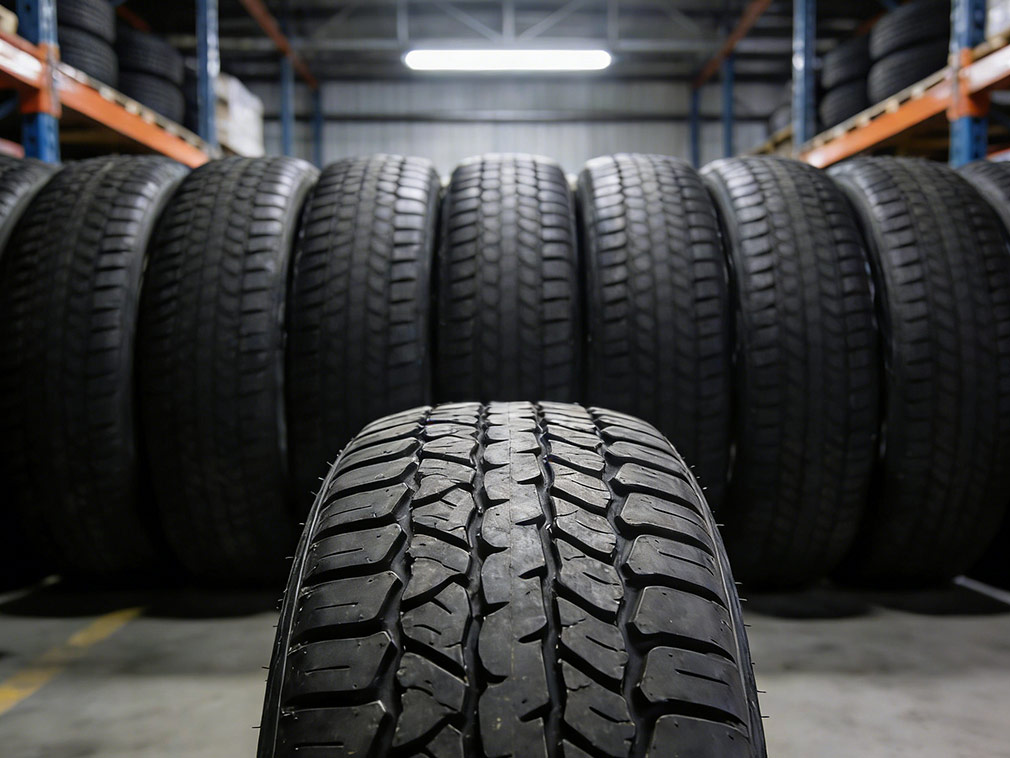
These products comprehensively cover core operating scenarios such as new energy, heavy-duty, long-haul logistics, and special transportation, providing the global commercial vehicle sector with more suitable and reliable all-scenario solutions, fully demonstrating Sailun Group's profound technological accumulation and continuous innovation capabilities.
Currently, the global transportation sector is accelerating its transformation towards green and low-carbon development, with the penetration rate of new energy commercial vehicles continuously increasing. The changes in power sources and drive technologies are placing more stringent demands on tire performance. Compared to traditional fuel-powered vehicles, new energy commercial vehicles, equipped with large-capacity batteries, experience a significant increase in weight. The high torque output of the electric motor also exerts a stronger impact on the drive wheels.
Coupled with the frequent intervention of energy recovery systems and changes in the vehicle's center of gravity, they generally face common industry challenges such as accelerated drive wheel wear, abnormal tread wear, and increased risk of uneven wear. These factors have become key factors affecting the efficient operation of new energy commercial vehicles.
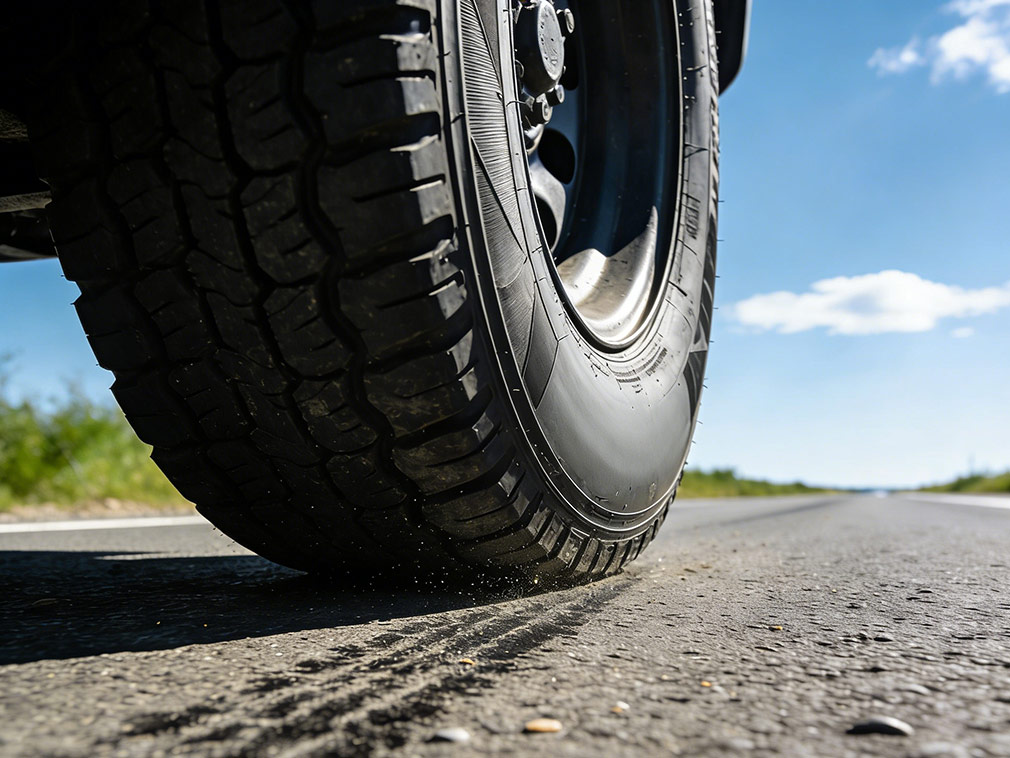
Furthermore, regardless of whether it's a new energy or traditional fuel-powered commercial vehicle, under complex operating conditions such as heavy loads, long distances, and large-item transportation, the requirements for tire load-bearing capacity, wear resistance, and fault resistance are increasingly demanding. Tires have become one of the core components determining vehicle operating efficiency, safety, and overall cost.
Closely addressing industry needs and user pain points, Sailun Group, relying on its third-generation technology platform built upon over twenty years of R&D accumulation, has achieved three core technological breakthroughs in its new energy truck and EV bus series. In terms of materials, this series utilizes nano-level new materials and a high-cohesive three-dimensional network formula.
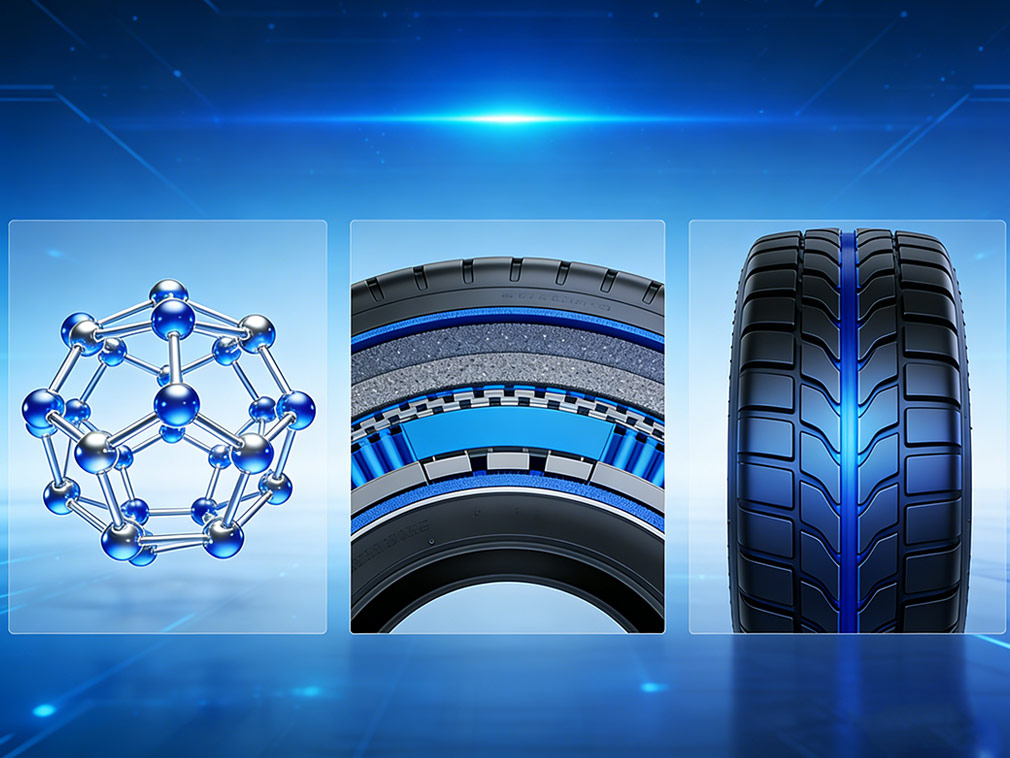
Through molecular-level optimization, it significantly enhances the rubber's resistance to torsion and tearing, effectively resisting the damage to the rubber structure caused by high torque and extending tire life. Real-world testing data shows that its wear resistance is improved by over 30%, better adapting to the frequent start-stop and high-load driving characteristics of new energy commercial vehicles.
In terms of structural design, the product uses ultra-high-strength skeleton materials, combined with Sailun's independently developed GENtyre structural design system and AI algorithms for comprehensive optimization. Through mechanical simulation and parameter iteration of key components such as the tire carcass, bead, and crown, the tire's load-bearing capacity and driving stability are significantly improved, easily addressing the challenges brought by the increased weight of new energy vehicles.
Addressing the wear issues caused by energy recovery and the risk of uneven wear due to a raised center of gravity, this series adopts a dedicated asymmetrical tread pattern design and anti-uneven wear structure optimization. By scientifically distributing tread blocks and balancing ground pressure, it reduces excessive localized wear and strengthens shoulder support, suppressing uneven wear and reducing the probability of abnormal wear by more than 50%.
In addition, other new products also precisely target specific scenarios: the heavy-duty inner tube series achieves high wear resistance, high load-bearing capacity, and low failure rate through enhanced skeleton materials, optimized formula, and stress structure, making it particularly suitable for short-to-medium distance heavy-duty conditions such as slag and gravel transport, the general cargo medium-to-long-distance SR135 series focuses on long-term operation, reducing fuel and energy consumption with a low rolling resistance formula and tread design, helping logistics companies improve efficiency and effectiveness; the car carrier SR195 series and the oversized cargo transport SR330 series respectively enhance tread fit and overall structural strength, ensuring smooth and safe special transportation.
To verify product reliability, the entire new product series underwent 12 months of field road testing in 14 provinces, autonomous regions, and municipalities across the country, covering various complex road conditions and environments such as plateaus, mountains, extreme cold, and high temperatures, using real data to demonstrate its stable performance in various scenarios.
At the launch event, many truck drivers and logistics company representatives from across the country shared their user experiences through videos, highly praising the product's wear resistance, driving stability, and low failure rate.
The launch of this full-fledged new product lineup not only showcases Sailun Group's technological innovation but also actively responds to the demands of the commercial vehicle industry for green transformation and efficient operation. Looking ahead, Sailun Group will continue to be driven by technology, deeply cultivate the global commercial vehicle tire market, continuously improve its product portfolio and enhance service experience, contributing even more to the high-quality development of the global transportation industry.
-
Foreign Media Visits Yimin Open-Pit Mine: 100 Autonomous 90-Ton Trucks in Operation(Oct 9)8222
-
IRSG: Natural Rubber Prices Hit Multi-Year Highs, Short-Term Correction Pressure Expected(Oct 9)8621
-
Used Car Exports Enter a Trust-Based Phase: Over 450,000 Units in First 8 Months(Oct 9)5384
-
National Day Highway Charging Hits Record: +60.4% YoY(Oct 8)8283
-
New Energy Vehicle Exports Accelerate: 3.435 Million Units in First 8 Months, Up 120% Year-on-Year(Oct 8)8907




