
Asymmetrical Tire Tread Design: Balancing Safety
The current mainstream asymmetrical tread pattern design in the tire industry doesn't simply pursue visual appeal; its core principle is to balance functionality and aesthetics, and it's also the mainstream design direction for tires fitted to mid-to-high-end passenger vehicles.
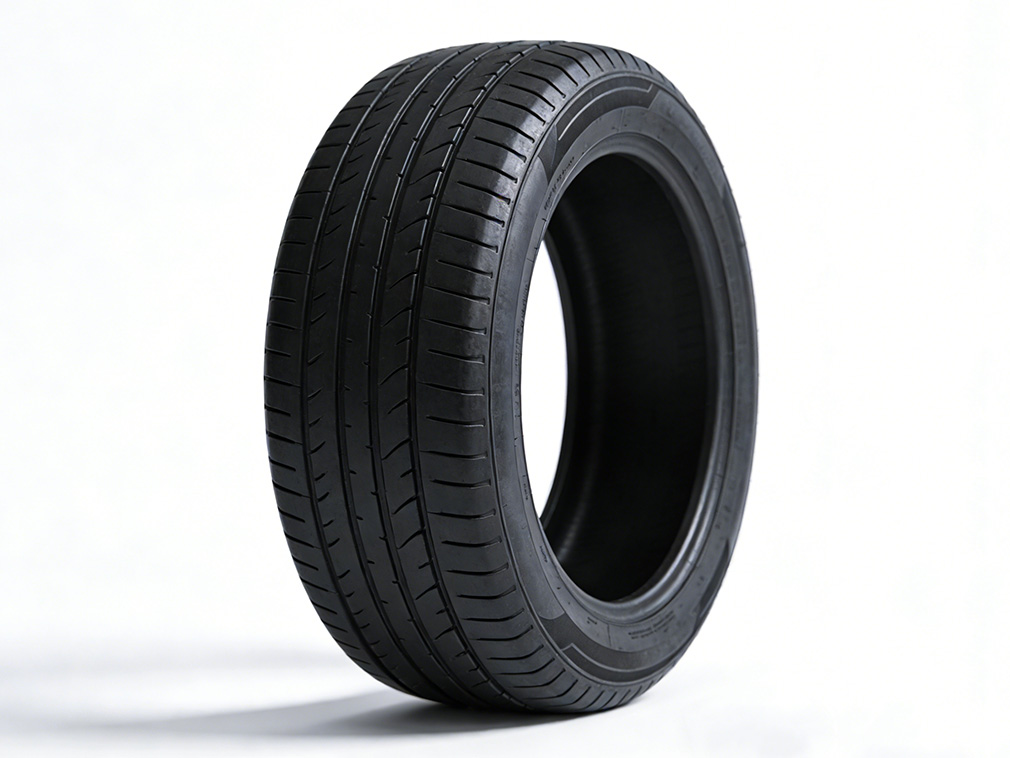
The tread pattern features smooth lines and an exquisite design, devoid of ostentatious decoration, integrating practicality into the details. The small grooves on the tread are neatly arranged, with uniform spacing and consistent depth, ensuring both a harmonious and aesthetically pleasing pattern and increasing the tire's contact area with the ground. This improves grip while dissipating friction noise, achieving a harmonious unity between visual appeal and practicality.
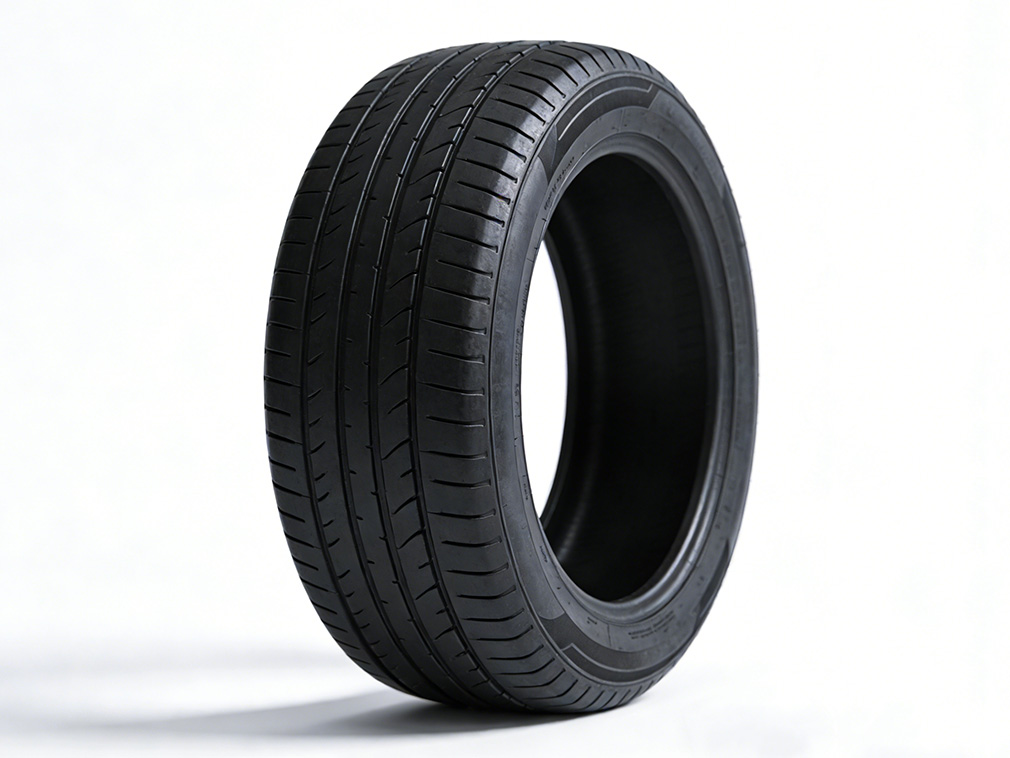
The wide main drainage groove running through the entire tire tread is a key design highlight for wet driving safety. With a moderate width and sufficient depth, typically exceeding the industry standard of 8mm, this longitudinal design creates an efficient drainage channel. In rainy weather, it quickly drains water between the tire and the ground, effectively reducing hydroplaning and improving stability and safety during rainy driving.
This wide, longitudinal drainage groove, combined with regularly arranged smaller auxiliary grooves, forms a complete drainage system. It ensures efficient drainage without excessively weakening tread rigidity, allowing the tire to maintain good grip on dry roads, highlighting the professionalism and rationality of the design.
The tire shoulder features a smooth transition design, unlike the rigid right-angled shoulders of traditional tires. This design not only makes the overall tire shape fuller and more regular, avoiding a rigid look, but also embodies practical performance considerations. The smooth shoulder reduces friction between the tire shoulder and the air during driving, thus reducing wind noise.

It also effectively reduces uneven wear on the tire shoulder during cornering and hard braking, extending tire life and truly demonstrating the strength of tire design in the details. This shoulder design, combined with the asymmetrical tread pattern and groove layout, makes the overall tire performance more balanced, exhibiting stable performance whether driving smoothly on city roads or in complex conditions such as cornering and hard braking.
Beyond its excellent tread pattern and appearance design, this tire also prioritizes driving comfort, incorporating mature noise reduction technology currently used in the tire industry. The core of this technology is the sound-absorbing foam attached to the tire's inner wall.
This foam is not ordinary sponge; it's made of high-density polymer materials and fiber composites, with some components incorporating nanotechnology. This allows it to adhere tightly to the tire's inner wall, preventing it from easily falling off, and its lightweight design doesn't affect the tire's rolling resistance or load-bearing capacity.
Its key function is to specifically absorb the cavity resonance noise generated during vehicle operation. This noise is formed by the irregular vibrations of air within the tire cavity as the tire rolls, and it's most noticeable in the commonly used speed range of 60 to 80 kilometers per hour. It also has strong penetrating power and is difficult to eliminate with ordinary in-car sound insulation materials.
Through its porous structure, the sound-absorbing foam accurately captures these sound waves, converting sound energy into heat energy for slow dissipation. Simultaneously, it alters the acoustic environment of the tire cavity, breaking resonance conditions and reducing noise peaks, thus effectively blocking noise transmission into the vehicle's cabin.
This quiet design allows passengers to clearly feel a reduction in tire noise while driving. Whether it's low-speed driving during daily city commutes or long-distance highway driving, it creates a quieter driving environment, reducing noise-induced fatigue and effectively improving the overall driving quality.
Overall, the design of this tire revolves around practicality and comfort, with every detail considering both function and experience. It meets the core needs of today's consumers for aesthetics, safety, and comfort in tires, and is a typical example of the tire industry's balance between performance and user experience.




