
Rubber Price Rise: Will Tire Costs Increase?
Rubber prices are quietly rising; will tire costs follow suit?
Recently, the upstream raw material market for the domestic tire industry has experienced some fluctuations. On February 3rd, driven by simultaneous price increases in both natural and synthetic rubber, the raw material cost index for semi-steel and all-steel tires saw a slight rise. This has quietly added cost pressure to the tire market as the Spring Festival approaches.
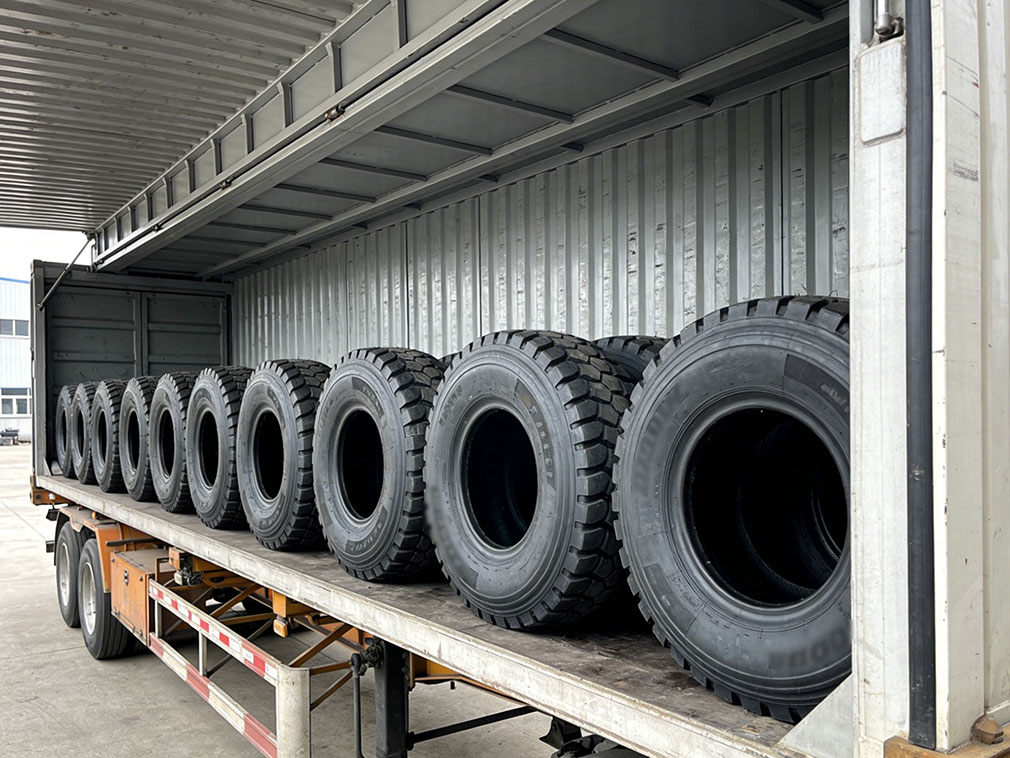
Natural Rubber: Reduced Supply, Moderate Price Increase
Let's look at natural rubber first. According to market monitoring data, on February 3rd, the reference price of natural rubber was approximately 16,025 yuan per ton, an increase of 1.16% from the previous day. In the futures market, the main rubber contract also closed with a slightly stronger trend.
This price increase is mainly supported by the supply side. Currently, domestic producing areas such as Yunnan and Hainan have fully entered the off-season for rubber tapping, and the market supply is mainly from existing inventory.
At the same time, major overseas producing areas such as Thailand are also in a low-production phase, with production continuing to decline. In addition, imports have contracted due to export quotas and shipping factors. These factors have collectively pushed up the price of natural rubber.
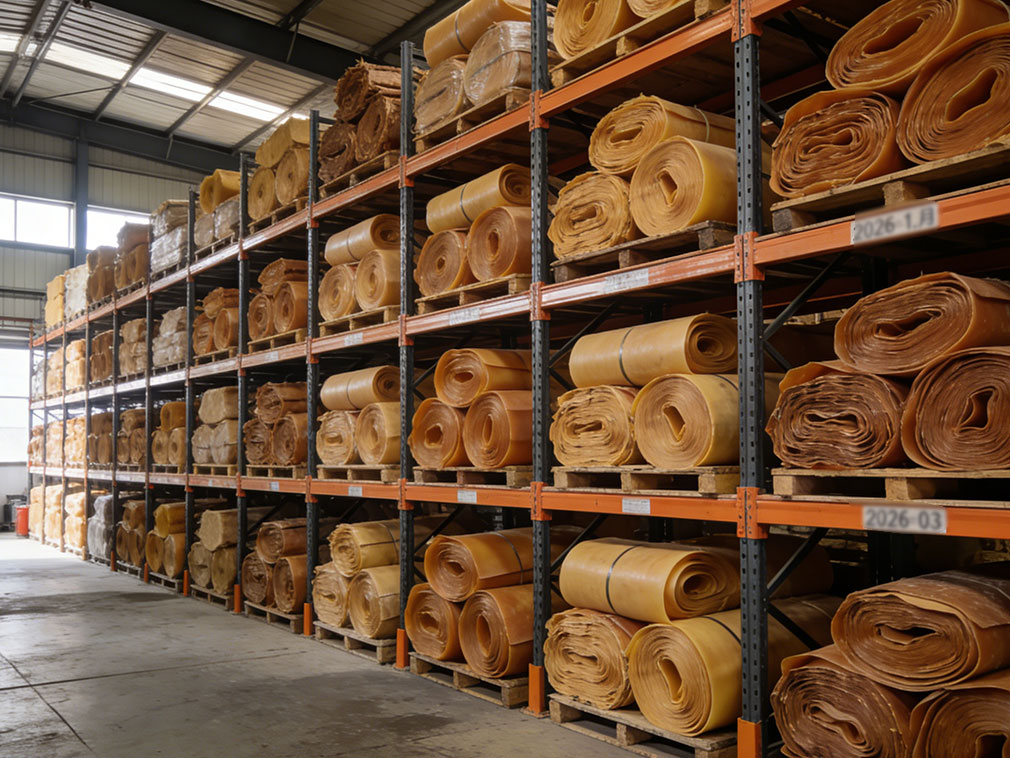
Synthetic Rubber: Upstream Raw Material Prices Rise Simultaneously
The price of synthetic rubber is also rising in tandem. On February 3rd, the main synthetic rubber futures contract closed up approximately 0.96%. In the spot market, prices for varieties such as butadiene rubber have increased to varying degrees; for example, the BR9000 grade is quoted at around 13,200 yuan per ton in many regions.
The main driver of the synthetic rubber price increase is its upstream raw material—butadiene. Since the beginning of this year, the cumulative increase in butadiene spot prices has been significant, directly raising the production cost of synthetic rubber. In addition, downstream tire companies had some restocking demand before the Spring Festival, further driving up prices.
Tire Cost Index Rises Slightly, Pressure on Companies in the Short Term
Rubber accounts for more than 50% of tire raw materials and is the core determinant of costs. Therefore, the simultaneous increase in the prices of both types of rubber directly impacts tire production costs. Data shows that on February 3rd, the raw material cost index for both semi-steel and all-steel tires showed a slight month-on-month increase.
This means that tire companies' short-term profit margins may be further compressed. However, with the Spring Festival approaching, many tire companies have already begun their holiday break, gradually reducing production. Therefore, most companies are currently absorbing the increased costs themselves and have not yet planned to adjust the price of finished tires.
The current tire market demand is showing a divergent trend: semi-steel tires are supported by export orders, and some companies have slightly increased their production schedules; while the all-steel tire market is experiencing sluggish sales, and some factories are still controlling output. This makes the cost pressures passed on to consumers relatively slowly.
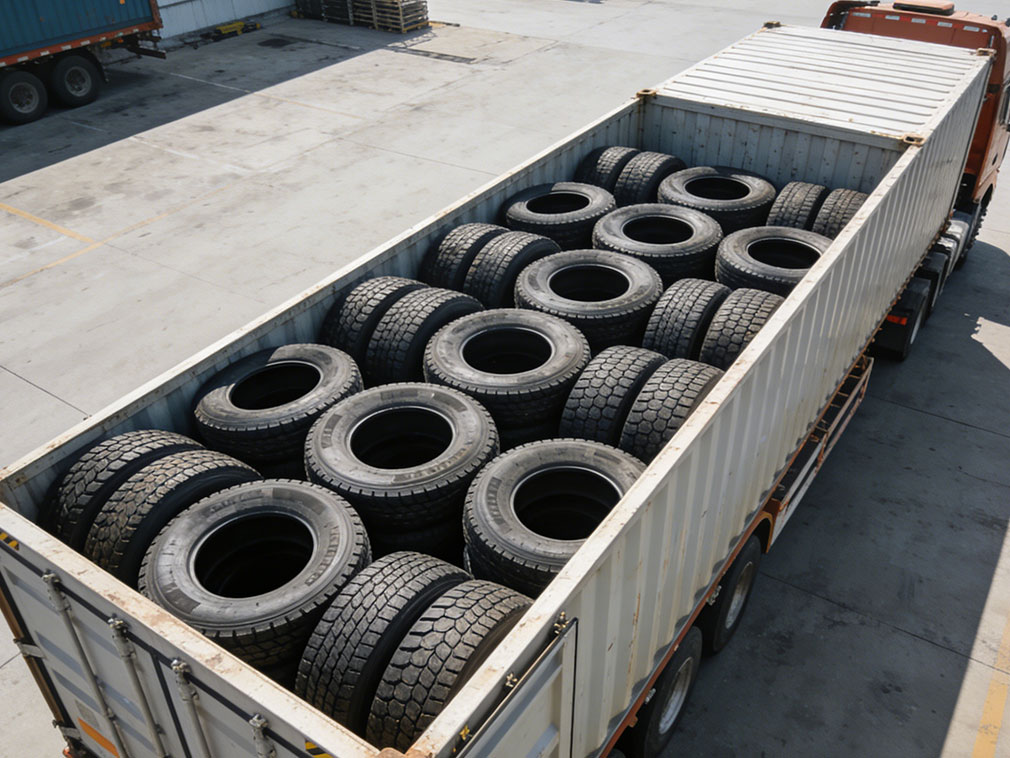
Future Outlook: Cost Pressures May Persist
In the short term, influenced by factors such as seasonal supply reductions and pre-holiday restocking, rubber prices are expected to remain relatively strong and volatile, and the tire cost index may continue to fluctuate slightly.
Looking at a longer timeframe, the global natural rubber planting area has been declining for several consecutive years, limiting future capacity growth. Meanwhile, with the increasing popularity of new energy vehicles, tire demand continues to grow. Therefore, rubber prices are likely to rise rather than fall in the medium to long term, and the cost pressures faced by tire companies may persist.
-
National Day Highway Charging Hits Record: +60.4% YoY(Oct 8)8264
-
New Energy Vehicle Exports Accelerate: 3.435 Million Units in First 8 Months, Up 120% Year-on-Year(Oct 8)8882
-
Chinese Tire Exports: Volume Up But Revenue Down Nearly RMB 900 Per Ton(Oct 8)5408
-
CNH Industrial: Smart Farming, NE and Local Tech(Sep 30)5575
-
CNHTC Drives Surging NE Heavy Truck Exports(Sep 30)8500




