
European Tire Giants: Strategic Analysis
Strategic Analysis of European Tire Giants
A market analysis report released on February 1st systematically compared and analyzed the differentiated strategies and development challenges faced by Continental, Pirelli, and Michelin, the three major European tire giants. Currently, the global tire industry is at a critical juncture, marked by deepening electrification and green transformation, and escalating geopolitical competition.
These three giants, leveraging their core strengths, have formulated and implemented differentiated development strategies, while each faces unique development bottlenecks. Their strategic layout and measures to address these challenges profoundly reflect the overall development trend and future direction of the global high-end tire market.
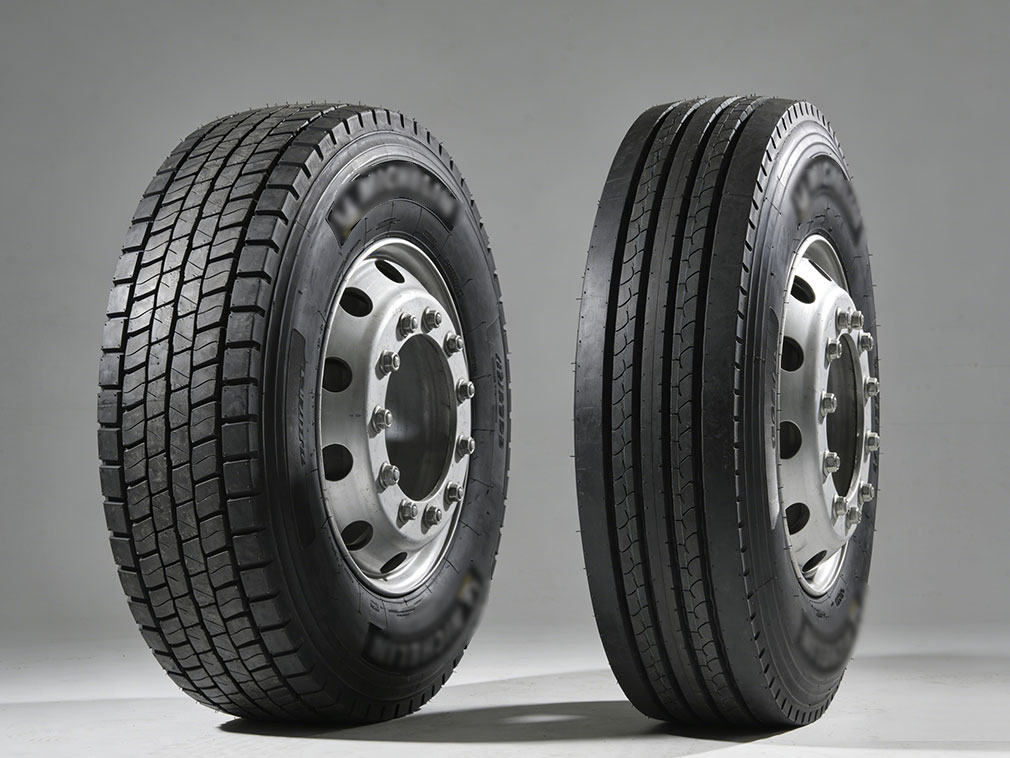
Continental's core strategy is "focus and divestiture," aiming to transform into a pure tire company. The group plans to sell its ContiTech division in 2026, a move expected to bring shareholders a special dividend of approximately €25 per share and allow it to concentrate resources on its core tire business. Preliminary results show that the tire division performed steadily in 2025, with sales of approximately €13.8 billion and an adjusted EBIT margin of 13.6%, demonstrating strong cost control and product portfolio optimization capabilities.
Benefiting from the EU's impending anti-dumping duties on Chinese passenger car tires, Continental, as a leading European domestic manufacturer, is expected to alleviate pricing pressure in the European market. Simultaneously, leveraging the wave of vehicle electrification, it can optimize its product structure and production capacity layout to further improve profit margins.
However, its challenges are equally significant. The divestiture of the ContiTech division faces uncertainty, and in the long term, how to continuously strengthen its technological advantages in the tire sector and cope with global supply chain fluctuations after divesting non-core businesses remains a challenge it needs to overcome.
Pirelli adheres to its high-end strategy, focusing on the large-size, high-performance tire market. 80% of its sales come from 18-inch and larger tires, with a profit margin exceeding 16%, holding a significant position in the high-end original equipment market.
The brand is deeply integrated with luxury car manufacturers and has a significant advantage in the Chinese OEM market, accounting for approximately 50% of its sales in China. However, its Chinese shareholder background has placed it in a predicament of geopolitical maneuvering. The new US import regulations for "connected vehicles," which will take effect in March 2026, impose stringent requirements on the compliance of its smart tire technology.
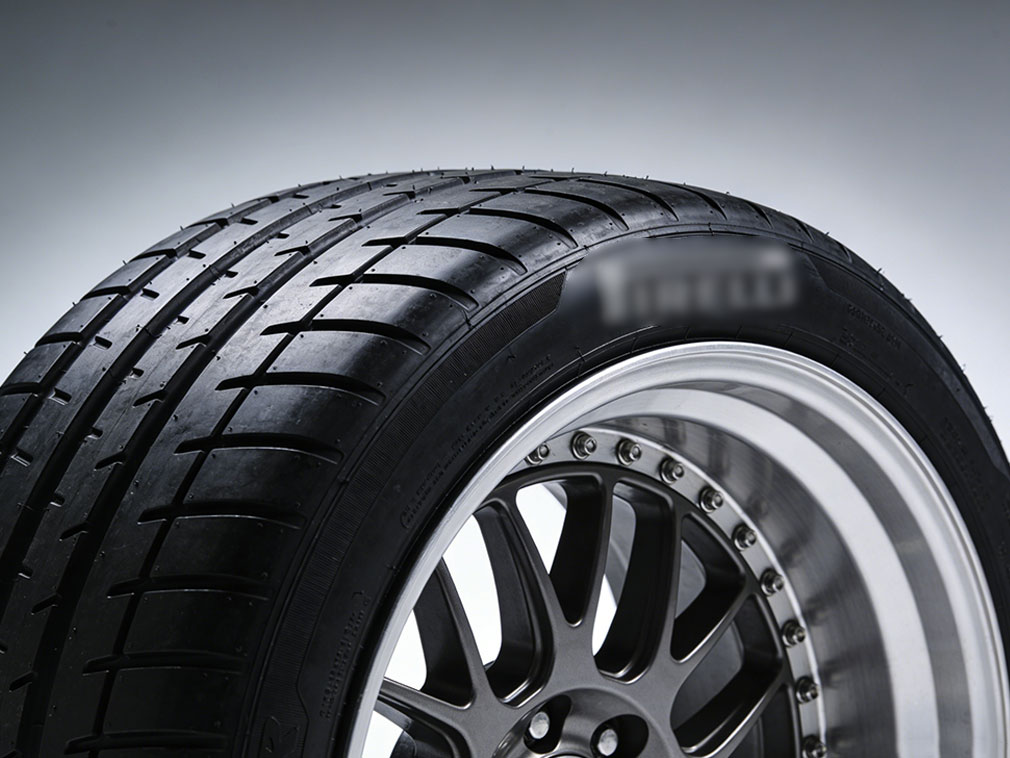
Since the North American market contributes 25% of its revenue, compliance issues have become a threat to its survival. Furthermore, the governance conflicts between Chinese and Italian shareholders are becoming increasingly public, and internal friction is severely hindering strategic execution efficiency. How to achieve compliant development and resolve shareholder differences amidst political pressures has become Pirelli's primary challenge.
Michelin, on the other hand, maintains its leading position in the industry thanks to its comprehensive business portfolio, but is currently facing a growth bottleneck and is labeled by analysts as "lacking catalysts." While its passenger car tire business has maintained gross margins through price increases, sales volume has been somewhat suppressed by the price adjustment cycle.
The truck tire business, which contributes about a quarter of its revenue, continues to be sluggish due to the collapse of the North American freight market and the intensification of price wars in Europe. The specialty tire market is mixed; strong demand from the mining industry is beneficial, but the sluggish agricultural and construction machinery tire markets limit growth potential.
Despite its strong brand power, stable cash flow, and analysts' prediction that its adjusted EBIT margin will increase to 12% by 2026, the relatively high valuation contrasts with the bleak growth prospects, resulting in insufficient momentum for stock price increases. How to break through business growth bottlenecks and find new growth engines has become a pressing issue for Michelin.
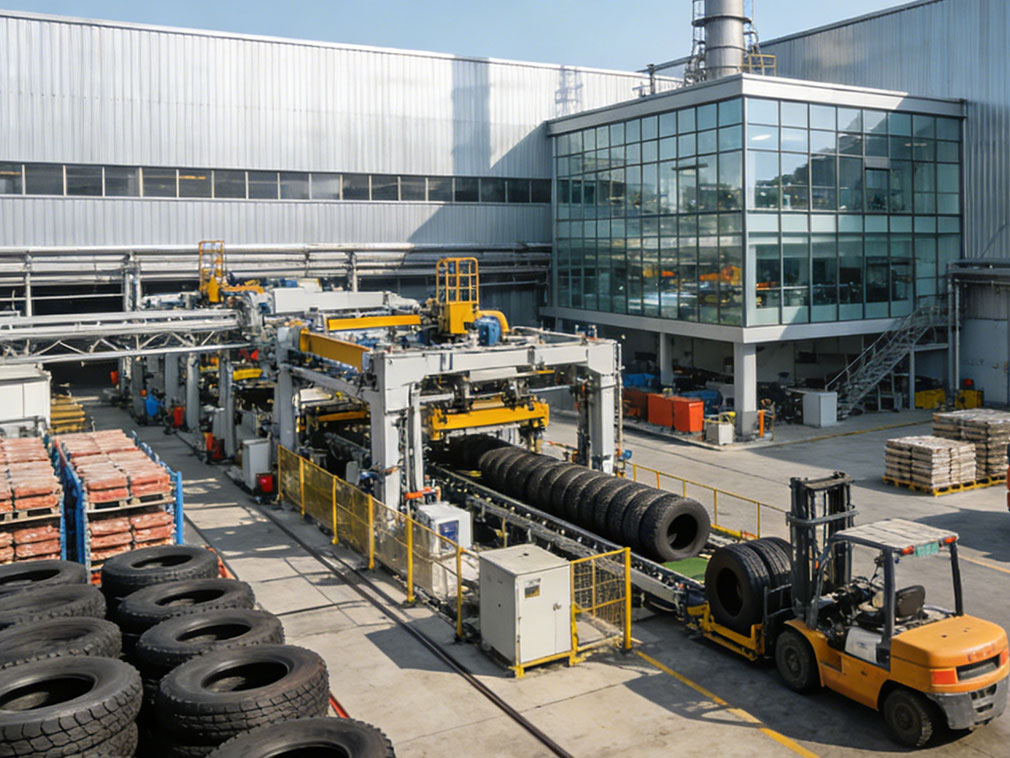
The strategic choices of the three major European tire giants are distinctive: Continental's focused transformation, Pirelli's commitment to the high-end market, and Michelin's smooth transition are all different responses to industry transformation.
Currently, the global tire industry faces common challenges such as increasingly stringent environmental regulations, fluctuating raw material prices, and geopolitical conflicts. Whether the three giants can overcome their difficulties and seize transformation opportunities through strategic resolve will determine their future competitive position in the global market.
-
National Day Highway Charging Hits Record: +60.4% YoY(Oct 8)8264
-
New Energy Vehicle Exports Accelerate: 3.435 Million Units in First 8 Months, Up 120% Year-on-Year(Oct 8)8882
-
Chinese Tire Exports: Volume Up But Revenue Down Nearly RMB 900 Per Ton(Oct 8)5408
-
CNH Industrial: Smart Farming, NE and Local Tech(Sep 30)5577
-
CNHTC Drives Surging NE Heavy Truck Exports(Sep 30)8500




