
EV Tire: Safety Issues Beyond Quietness
When people discuss the advantages of new energy vehicles, "quietness" is often a key highlight. Compared to the roar of a gasoline engine, electric vehicles seem to offer a quieter driving experience. However, behind this "quietness" may lie new problems and risks.
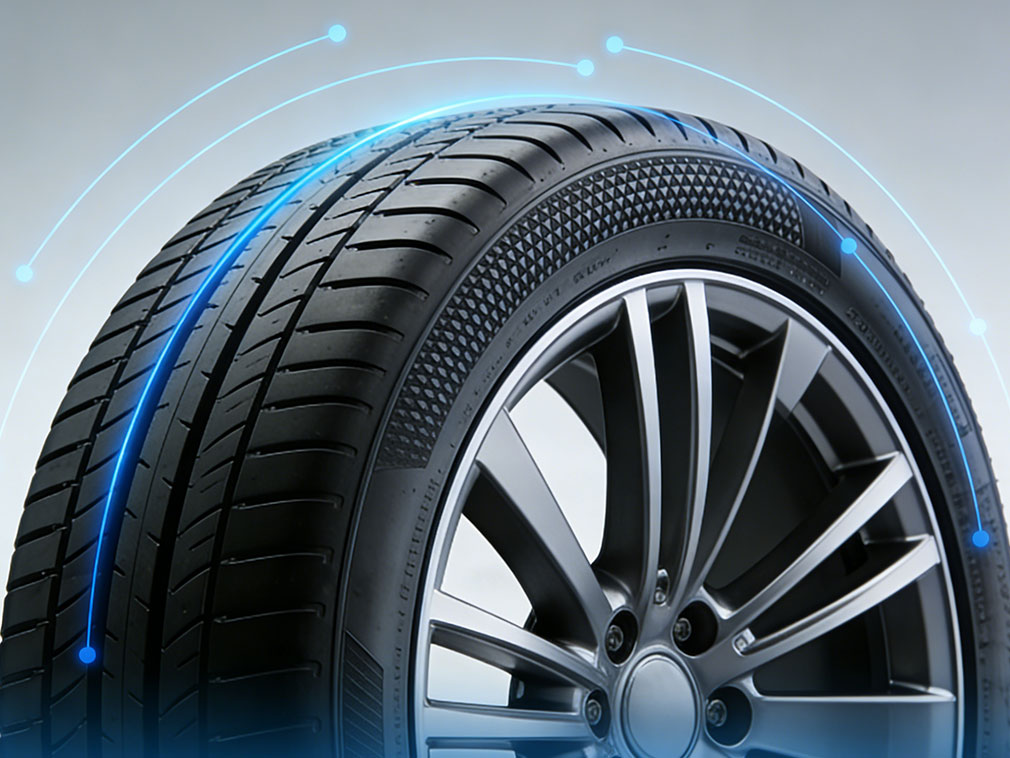
Why do new energy vehicles have a higher demand for "quietness"?
Due to the weight of the battery pack, new energy vehicles are generally heavier, which means greater pressure on the road surface from the tires, resulting in more noticeable tire noise during driving. At the same time, the high-frequency electromagnetic noise generated by the motor, while not necessarily loud, has strong penetrating power and a rather harsh timbre.
More importantly, new energy vehicles lack the "masking" effect of traditional gasoline engine noise, making various subtle noises—especially tire noise and high-frequency whine—more easily perceived by passengers.
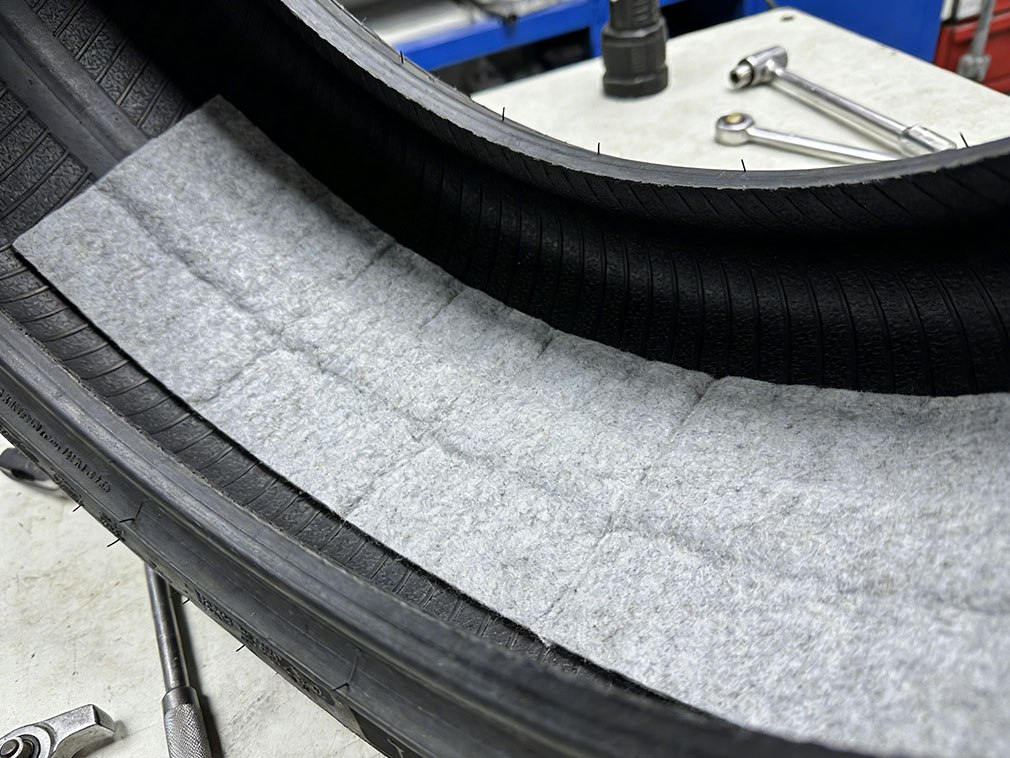
Real-world tests show that at a speed of 120 km/h, tire noise can account for more than 40% of the total noise inside a new energy vehicle. To improve quietness, sound-dampening foam has gradually become an important feature in many models.
It is typically applied to the inner wall of tires or key parts of the vehicle body, reducing noise through sound absorption, sound insulation, and damping. High-quality products can reduce interior noise by 2-4 decibels and are considered a low-cost, high-efficiency solution.
Quality Crisis Amidst Market Boom
With the explosive growth of the new energy vehicle market, the demand for sound-absorbing foam has surged, attracting numerous companies to this field. However, the industry currently lacks unified national mandatory standards, resulting in low market entry barriers and a chaotic situation of inconsistent product quality.
Many companies, in order to cut costs, use inferior raw materials and simplify processes, leading to serious defects in product durability and reliability. Surveys show that some inferior sound-absorbing foam may experience a delamination rate exceeding 30% after six months of use, with its noise reduction effect decreasing by more than half.
Low Temperature Environments: Amplifier of Safety Risks
Hazards are particularly dangerous in extreme environments. Winter temperatures in northern my country can drop to -30℃ or even -50℃. Inferior sound-absorbing foam has poor temperature resistance; at low temperatures, it quickly becomes brittle, hardens, and loses its elasticity, unable to adapt to the deformation of the tires during driving, leading to detachment and breakage.
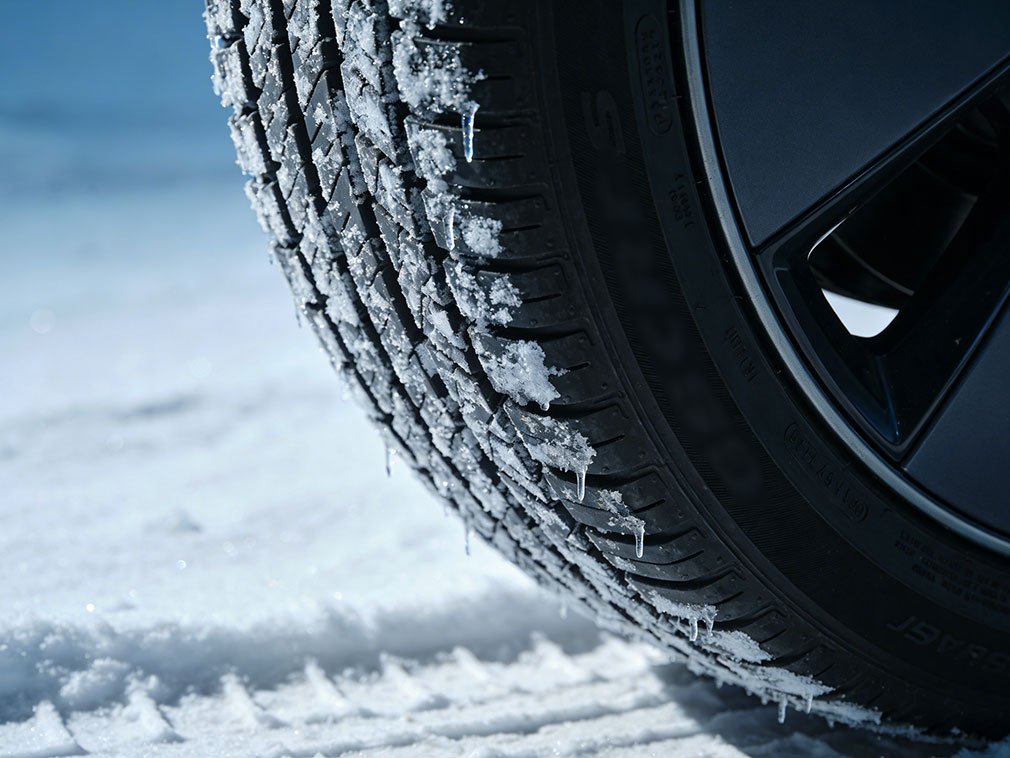
If these fragments remain inside the tires, they will disrupt the dynamic balance, causing vehicle vibration and steering wheel shock. Over time, this will accelerate tire wear and even increase the risk of tire blowouts at high speeds. If the fragments fall into the chassis, they may also interfere with the braking or steering systems, posing a serious safety hazard.
Besides low temperatures, what other problems exist?
The anti-aging ability of inferior sound-dampening foam is also questionable. Long-term exposure to ozone and ultraviolet rays can easily cause it to crack and powder. The adhesive's temperature resistance is insufficient; under the alternating hot summers and cold winters, it easily softens or fails, accelerating its detachment.
Furthermore, some automakers, in order to control costs, choose low-priced products in original equipment configurations or omit this feature from entry-level models, forcing consumers to turn to the aftermarket, where quality supervision is even weaker.
Towards Standardization: Safety and Quietness are Indispensable
The chaos in the sound-dampening foam market not only affects the riding experience but also directly relates to driving safety. The urgent needs are:
Accelerate standard setting: Promote the promulgation of national or industry standards, clarifying core indicators such as material quality, temperature resistance range, bonding strength, and service life, and establishing entry thresholds.
Strengthen market supervision: Severely crack down on the production and sale of substandard products, while regulating the original equipment manufacturer (OEM) configuration and aftermarket installation market.
Only by establishing a reliable quality system can noise-reducing foam truly become a contributor to improving the quality of new energy vehicles, rather than a hidden risk. For consumers, while focusing on range and intelligence, they should also understand these "invisible" details, because safety is always the most important aspect of travel.




