
Waste Tire Prices Hit Record High
Recently, the domestic waste tire market has seen another round of price increases. Around February 2nd, 2026, prices in major producing areas such as Shandong, Hebei, and Jiangsu collectively rose, with the recycling price of large steel wire tires approaching 1900 yuan per ton, and some high-quality sources even reaching 2000 yuan per ton, an increase of over 8% compared to the same period last month.
Before the Spring Festival, tire repair shops, recyclers, and downstream processing companies rushed to ship or stock up, making waste tire prices a focus of attention in the industry chain. Many industry practitioners exclaimed, "I never expected waste tire prices to rise so high."
Looking back at the trend over the past two years, this increase is not accidental. Starting from 800-1000 yuan per ton at the beginning of 2024, waste tire prices have been steadily rising, now jumping to the 1800-2000 yuan range, more than doubling and repeatedly breaking records for the past five years. Waste tires, once considered "black waste," have now become a "hot commodity" in the market. The fundamental driving force behind this is the considerable profits brought by their recycling.
I. Pyrolysis: A Key Step in "Turning Waste into Treasure"
Waste tires can be efficiently converted into three major industrial raw materials—fuel oil, carbon black, and steel wire—through specialized pyrolysis technology. Industry measurements show that each ton of waste tires can produce approximately 450 kg of fuel oil, 350 kg of carbon black, and 120 kg of steel wire.
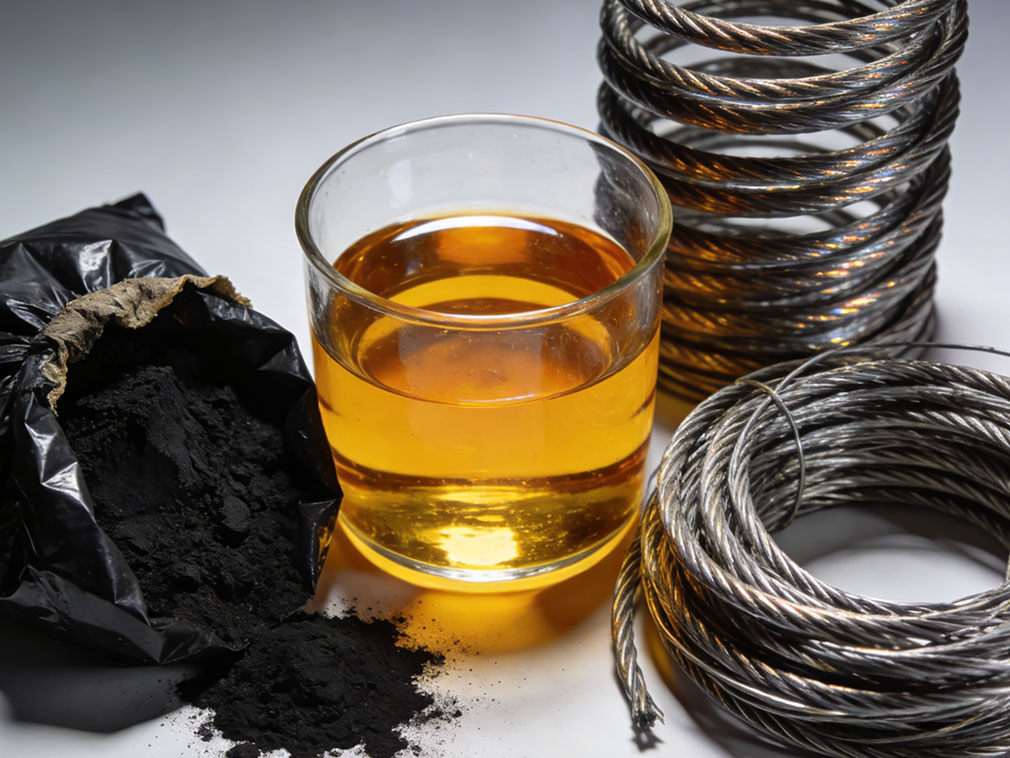
Based on current market prices, the combined value of these three products alone can exceed 7,000 yuan. Even after deducting processing, environmental protection, and logistics costs, the net profit per ton of waste tires can still reach 800-1000 yuan, demonstrating significant profit potential.
II. Rising Raw Material Prices Highlight the Cost Advantage of Recycling
From 2025 to early 2026, the prices of the main raw materials for tire manufacturing—natural rubber, synthetic rubber, and virgin carbon black—remained high. For example, the price of natural rubber increased by more than 11% in a short period, and the average annual price of virgin carbon black was nearly 1000 yuan/ton higher than that of recycled carbon black.

Against this backdrop, downstream companies have increased their procurement of recycled materials to control costs, thereby driving up the demand and price of waste tires.
III. Improved Environmental Policies and Recycling Systems Promote Industry Standardization
In recent years, environmental policies have been continuously tightened, leading to the gradual withdrawal of outdated and heavily polluting small-scale processing capacity, and the industry is developing towards large-scale and standardized operations.
Formal recycling channels are becoming increasingly robust, reducing the indiscriminate disposal of waste tires and tightening market supply. Simultaneously, concentrated purchases by large processing enterprises have further driven up recycling prices.
IV. Pre-Holiday Supply and Demand Fluctuations and Short-Term Price Surges
The concentrated demand for shipments and stockpiling before the Spring Festival exacerbated the short-term market tightness. Recyclers proactively raised purchase prices to seize the pre-holiday sales window; downstream enterprises also increased procurement to prepare for post-holiday production, jointly contributing to a regional price surge in early February.

Waste Tires Have Become "Black Gold"
Currently, the waste tire market has formed a virtuous cycle of "demand driving prices, and prices supporting supply." It is expected that after the Spring Festival, as downstream enterprises resume work and production, demand will remain high, and prices are expected to stabilize in the range of 1800-2000 yuan/ton.
This change has not only reshaped people's understanding of waste, but also promoted the high-quality development of the resource recycling industry—the former "black garbage" is now truly transforming into "black gold" that combines economic benefits and environmental significance.




