
ATV Tire Market Growth and Competitive Trends
With the popularization of outdoor off-road sports, the deepening of agricultural mechanization, and the large-scale development of the outdoor leisure industry, the market popularity of all-terrain vehicles (ATVs/UTVs) continues to rise globally. As a key, easily damaged component of ATVs, ATV tires, with their specific adaptability and high-frequency replacement demand, are becoming a steadily growing and promising niche market within the tire industry.
Compared to the saturated passenger car tire market, the competitive landscape of the ATV tire sector is still evolving, offering ample room for growth and attracting numerous domestic and international tire companies to actively invest in the market. The industry is gradually showing a development trend of simultaneous price competition and technological iteration.
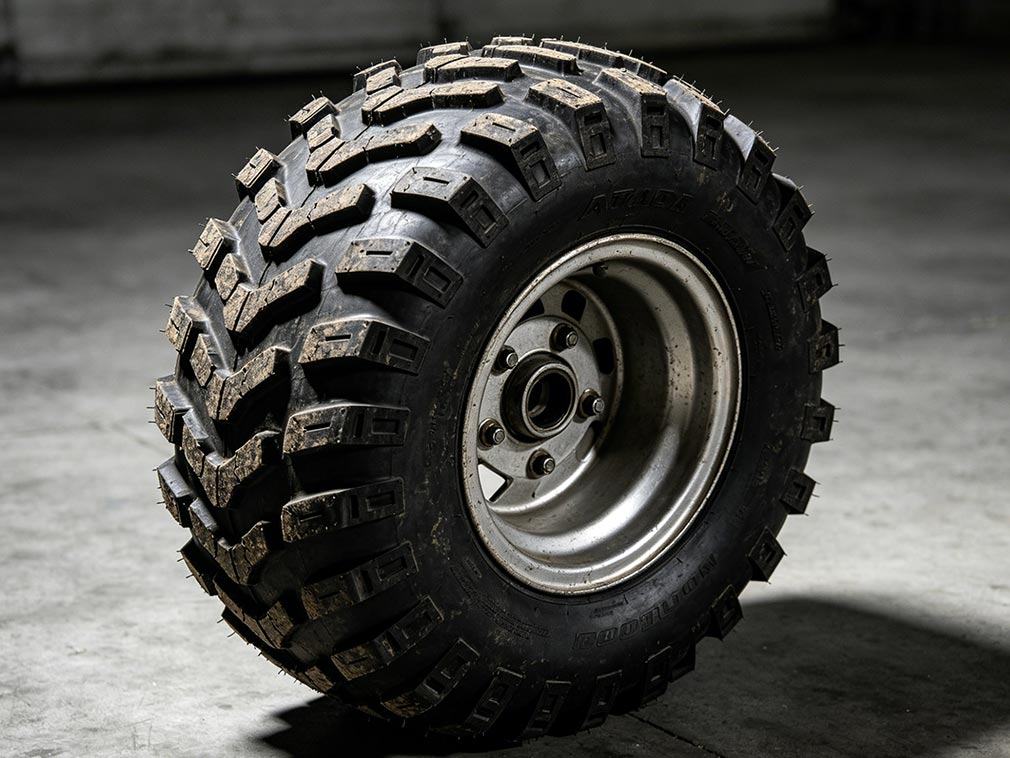
ATV (All-Terrain Vehicle) tires are special tires designed for ATVs, four-wheel off-road vehicles, agricultural vehicles, and multi-purpose UTVs. Their product attributes and application scenarios differ fundamentally from those of ordinary passenger car and SUV tires. The development focus of ordinary civilian tires is on-road driving scenarios, primarily optimizing noise reduction, ride comfort, and high-speed stability to meet the needs of daily commuting on paved roads.
The core of ATV tire research and design lies in its off-road capability, requiring it to adapt to complex and harsh road conditions such as sand, mud, mountains, gravel, and farmland. This places stringent demands on the tire's grip, tear resistance, wear resistance, impact resistance, and load-bearing capacity. This unique positioning has led to the development of an independent technological system for ATV tires in terms of carcass structure, rubber compound, and tread design.
Benefiting from the diverse application scenarios downstream, the global ATV tire market has maintained steady growth. Industry statistics show that the global ATV/UTV tire market revenue reached RMB 5.627 billion in 2025, with a compound annual growth rate of approximately 8.02%, significantly outperforming traditional tire segments.
It is projected that the global market size will exceed RMB 9.6 billion by 2032. From the demand side, Europe and the United States, with their mature outdoor off-road culture and high agricultural mechanization rates, are the world's main consumer markets.
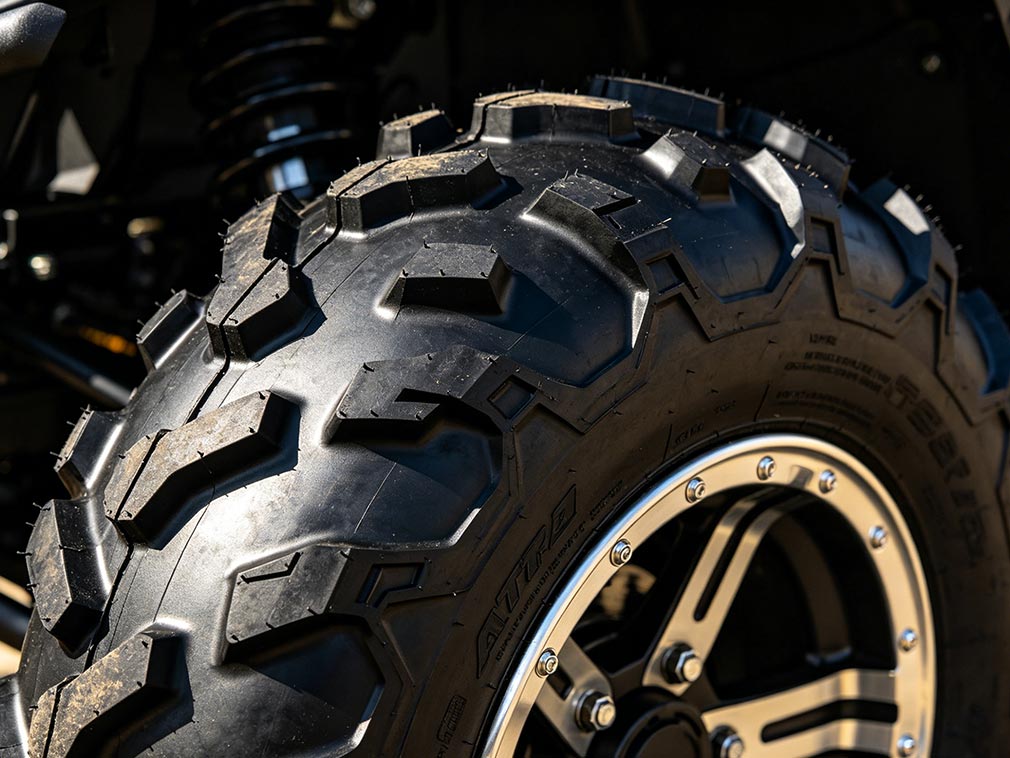
The Asia-Pacific region, benefiting from the upgrading of the leisure sports industry and the replacement of agricultural equipment, has become the fastest-growing emerging market, providing significant impetus for the industry's continued expansion. Meanwhile, ATV tires are high-frequency wear components, experiencing rapid wear under complex road conditions. This resulting stable replacement demand further solidifies the foundation for market growth.
Currently, the ATV tire market has formed a competitive landscape between domestic and international brands, with increasingly differentiated competitive levels. The entry-level market is primarily driven by cost-effectiveness, with some small and medium-sized brands leveraging cost advantages to enter the mass replacement market with affordable prices, leading to price competition within the industry at a certain stage.
The mid-to-high-end market, however, focuses on technological competition. Leading brands concentrate on scenario-based technological upgrades, developing differentiated tire products for various usage scenarios such as agricultural operations, professional off-roading, and outdoor recreation.
This is achieved through improved rubber wear-resistant compounds, deeper and stronger tread patterns, and enhanced tire carcass pressure resistance structures, improving product adaptability and lifespan under complex road conditions.
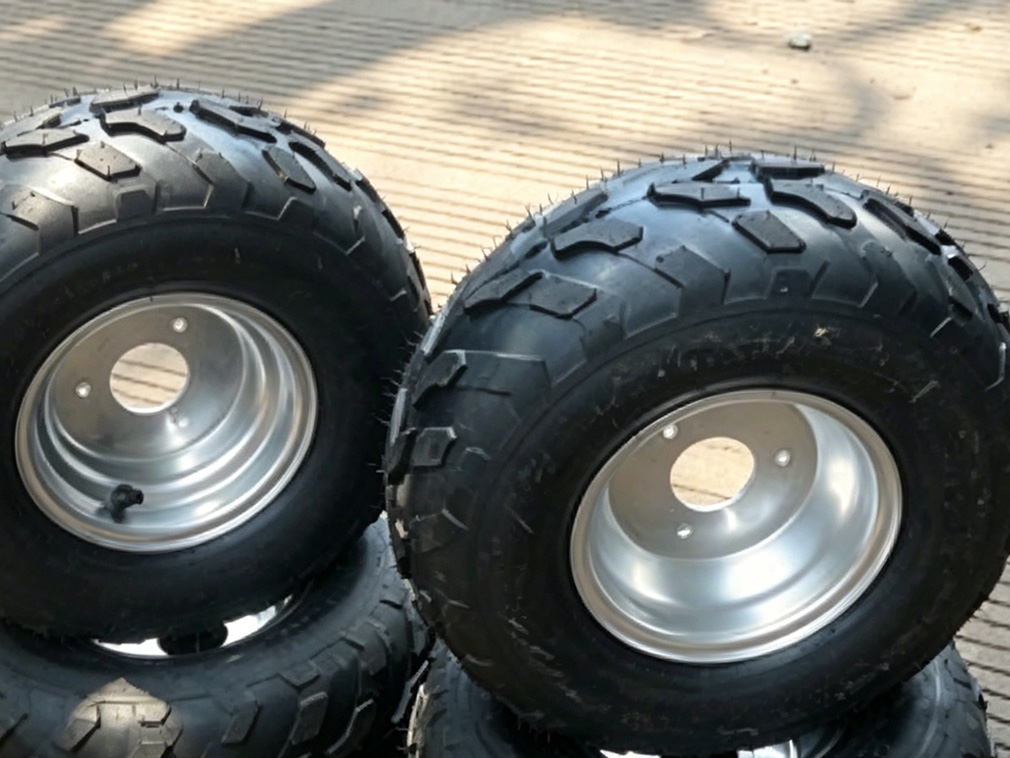
Compared to the traditional tire industry, the ATV tire market has more refined entry barriers, testing not only a company's rubber compound and structural design capabilities but also requiring continuous innovation to closely align with the iterative needs of downstream scenarios.
Currently, this industry has not yet formed an absolute monopoly. In a market characterized by high growth and segmentation, companies with strong technological R&D capabilities, scenario-based product portfolios, and stable supply chain capabilities are more likely to break through industry competitive barriers, capture a major market share, and lead the future development direction of the industry.
-
National Day Highway Charging Hits Record: +60.4% YoY(Oct 8)8264
-
New Energy Vehicle Exports Accelerate: 3.435 Million Units in First 8 Months, Up 120% Year-on-Year(Oct 8)8882
-
Chinese Tire Exports: Volume Up But Revenue Down Nearly RMB 900 Per Ton(Oct 8)5408
-
CNH Industrial: Smart Farming, NE and Local Tech(Sep 30)5577
-
CNHTC Drives Surging NE Heavy Truck Exports(Sep 30)8500




