
Pirelli Cyber Tire Test on Pagani Utopia Across
On May 19, 2026, a real-world testing journey linking three core automotive technology regions in Europe successfully concluded. A Pagani Utopia Roadster, equipped with Pirelli Cyber intelligent tire technology, successfully completed a cross-European road test covering over 1,500 kilometers.
This journey, a deep collaboration between Pirelli, Pagani, and Bosch Engineering, verified the feasibility of deep integration between intelligent tires and the vehicle's dynamic system, accumulating real-world road data for high-end supercar intelligent chassis technology.
This test is significant in the industry and represents a representative application of the deep integration of Pirelli Cyber tire technology and vehicle dynamic systems. Unlike traditional tires, which are merely passive load-bearing components, Pirelli Cyber tires have built a digital ecosystem.
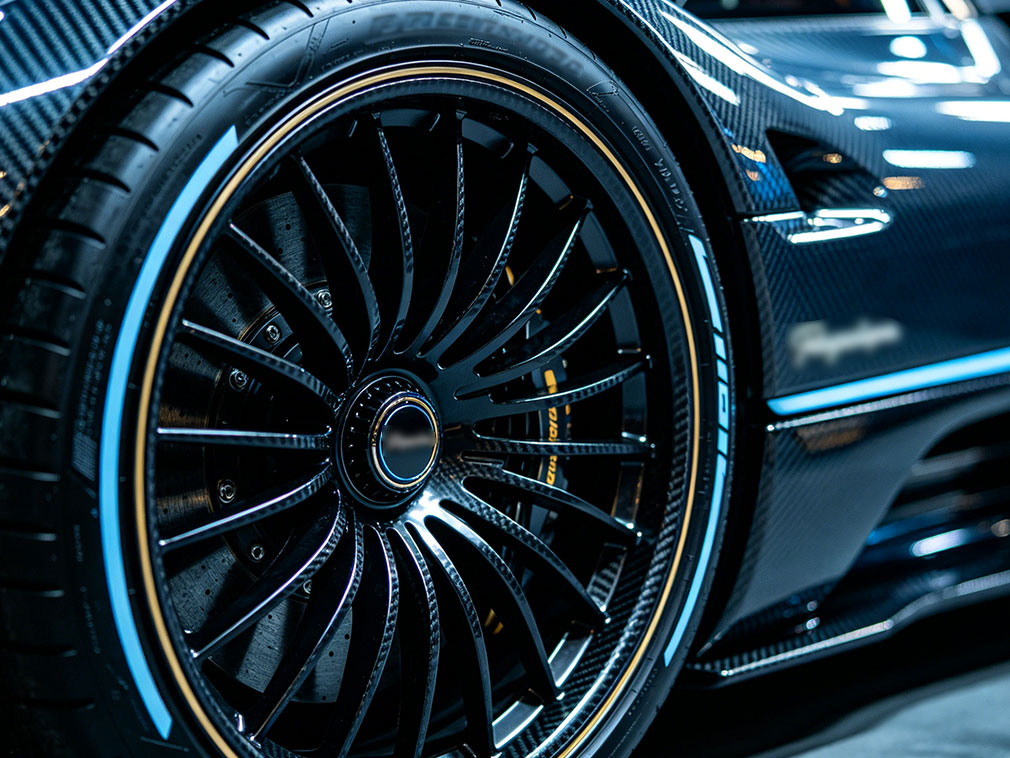
Utilizing built-in high-precision sensors, they collect and transmit core data such as tire pressure, tire temperature, road surface adhesion, and driving load in real time, transforming the tire into an intelligent sensor that actively senses the road surface and driving conditions. This optimizes driving posture control at the hardware level, effectively improving driving safety and stability in complex road conditions.
The route precisely connects the three technology hubs, possessing both practical testing value and industrial significance. The vehicle departs from Pagani's headquarters (located in San Cesareo-Sulbanaro, north of Bologna, Italy), the design and manufacturing site of the Pagani Utopia Roadster.
This model features the factory-installed Cyber tire system and achieves full integration with the vehicle's dynamic control electronics system, providing a new paradigm for the integrated application of intelligent tires in supercars.
Midway through the journey, the vehicle arrives in Abstadt, north of Stuttgart, Germany, the core R&D base of Bosch Engineering. Based on the collaborative R&D achievements of the three parties, the Cyber tire achieves real-time data interaction and collaborative operation with the anti-lock braking system, electronic stability control system, and traction control system.
Road surface and driving data collected by the tires can be quickly synchronized to the vehicle control system, enabling more precise vehicle dynamic adjustments and more timely responses. This effectively helps avoid driving risks on wet, bumpy, and low-traction surfaces, compensating for the shortcomings of traditional chassis systems in anticipating road conditions.
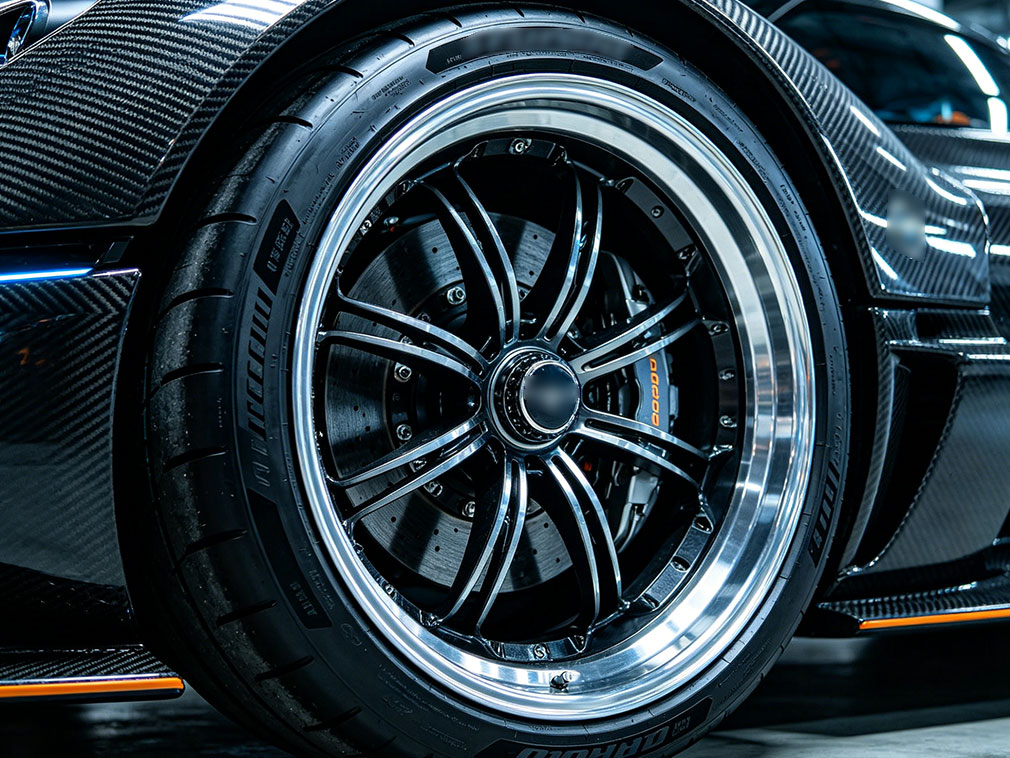
After completing the testing and verification in Germany, the vehicle entered Italy and finally arrived in Milan—the core R&D and incubation site of Pirelli's Cyber tire technology—concluding this long-distance international technical test.
The journey of over 1,500 kilometers covered various scenarios, including urban roads, highways, and mountain roads, fully simulating the complex operating conditions of supercars in daily driving. This tested the stability of the Cyber tire intelligent sensing system, the accuracy of data transmission, and the reliability of the three-party technology adaptation.
This cross-European test was not only a real-world verification of the technology's implementation but also a new attempt at integrating technologies from three major fields: high-end components, supercar manufacturing, and automotive electronics engineering.

Leveraging their respective technological advantages, the three parties established a technical link connecting intelligent tire sensing, vehicle dynamic control, and electronic system adaptation. This provides a proven technical solution for the intelligent and safe upgrades of high-end luxury models and supercars, and also provides valuable test references for the iterative development of global automotive intelligent chassis technology.
-
National Day Highway Charging Hits Record: +60.4% YoY(Oct 8)8273
-
New Energy Vehicle Exports Accelerate: 3.435 Million Units in First 8 Months, Up 120% Year-on-Year(Oct 8)8891
-
Chinese Tire Exports: Volume Up But Revenue Down Nearly RMB 900 Per Ton(Oct 8)5414
-
CNH Industrial: Smart Farming, NE and Local Tech(Sep 30)5588
-
CNHTC Drives Surging NE Heavy Truck Exports(Sep 30)8507




