
China All-Steel Tire Sales Decline in Jan 2026
At the start of 2026, the domestic all-steel tire market faced initial pressure, with sales continuing their downward trend in January. According to the latest survey, among a sample of 62 primary and secondary all-steel tire dealers in China, most experienced a month-on-month decline in sales, with overall shipments decreasing by 15%-20% compared to the previous month, highlighting the industry's off-season characteristics. Meanwhile, affected by multiple unfavorable factors, February's all-steel tire sales are expected to further shrink, likely falling to a low for the year.
The decline in January's all-steel tire sales was not accidental, but rather the result of a confluence of factors including seasonal off-season, policy adjustments, cost pressures, and high inventory levels. Industry data from the past decade shows that the all-steel tire replacement market has consistently experienced weak demand in the last month before the Spring Festival holiday. With the 2026 Spring Festival scheduled for mid-to-late February, January, a crucial period for pre-holiday stockpiling, has failed to see the expected rebound in end-user demand.
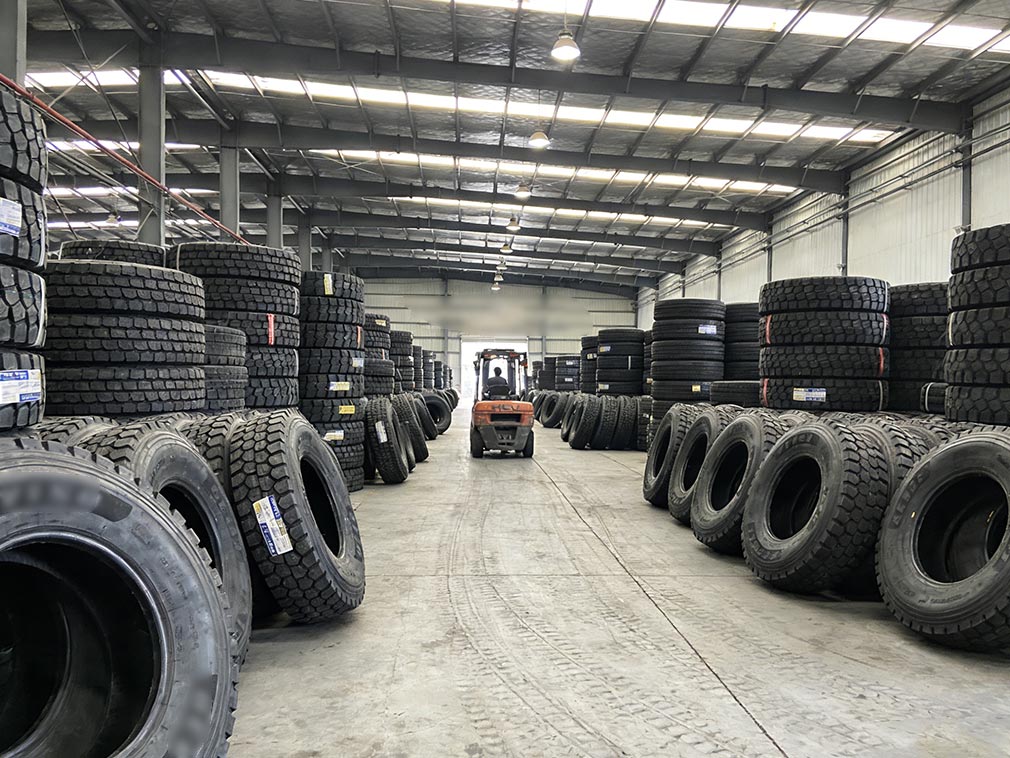
Downstream logistics, transportation, mining, and infrastructure industries gradually entered a holiday shutdown phase, leading to a significant decrease in commercial vehicle travel frequency and a substantial contraction in tire replacement demand. Most retail outlets showed little willingness to stockpile before the holiday, with procurement generally postponed until after the holiday.
Policy changes further exacerbated the sales decline. In early 2026, the Ministry of Transport, the Ministry of Public Security, and the Ministry of Industry and Information Technology jointly launched a six-month special campaign to regulate commercial vehicle overloading, employing stringent measures such as "one violation, three penalties" and stationing personnel at the source to standardize the freight market and end the extensive growth model of commercial vehicles relying on heavy loads and high speeds.

This policy directly impacted the all-steel tire sector, causing a sharp decline in demand for low-quality tires previously designed for overloading scenarios. Meanwhile, the market demand for compliant tires had not yet filled the gap, leading logistics companies and drivers to prefer extending the lifespan of existing tires, further suppressing replacement demand.
Cost pressures and inventory backlogs also significantly dragged down January sales. Upstream raw material prices continued to rise. As of January 26, the raw material cost index for all-steel tires increased by 3.91% compared to the beginning of the month. Major raw materials such as styrene-butadiene rubber (SBR), butadiene rubber (BR), and carbon black saw significant price increases, with carbon black prices rising by over 13% month-on-month and the average price of natural rubber increasing by approximately 3%.
The rising raw material prices directly increased tire production costs. Weak end-user demand prevented companies from fully passing on the cost pressures to downstream manufacturers, forcing them to compress profit margins.
To avoid the risk of finished product inventory buildup due to high raw material prices, some companies chose to halt production and close for holidays earlier than in previous years, further reducing market supply. Meanwhile, channel inventory remained high.
As of January 22, the inventory turnover days of sample domestic all-steel tire companies reached 46.8 days, and some distributors' inventory turnover days had exceeded 60 days, indicating significant pressure to reduce inventory. Distributors' trading activity declined, and their willingness to actively stock up was weak.
The combination of these multiple pressures made it difficult to alleviate the weakness in the all-steel tire market. This pressure is expected to continue into February, leading to a further reduction in sales expectations. The core influencing factor is the Spring Festival holiday in mid-to-late February, during which the tire market will experience a prolonged sales lull.
Downstream industries will be largely shut down for the holiday, and channel distributors will focus on recovering funds and clearing existing inventory, with extremely low willingness to stock up. With the resumption of work nearing the end of the month, logistics, transportation, mining, and infrastructure industries will require a short transition period, making it difficult to generate substantial tire demand in the short term. Small-scale market transactions will not be able to reverse the overall decline in sales for the month.
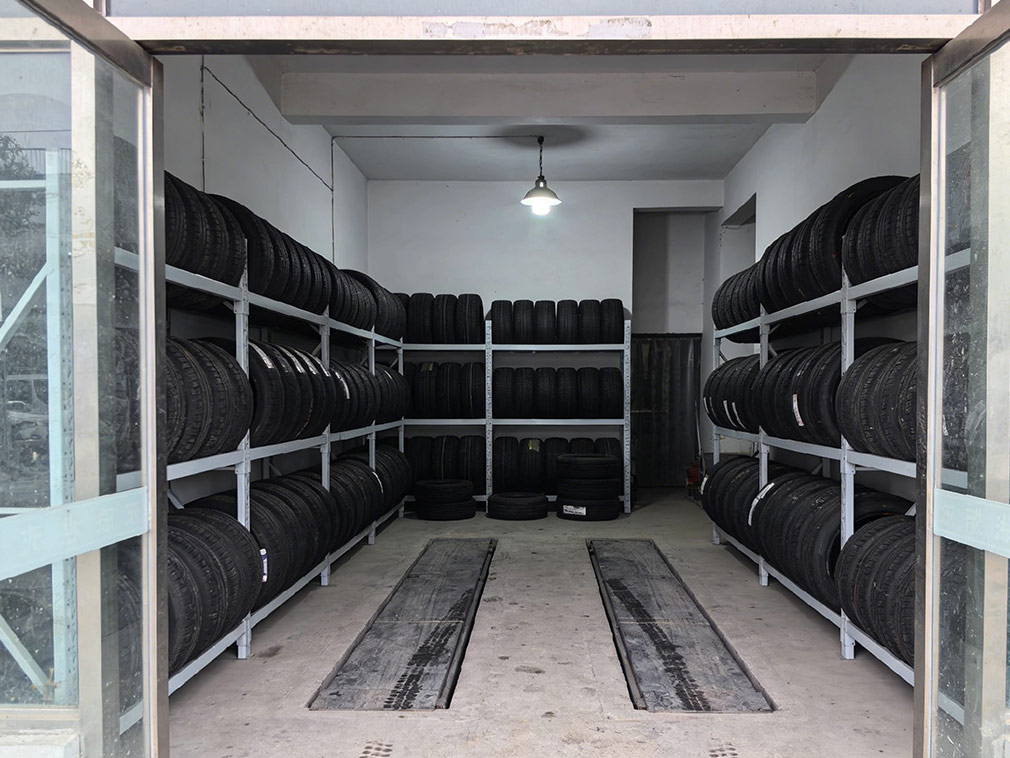
According to industry forecasts, sales of all-steel tires will further contract in February, with production declining by more than 30% year-on-year, likely reaching a low point for the year. In the short term, the pressure on the all-steel tire market is unlikely to ease quickly. Sales are expected to gradually recover in March as demand recovers after the holiday and businesses fully resume operations.
However, the current problems facing the industry, such as weak demand, high inventory, and rising costs, still require time to digest. The market performance in the first two months of 2026 also indicates that the all-steel tire industry will enter a period of adjustment throughout the year, with sales growth likely to be significantly lower than last year.
-
National Day Highway Charging Hits Record: +60.4% YoY(Oct 8)8264
-
New Energy Vehicle Exports Accelerate: 3.435 Million Units in First 8 Months, Up 120% Year-on-Year(Oct 8)8882
-
Chinese Tire Exports: Volume Up But Revenue Down Nearly RMB 900 Per Ton(Oct 8)5408
-
CNH Industrial: Smart Farming, NE and Local Tech(Sep 30)5575
-
CNHTC Drives Surging NE Heavy Truck Exports(Sep 30)8500




