
China PCR Tire Rate Drops 6.17%
Latest industry data shows that in the week ending June 25, 2026, the operating rate of domestic semi-steel tire manufacturers was 62.78%, a decrease of 6.17 percentage points from the previous week, indicating a significant contraction in capacity deployment. The reasonable operating rate range for stable profitability in the industry is 70%-80%, and the current operating level is below the break-even point, putting overall operations under pressure.
Currently, most small and medium-sized tire factories in China are operating below capacity utilization, resulting in widespread losses. Even leading companies, leveraging their scale and distribution channels, can only maintain a slight profit, further compressing the overall profit margin of the industry.
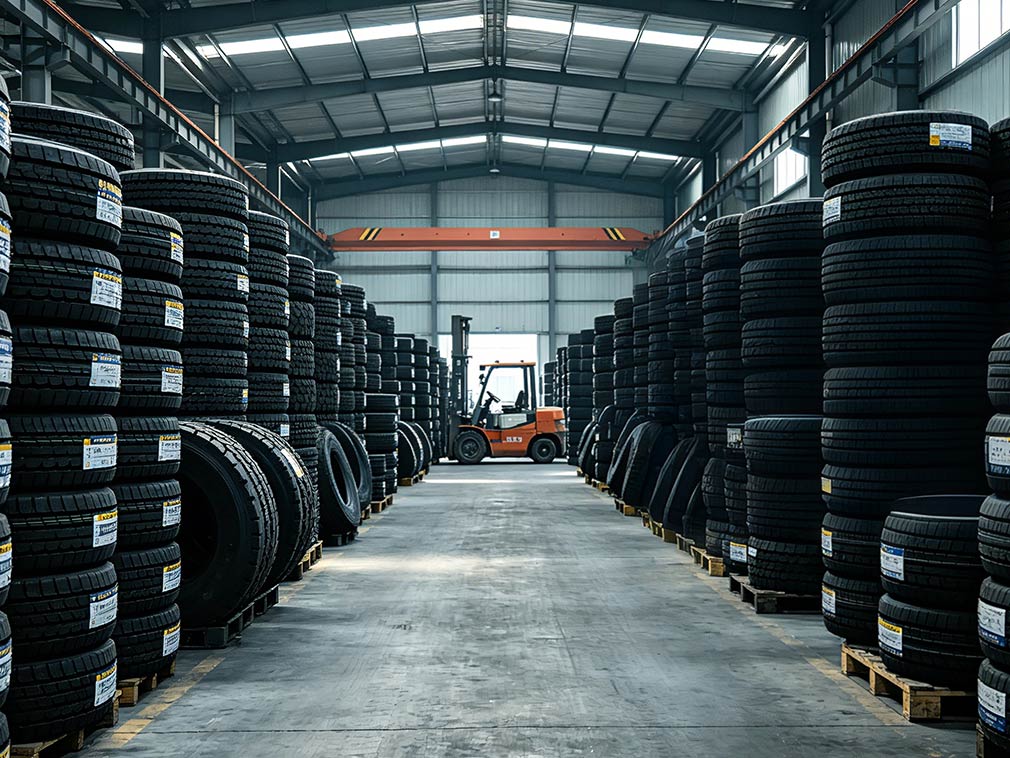
Demand contraction coupled with holiday maintenance leads to a sharp drop in operating rates
The direct cause of the plunge in operating rates lies in the continued slowdown in end-user shipments and the concentrated maintenance of production lines by companies during the Dragon Boat Festival holiday. The Dragon Boat Festival holiday in 2026 falls around June 19th. Many tire companies are taking this opportunity to conduct equipment maintenance, adjust work schedules, and suspend production, proactively reducing output to cope with increasingly serious inventory backlogs.
It is understood that affected by sluggish growth in passenger car retail sales and weak replacement market demand, the inventory turnover days for semi-steel tires remain high, with some companies facing significant inventory pressure, forcing them to reduce production to alleviate the supply-demand imbalance.
On the end-market side, no obvious peak season characteristics appeared at the end of the second quarter. While the mid-year "618" shopping festival boosted some online traffic, it mainly focused on clearing old inventory at low prices, with limited impact on new factory orders. Feedback from the distribution channels indicates a significant weakening of terminal stores' willingness to stock up; most dealers only replenish stock in small batches when there is a shortage, and dare not hold inventory, resulting in a negative cycle of "the less sales, the less stock."
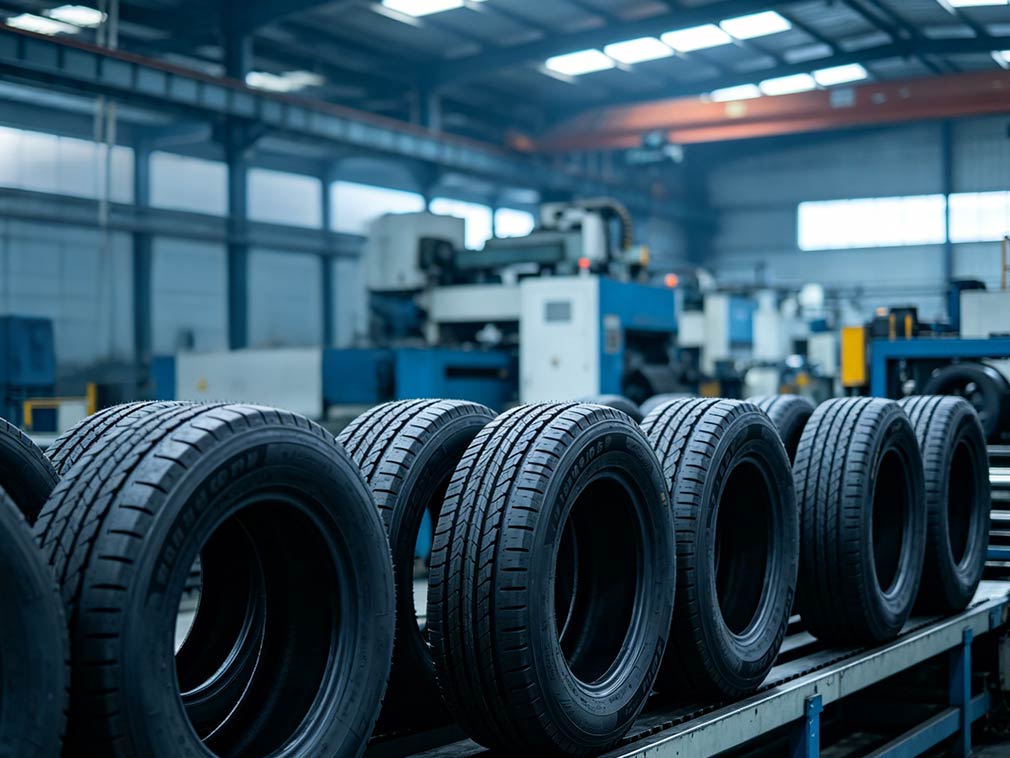
Upstream costs remain high overall, deeply squeezing corporate profits
The decline in operating rates is also accompanied by persistently high raw material costs. Since the beginning of this year, the natural rubber market has been significantly impacted by factors such as weather disturbances in overseas production areas, shipping fluctuations, and adjustments in global demand expectations, resulting in a marked upward shift in the price center. In the carbon black sector, the prices of raw materials such as high-temperature coal tar have remained firm, providing strong cost support.
Similarly, the production costs of synthetic rubber are difficult to reduce due to persistently high prices of major monomers such as butadiene. Even with a slight decline in some raw material futures prices in mid-to-late June, the overall cost of tire production remains at a relatively high level in recent years.
Surveys by multiple market institutions show that the production cost of a single semi-steel tire has increased significantly compared to the same period last year, with many small and medium-sized enterprises already at the break-even point or even in the quagmire of losses. Even leading companies are only able to maintain a slight profit.
Price increase notices have encountered a price war in the distribution channels, resulting in a severe disconnect between "manufacturers raising prices and retailers lowering them"
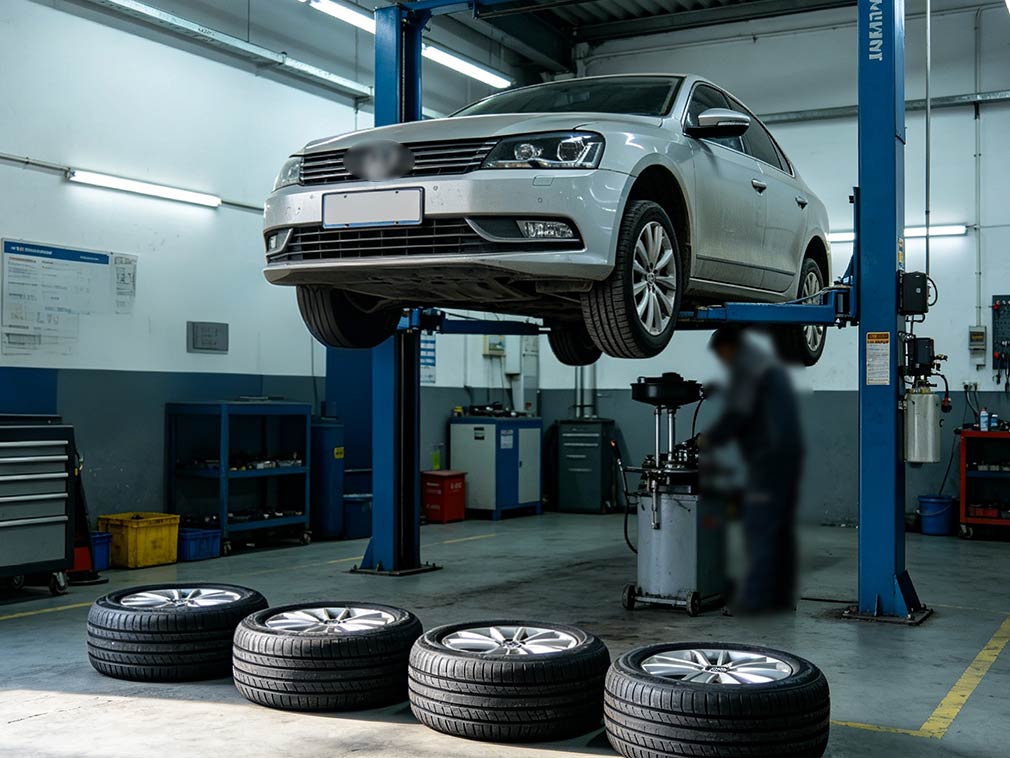
To alleviate cost pressures, since May, several leading tire companies have successively issued price adjustment notices to distributors, raising prices for replacement market products by 2% to 5%. However, the actual implementation effect of the price increase policy has fallen far short of expectations. In the end-user market, fierce competition stems from product homogenization, with online and offline channels escalating price wars to gain market share.
Online platforms, leveraging subsidies and live-streaming promotions, have brought the actual price of some tire specifications close to or even lower than the traditional dealer's purchase price, severely impacting the price systems painstakingly built by manufacturers.
Distributors are in a particularly awkward position. On one hand, manufacturers are constantly issuing price increases, requiring compliance with the new prices; on the other hand, physical stores and online platforms are offering significant discounts. Some distributors, in order to meet quarterly sales targets and obtain rebates, are forced to absorb the price difference and sell at reduced prices.
This disconnect between "manufacturers openly raising prices while stores secretly lower them" has led to distorted market price signals, significantly compressed channel profits, and dampened the confidence of many small and medium-sized distributors, resulting in a wait-and-see attitude or even a reduction in scale. Industry insiders point out that if this price inversion continues, it will significantly damage the channel ecosystem and brand loyalty.
The short-term predicament is difficult to resolve, and the industry urgently needs to shift from "price consumption" to value balance
In summary, the current predicament facing the semi-steel tire industry is a typical manifestation of being squeezed from both the cost and demand sides. In the short term, if there is no substantial recovery in end-user retail and replacement demand, and inventory reduction remains sluggish, operating rates will likely remain low.
Some factories with weak cost control may further reduce their load or even temporarily halt production. While raw material costs have eased slightly, they have not yet formed a downward trend, and the recovery of corporate profits will take time.
For tire companies, simply issuing price increase notices to offset costs is no longer effective. They need to find breakthroughs in product differentiation, channel profit distribution, and lean manufacturing. At the same time, reducing inefficient price wars and shifting the industry from "trading volume for price" to competition centered on product performance and service may be a more sustainable path to overcome this downturn.
The market also expects that as downstream seasonal demand slowly recovers and raw material prices further return to reasonable levels, the disconnect between price increases and actual implementation will gradually be bridged.




