Pirelli Shifts Tire Output: US Up, Argentina Down
From North America to South America: Pirelli's Tale of Two Extremes
On June 30, 2026, Italian tire manufacturer Pirelli announced a new investment plan for the US market, with a total amount expected to reach $1 billion to $1.2 billion (approximately 8.1 billion RMB). This news has attracted attention not only because of the huge amount, but also because of its particularly unusual timing—at present, leading tire giants such as Michelin and Bridgestone are successively optimizing or reducing some of their US production capacity, while Pirelli has chosen to "go against the tide" and further increase its investment in North America.
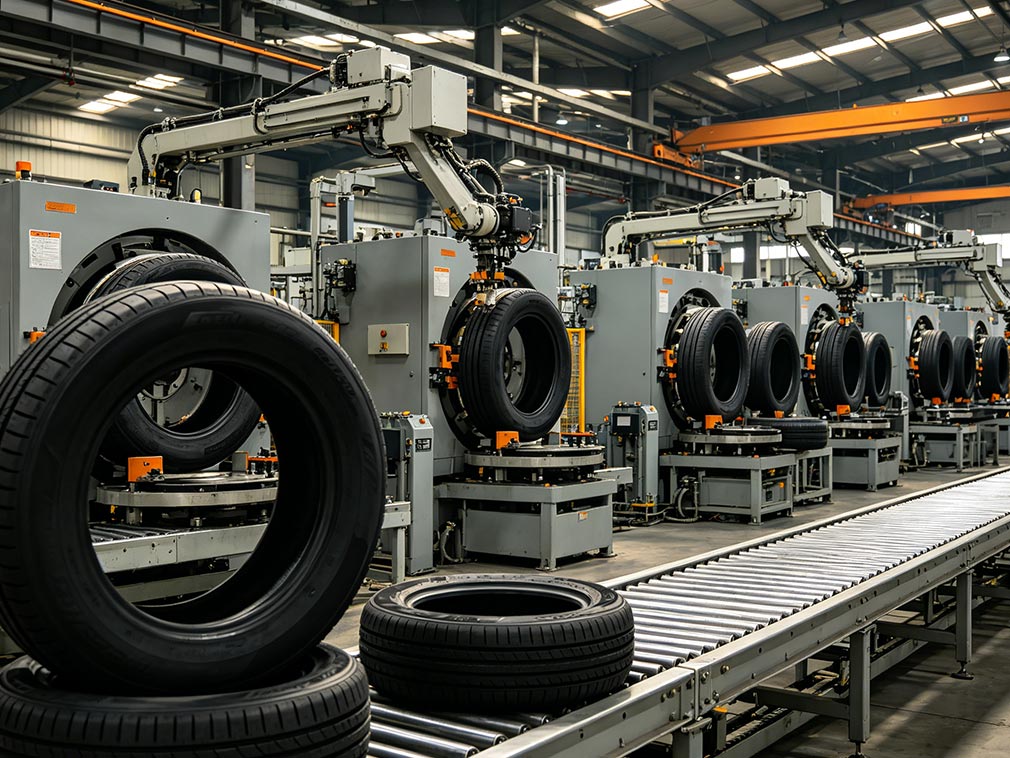
Why "go against the trend" and increase investment in the US?
To understand Pirelli's decision, it's essential to understand its market positioning. Unlike its competitors who pursue full-category coverage, Pirelli has long focused on high-value niche markets, namely large-size, high-performance passenger car and light truck tires, as well as original equipment manufacturing (OEM) business for supercars and luxury cars. These products have high per-vehicle value, significant technological barriers, and are relatively less affected by economic cycle fluctuations.
North America happens to be one of the regions with the strongest global demand for high-value tires. Large SUVs, pickup trucks, and the ever-expanding lineup of high-end electric vehicles continue to drive demand for high-performance tires 18 inches and larger.
Pirelli explicitly stated in its official announcement that this investment of up to $1.2 billion will be used to increase localized production capacity in North America to strengthen product supply, drive sales growth in high-value segments, and deepen its localization strategy. In recent years, uncertainties in the global supply chain, potential tariff barriers, and the urgent need for "local sourcing" by OEMs have made "localized production" a necessity for high-end tire suppliers. Pirelli's strengthening of its US factory is precisely to respond more nimbly to customers, shorten delivery cycles, and reduce the costs and carbon footprint of intercontinental transportation.

Turning Tires into "Data Organs"
Even more noteworthy is a technology specifically mentioned in the investment—the Cyber tire. This is not a traditional rubber product, but a smart tire system integrating sensors and communication modules. In simple terms, Cyber tires can collect real-time data on tire pressure, temperature, tread wear, road adhesion, and even load, transmitting this information to the vehicle's dynamic control system via a low-latency communication network.
With the accelerated adoption of intelligent driving and connected vehicles, tires are no longer just passive consumables, but have become "data organs" for vehicles to perceive the road surface. Pirelli's inclusion of Cyber tire technology development in its North American investment is clearly a forward-looking strategy to meet the needs of next-generation intelligent vehicles and high-end electric vehicles. This will not only help solidify its position in the high-value-added original equipment market but also potentially open up new business models based on tire data services.
The Predicament of the Argentine Factory
In stark contrast to its North American ambitions, Pirelli is facing difficulties in South America. From May 25th to June 5th, 2026, Pirelli's factory in Argentina temporarily suspended production. According to multiple sources, the factory has laid off approximately 700 employees since 2023. Currently, the factory's daily output is maintained at 3,500 to 4,000 tires, while ten years ago (in 2013), the daily output was as high as 18,000 tires. A simple calculation shows that the daily output has decreased by a staggering 78% in ten years.
Behind this production contraction lies Argentina's persistently pressured macroeconomic environment. Prolonged high inflation, sharp currency depreciation, coupled with strict foreign exchange controls and import restrictions, have made it difficult for tire manufacturers, which rely on some imported raw materials, to operate.
On the one hand, local labor and energy costs continue to rise; on the other hand, domestic new car sales and replacement demand are suppressed, and exports have lost competitiveness due to exchange rate fluctuations and logistics costs. Under this pressure, the factory's capacity utilization rate has repeatedly declined, and phased shutdowns and personnel adjustments have become the company's unavoidable choice to balance survival costs.
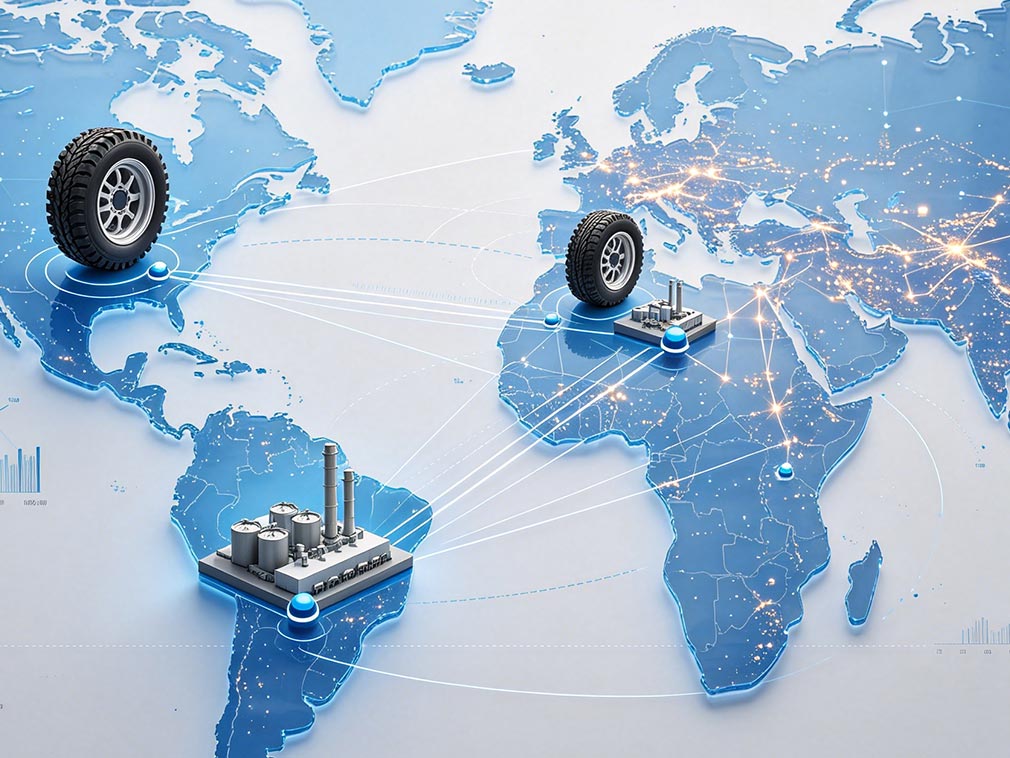
The Strategic Choices of Global Layout
With its north and south, its advance and retreat, Pirelli's dual picture precisely reflects the structural challenges facing the global tire industry and even the entire manufacturing sector: in a world full of uncertainty, capacity layout must be more precisely matched with high-value locations.
North America represents structural growth driven by premiumization, intelligent technology, and electrification, making it a worthwhile region to invest heavily in for the future. However, in regions experiencing macroeconomic turmoil and shrinking market demand, even former key locations are forced to scale back operations to maintain overall financial health.
For ordinary consumers, this adjustment may mean that some high-performance models launched in North America will soon be equipped with locally produced Pirelli tires, and smart tire technology is expected to gradually penetrate from top-of-the-line models to the mainstream market.
The predicament of the Argentine factory is a microcosm of the struggles faced by global companies navigating an uneven recovery. How to effectively address profound changes in regional markets while pursuing high-value innovation is a long-term challenge for Pirelli and many multinational manufacturing companies.