
Tire Raw Material Costs Remain High
In June 2026, the domestic natural rubber market reversed its previous upward trend, experiencing a price decline that lasted for several days. Market prices gradually fell from 18,000 yuan per ton at the beginning of the month to 16,700 yuan per ton, a drop of 1,300 yuan per ton, indicating a significant cooling of market activity in the short term.
Despite the price correction, current prices remain relatively high compared to recent industry trends, and the cost pressures faced by the industry have not been substantially alleviated, leaving businesses under continued pressure. Industry statistics show that the overall production cost of natural rubber in 2026 increased by nearly 30% compared to the same period last year. Costs across all stages, including planting and management, raw material processing, and cross-border transportation, have generally risen, continuously placing a significant raw material cost burden on downstream tire and rubber product companies.
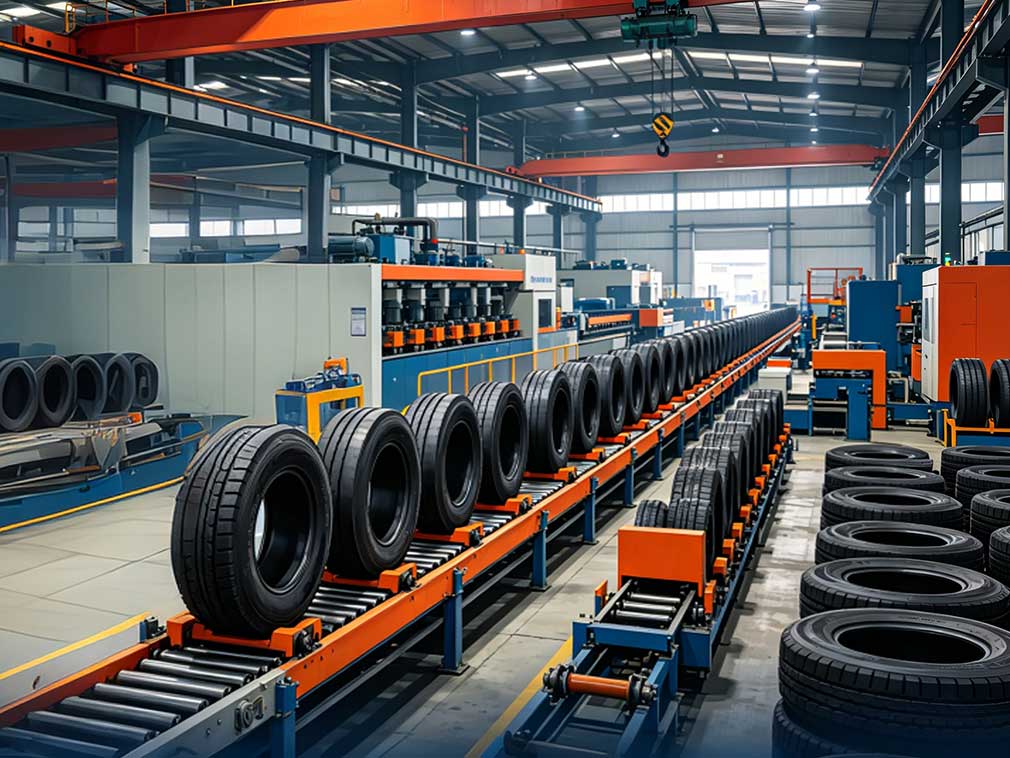
This round of natural rubber price decline does not represent a complete reversal of the supply and demand pattern, but rather a temporary adjustment triggered by the convergence of multiple short-term factors. On the supply side, June marked the start of the peak rubber tapping season in key Southeast Asian rubber-producing regions such as Thailand and Vietnam. Stable weather and abundant rainfall in these areas facilitated latex production, leading to a steady increase in raw material latex output and a significant easing of the global natural rubber spot supply.
Simultaneously, tapping began in Hainan, China's main rubber-producing region, continuously releasing domestically produced rubber into the market, effectively replenishing domestic spot inventories and alleviating the previous tight supply situation. Coupled with adjustments to the delivery rules for TSR20 rubber, the number of deliverable resources increased, weakening bullish sentiment in the capital market and prompting some arbitrageurs to close their positions, further pushing rubber prices downward.
The core reason for this price decline is the traditional off-season for downstream demand. June is typically a slow season for the domestic tire industry. The rainy season in southern China brings humid and hot weather that directly impacts tire production processes and finished product storage, restricting factory production. At the same time, weak demand in supporting markets such as infrastructure and logistics further drags down tire consumption.
As a result, the operating rate of domestic all-steel and semi-steel tire manufacturers declined significantly month-on-month in June. Most tire factories maintained only basic demand purchases, with little willingness to actively replenish inventory. Finished product inventories continued to accumulate, and the market purchasing atmosphere was relatively weak, directly suppressing the market demand for natural rubber and causing rubber prices to return to a reasonable range.
Even with the decline in natural rubber prices, the industry's high-cost predicament remained unresolved. The ongoing geopolitical conflict in the Middle East, lasting for several months, added new pressure to the entire tire industry. The instability in the Middle East directly disrupted the global energy and chemical supply chain, with frequent fluctuations in international crude oil prices driving up the prices of upstream raw materials for synthetic rubber.
The steady rise in synthetic rubber prices, combined with the high prices of natural rubber, created dual cost pressures, further increasing the operational difficulties for tire companies with already thin profit margins. As two core raw materials for tire production, the simultaneous rise in the prices of both types of rubber significantly compressed corporate profit margins, especially for small and medium-sized tire factories with weaker risk resistance, where the operational pressure was even more pronounced.
The price increases by overseas raw material companies also further exacerbated the upward pressure on costs in the domestic rubber industry chain. Resonac, a leading Japanese synthetic rubber manufacturer, announced that due to a significant increase in raw material costs caused by the situation in the Middle East, it will raise the price of its Showprene chloroprene rubber product by no less than 50 yen per kilogram, equivalent to an increase of over 2 yuan, effective July 1, 2026.

This price increase will be implemented across all its global partners. Chloroprene rubber is widely used in high-end industrial tires, automotive sealing components, and specialty rubber products, and is a key raw material for the production of high-end rubber products. This price increase will inevitably further raise the production costs of mid-to-high-end rubber products in China.
Looking at the current market performance, the domestic rubber market in 2026 is characterized by a phased correction in natural rubber prices, continued price increases in synthetic rubber, and high costs across the entire industry.
In the short term, with continued abundant harvests in Southeast Asia and the lingering off-season demand for tires, natural rubber prices are likely to continue their weak and volatile trend. However, it should be noted that current rubber prices are still at a high level in recent years, coupled with a significant year-on-year increase in raw material production costs, making it difficult for the industry to enter a low-cost operating cycle in the short term.
In the long run, uncertainties surrounding Middle East geopolitical conflicts, instability in the global chemical supply chain, and potential risks such as extreme weather in major producing regions will continue to support high rubber raw material prices.
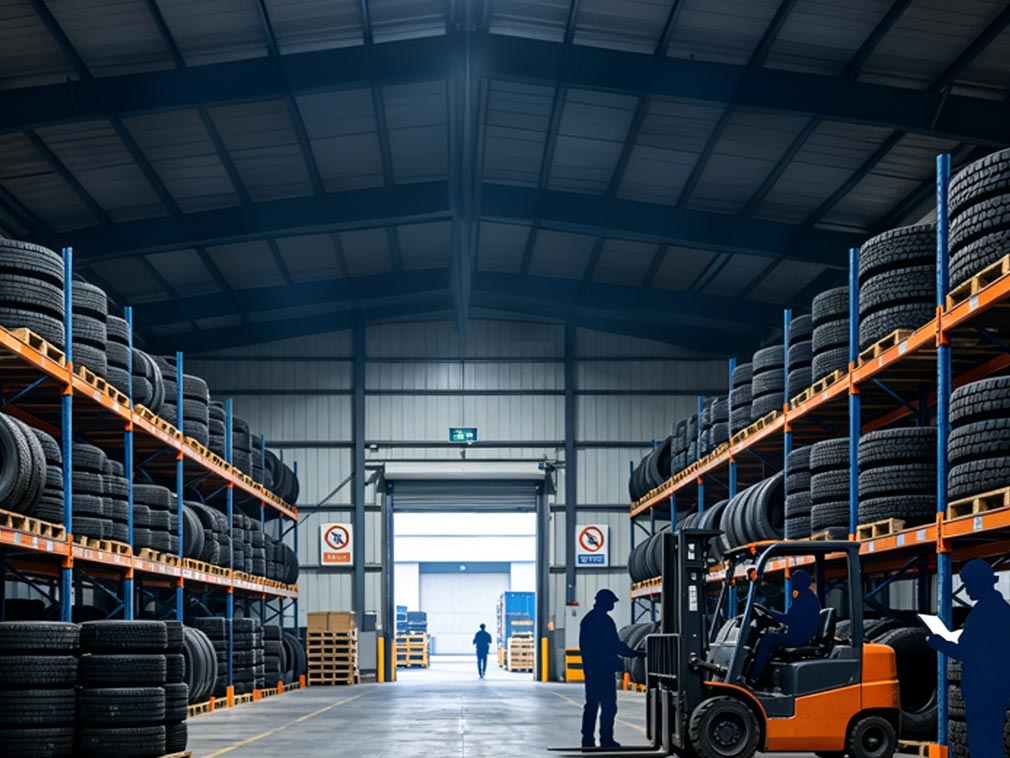
Based on the current industry situation, tire companies will face sustained pressure from dual raw material costs, and the pace of industry consolidation may accelerate. Leading companies will leverage their stable supply chains and economies of scale to offset cost pressures, while small and medium-sized producers will continue to bear the brunt of the pressure, further slowing the recovery of profitability in the entire rubber and tire industry.




