Why does overloading cause tire damage?
Overloading is a major human-caused cause of tire damage and a sudden reduction in tire lifespan, and a key factor in tire failures and road safety hazards in freight vehicles. Unlike slow, routine wear and tear such as abnormal tire pressure and road surface abrasion, overloading causes sudden, severe, and often irreversible damage to tires. Long-term overloading disrupts the overall structural stability of the tire, accelerating tire wear and easily triggering sudden malfunctions, seriously threatening driving safety.

When a vehicle is overloaded, the actual load exceeds the manufacturer's rated load capacity. The excess weight is concentrated on the tires, causing them to bear a load far exceeding their design limits. The tire body is forcibly compressed, resulting in significantly increased deformation. Under normal vehicle load, tires only undergo moderate elastic deformation, with the tread flat against the road surface, resulting in even rolling wear and a slow rate of wear.
However, under overload conditions, the tires bear the increased weight of the vehicle, passively increasing the contact area with the road surface. During driving, the tire tread and the road surface no longer roll smoothly, generating significant sliding friction and drag wear, drastically accelerating tire wear.
Based on long-term practical experience in the auto repair industry, overloading a vehicle by 20% can shorten tire lifespan by approximately 30%; overloading by 40% can halve tire lifespan. Long-term, high-frequency overloading can lead to premature tire aging, peeling, and damage.
Compared to surface tread wear, overloading causes more severe damage to the tire's internal structure, with most damage concentrated in the weaker sidewalls. The sidewall is the core component for cushioning bumps and adapting to deformation.
During overloaded driving, the sidewall undergoes repeated and significant bending, compression, and stretching, constantly operating under excessive load. This easily leads to abnormal uneven wear on the tire shoulders, and a rapid increase in internal tire temperature.
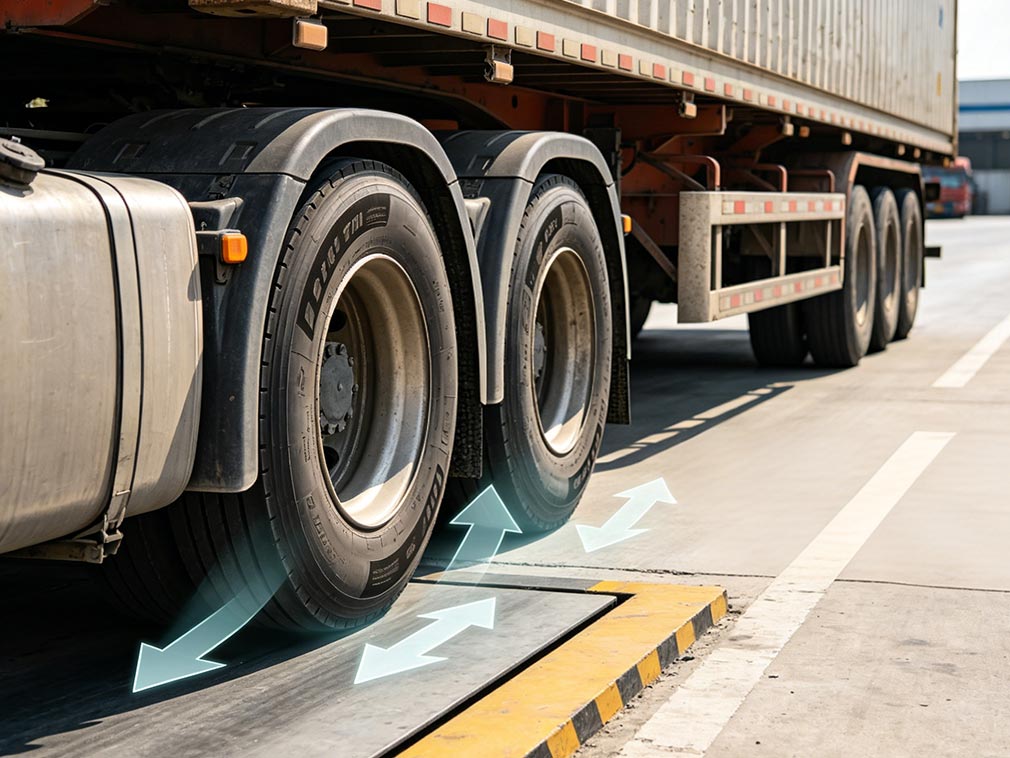
The tire's support primarily relies on the internal ply and steel cord layers. Continuous high-pressure deformation and high-temperature environments gradually damage the adhesion between the ply and rubber, leading to delamination, loosening, and cracking. In severe cases, this can cause cord breakage and tire bulges.
In addition, high temperatures accelerate rubber hardening and aging, causing tires to lose their original toughness and wear resistance, and significantly reducing their impact resistance. When driving over potholes or crushing gravel, tire tread cracking and sudden blowouts are highly likely.
From actual road driving conditions, tire damage caused by overloading has very clear vehicle type characteristics. Passenger cars and small commuter vehicles almost never experience this problem; the vast majority of failures occur on large freight vehicles such as semi-trailers, heavy trucks, and dump trucks.
Many freight operators habitually overload their vehicles to increase transport profits, ignoring the load-bearing limits of the vehicles and tires, causing tires to operate under excessive loads for extended periods. This is the main reason why the tire failure rate and blowout accident rate of freight vehicles are much higher than those of ordinary private cars.
Furthermore, long-term overloading not only damages tires but also increases the burden on the vehicle's braking and suspension systems, triggering a chain reaction of failures and further exacerbating driving safety risks.
To fundamentally reduce tire damage caused by overloading, the core is to strictly control vehicle load and eliminate overloading. Accurately checking tire load capacity is the foundation of load control. The maximum load capacity of each tire is a fixed standard set by the manufacturer. This data can be directly viewed on the tire sidewall markings, which clearly indicate the load index and the corresponding maximum load value. This is the most direct and authoritative basis for judging the tire's load-bearing capacity.
It is crucial to note that the maximum load capacity of a single tire is not directly equivalent to the total vehicle load capacity. The overall tire load capacity of the vehicle is calculated by multiplying the maximum load capacity of each tire by the total number of tires in the vehicle.
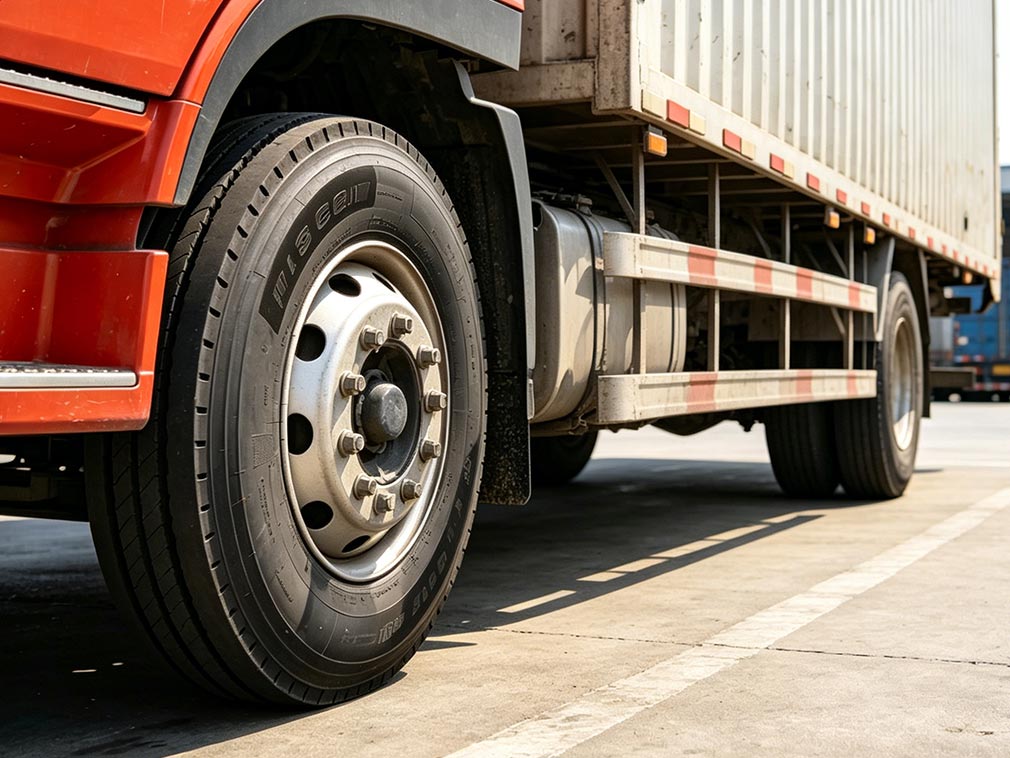
Whether for daily commuting or freight operations, it is essential to strictly adhere to the total tire load capacity and the vehicle's rated load capacity standards, and overloading must be strictly prohibited.
For freight vehicles that frequently operate under heavy loads, it is also important to develop a habit of regularly inspecting the tires, focusing on whether there are abnormal deformations on the tire sidewalls, uneven tread wear, or abnormal tire overheating, and proactively identifying and addressing hidden faults such as delamination of the tire ply and rubber aging.
Proper loading and compliant driving can effectively reduce tire wear, lower vehicle maintenance costs, and extend the service life of tires and vehicle parts. It can also prevent safety accidents such as tire blowouts and loss of vehicle control from the source, ensuring stable and safe driving throughout the journey.