
EU Tyre Labels Confuse, Not Help
Tire labeling regulations are a mainstream regulatory approach used by various countries to standardize the tire market and protect consumers' right to know. The EU's tire labeling law was originally intended to address the lack of transparency in product information by standardizing labeling and disclosing key performance indicators such as rolling resistance, wet grip, and road noise. This would allow ordinary consumers to easily compare the performance differences between different tires and choose the one that best suits their needs.
Simultaneously, this system aimed to incentivize tire manufacturers to improve their product processes and enhance the overall quality of tires in the European market. However, judging from its implementation over the years, this system, originally intended to benefit the consumer market and improve industry quality, has not achieved its full potential. Overly complex rules and regulations have contradicted its original design principles of convenience and benefit, causing difficulties for tire manufacturers and leaving consumers confused when choosing tires.
Tyres Europe has long monitored the implementation and effectiveness of EU tire industry regulatory policies. On June 25, 2026, the association released a new official statement, providing professional industry-level evaluations and suggestions for improvement regarding the EU's current tire labeling rules and the new comprehensive energy labeling scheme.
In its statement, the association affirmed some of the highlights of the European Commission's comprehensive energy labeling scheme, acknowledging its positive role in unifying energy labeling standards, improving the disclosure of green products, and promoting the low-carbon transformation of the tire industry. It believes the adjustments align with the EU's overall green development strategy and are in line with the long-term direction of sustainable development for the tire industry.
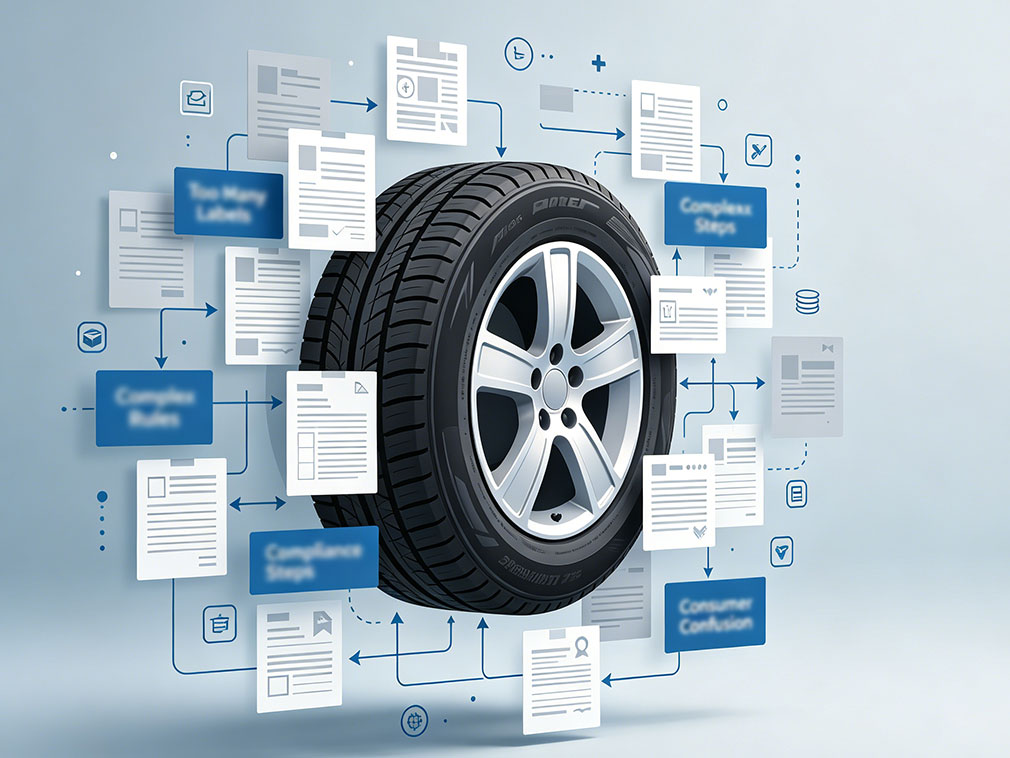
At the same time, the association directly pointed out the core problems of the current tire labeling law, severely criticizing the redundant and cumbersome regulatory content in the current system. With the continuous updates and iterations of the EU tire regulatory system, various supporting rules and supplementary regulations have been continuously added, making the current labeling regulatory system increasingly fragmented and complex.
The parallel implementation of multiple regulations and overlapping content have not only failed to improve regulatory efficiency and standardize industry order, but have also significantly increased the compliance costs and operational pressure on tire manufacturers.
The originally simple and clear product labeling and filing process has now become cumbersome and complicated. Companies need to repeatedly submit materials and go through redundant processes at each stage, including label production, information entry, compliance reporting, and product filing, directly reducing the overall production and operational efficiency of the tire industry.
For ordinary consumers, the overly complex labeling rules also bring many inconveniences. Early tire labels were concise and intuitive, clearly displaying core performance parameters. However, after numerous rule updates, the label pages have become cluttered with detailed data, technical jargon, and various compliance markings.
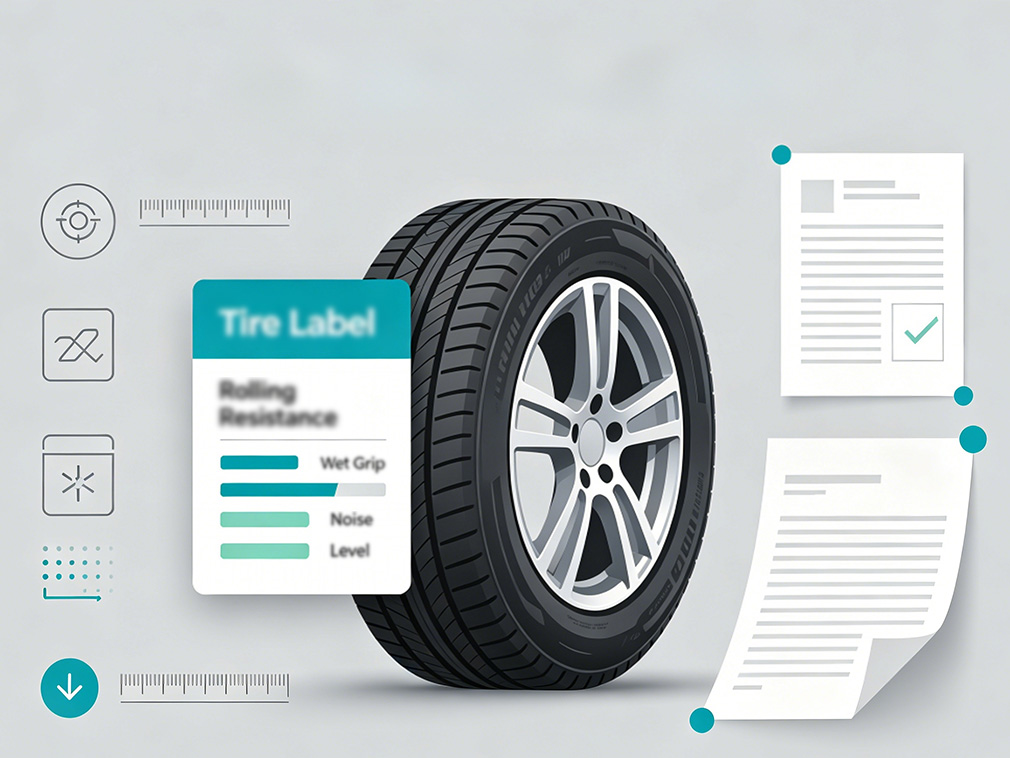
Most consumers lack tire expertise and struggle to quickly sift through the complex information to identify key selection criteria such as wet road safety, fuel efficiency, and road noise. What was originally intended as a consumer information tool to lower the barrier to entry has gradually become an obscure compliance document, completely losing its core function of facilitating consumer purchases. This is the key reason for the significant decline in the practicality of tire labels.
In response to the industry's operational pain points, the European Tire Association (ETA) has explicitly proposed optimization and reform suggestions in this statement, calling on EU regulators to simplify the existing tire labeling regulatory system. The association recommends eliminating redundant administrative review processes, repetitive reporting procedures, and meaningless disclosure clauses, optimizing the regulatory model with "quality improvement and burden reduction" as the core.
While strictly retaining essential disclosure content such as core tire performance, safety indicators, and environmental parameters, the association proposes consolidating fragmented and overlapping regulatory rules, unifying label disclosure standards, and eliminating formalistic and valueless regulatory processes. By optimizing and adjusting the system, the compliance pressure on enterprises is effectively reduced and the difficulty for consumers to access information is simplified while strictly adhering to product quality, environmental protection, and safety standards.
From the latest industry regulatory developments, the EU is promoting the upgrading of tire industry regulations based on the Sustainable Product Ecodesign Regulation (SPER), and will subsequently add several disclosure requirements, including the proportion of recycled materials, the carbon footprint throughout the product lifecycle, and the control of hazardous substances.
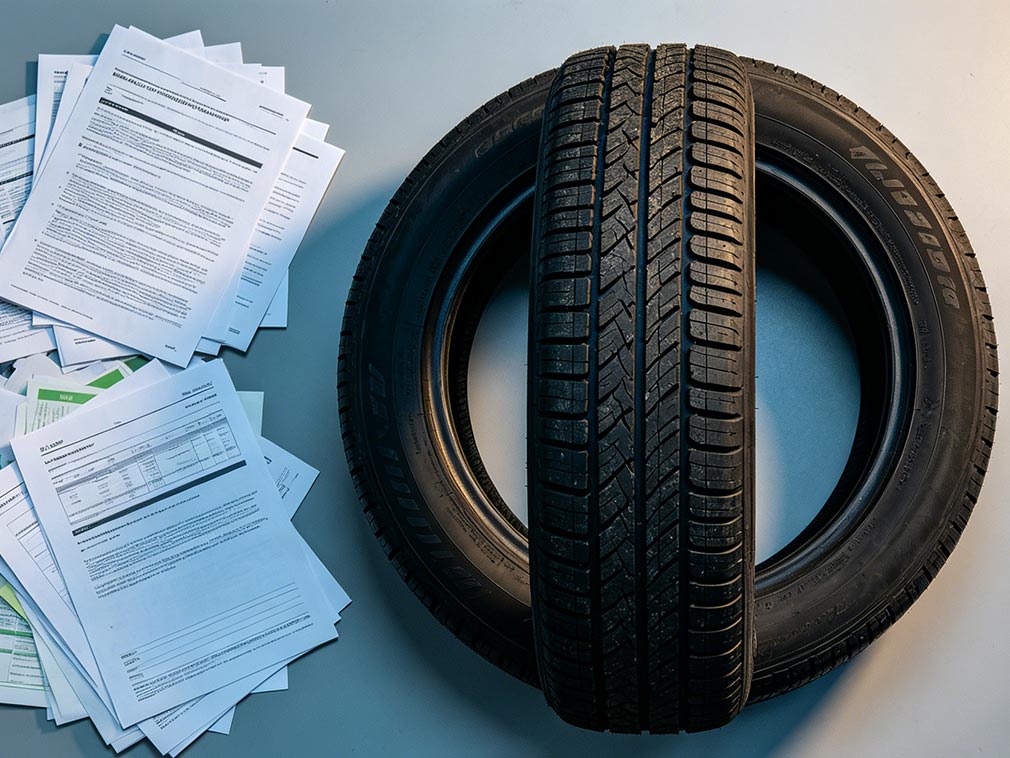
Against the backdrop of continuously upgrading regulatory standards, the European Tire Association's demand for simplification is of great practical value. It can effectively avoid the overload of overlapping old and new regulatory rules and prevent the industry from falling into a vicious cycle of "the more comprehensive, the more cumbersome."
Industry insiders stated that the essence of the tire labeling system is to disclose product information and serve market development, rather than piling up formalistic compliance procedures. Streamlining redundant rules and focusing on core information disclosure are essential for this regulatory system to return to its original design purpose, truly facilitating consumer purchases, standardizing industry development, and promoting high-quality upgrading of the tire industry.




