Tire Strategy: Old vs New Product
Strategic Crossroads: Managing Legacy and New Tire Products in an Era of Accelerated Iteration
By 2026, the tire industry is caught in a cycle of relentless acceleration. Driven by the rapid adoption of new energy vehicles (NEVs) and continuous breakthroughs in material science, product upgrade rhythms have tightened dramatically. Low rolling-resistance compounds, silent foam structures, and high-load EV-specific tread patterns are refreshed at a pace of one to two full product line upgrades per year among top-tier brands.
This speed presents every manufacturer with a defining strategic choice: once a next-generation product launches, should the legacy tire remain on sale, building a high-low product gradient, or should it be discontinued outright to concentrate all resources behind the new offering?
Neither path is universally superior. They rest on two fundamentally opposing business logics—one anchors itself in diverse user demand, the other in consolidated production and channel efficiency. Offering old and new tires side by side has become a normalized means for the industry to balance user experience with operational effectiveness.
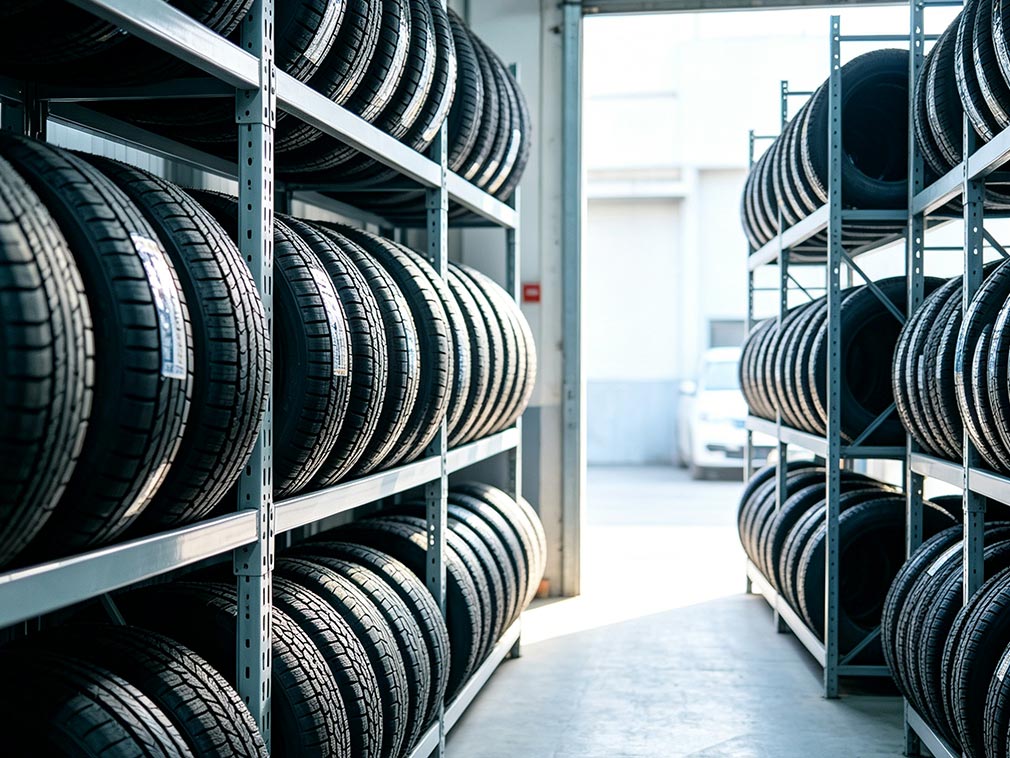
The case for retaining legacy tires: serving a layered aftermarket
The decision to keep older models in the market is rooted in the sheer scale and stratification of China’s replacement tire demand. By the end of 2025, the country’s passenger vehicle parc had surpassed 320 million units, with internal combustion engine (ICE) vehicles still accounting for over 80%. These legacy ICE vehicles remain the backbone of replacement consumption, and their owners split sharply by budget, usage scenario, and performance expectations.
Cost-conscious family car users prioritize durability and acquisition cost over advanced features like ultra-low noise or rolling resistance. For them, a market-proven, lower-priced legacy tire fits perfectly. High-frequency, cost-sensitive segments such as ride-hailing and short-distance freight similarly lean toward mature, affordable models to control operating expenses. By contrast, newly developed tires—carrying R&D costs for novel formulations and processes—carry premium price tags and primarily target NEV owners and middle-to-high-end consumers who value refined driving experiences.
Maintaining old and new products in parallel builds a complete price ladder that covers all consumer tiers while improving channel partners’ operational resilience. Feedback from tire retail outlets indicates that new tires, with low price transparency, offer higher per-unit margins but require lengthy market education; legacy models enjoy a solid user base and move quickly, stabilizing footfall. The two complement each other. From an inventory perspective, layered pricing allows legacy stock to be gradually absorbed.
Tires manufactured in the same year but from old and new generations can command a price spread of over RMB 100. Pragmatic buyers willingly choose older-stock tires, helping manufacturers recover working capital faster and avoid the storage footprint and financial burden of long-term warehousing. In lower-tier markets and county-level stores, a single new product cannot sustain customer traffic; a mature legacy range is often the key to maintaining channel loyalty.
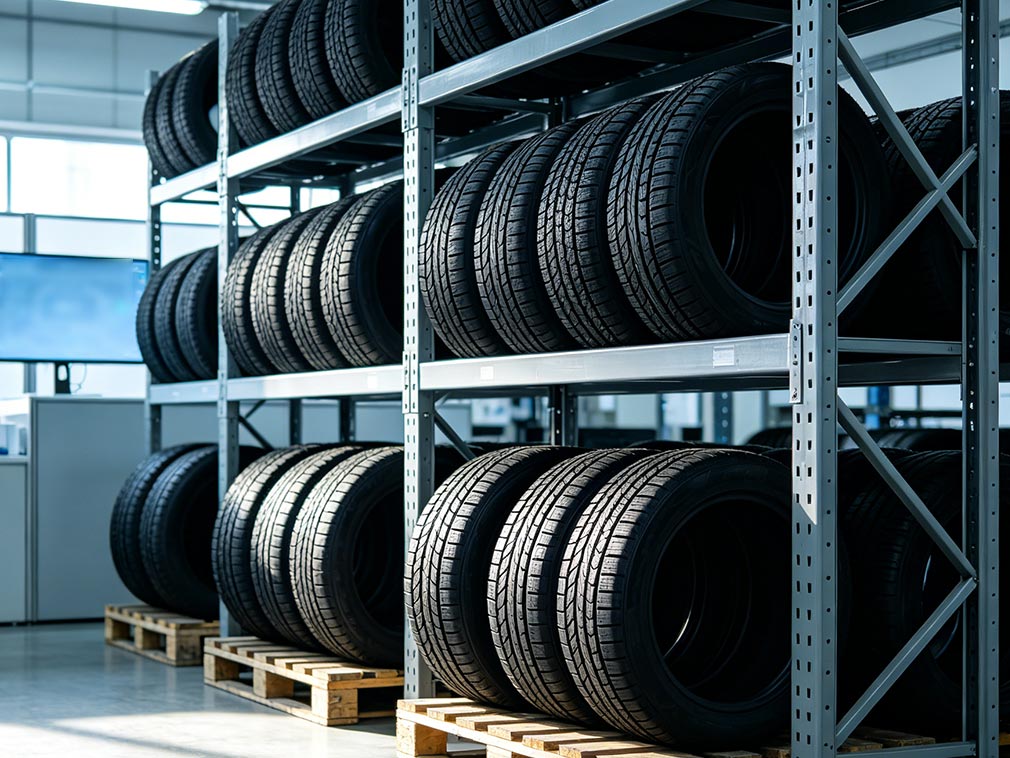
The price of coexistence: operational complexity
Yet sustaining multiple product generations over the long term continually inflates enterprise-wide operating costs—and this is precisely why many players opt for direct discontinuation. On the production side, running parallel models requires maintaining multiple sets of molds and differentiated rubber compounds. Frequent changeovers erode production line utilization rates, increase raw material waste, and raise labor costs.
Digital inventory data reveal a direct correlation: the more complex the product line, the higher the risk of slow-moving obsolescence. An excess of specifications and tread patterns complicates warehouse zoning, stock-taking, and transfer procedures, significantly inflating hidden warehousing and logistics expenses.
In the channel, too many SKUs dilute dealer working capital, while limited store storage space prevents full-market coverage—easily creating a damaging imbalance of out-of-stocks on some specifications and overstock on others.
The argument for discontinuation: focus and resource consolidation
By 2026, several leading companies have already implemented strategies to streamline portfolios and phase out legacy products in an orderly manner. Sumitomo Rubber began systematically halting production of legacy truck and bus tires in China in 2023, concentrating capacity and R&D on all-new patterns designed for new energy passenger cars, channeling all R&D, production, and distribution resources into a focused new-generation lineup.
Goodyear earlier discontinued the first-generation Wrangler SUV tire, ceasing old tread production and shifting all capacity to the upgraded second-generation product, simplifying its global supply chain flow. The logic behind such strategies is resource focus through simplification: a single mainstream new product achieves economies of scale, drives down unit manufacturing costs, unifies channel promotional policies, reduces dealer stocking complexity, and concentrates communication spend to build sharp product recognition while minimizing consumer confusion.
In the new energy tire segment, the advantages of this approach are even more pronounced. EV tires require specialized carcass structures, dedicated silica compounds, and silent technology processes. Spreading production capacity across legacy ICE tires simultaneously slows the pace of next-generation technological iteration.
That said, outright discontinuation carries real market-loss risk. A mature legacy tire, built over years of market presence, accumulates a loyal user base. If production stops abruptly, budget-sensitive customers can easily migrate to rival budget products. Meanwhile, many older vehicle models need specific sizes with limited coverage; if the new range does not fully cover all niche dimensions, gaps appear where dealers have nothing to sell—damaging brand coverage in the replacement market.
For this reason, most companies do not adopt an all-or-nothing cut-off. Instead, they deploy a transitional approach: stop new production scheduling for the legacy model, allow existing inventory to sell through and exit naturally, and during this phase complete the new range’s full size coverage. This balances inventory absorption with market continuity while fully honoring after-sales and warranty obligations on legacy products, safeguarding consumer rights.
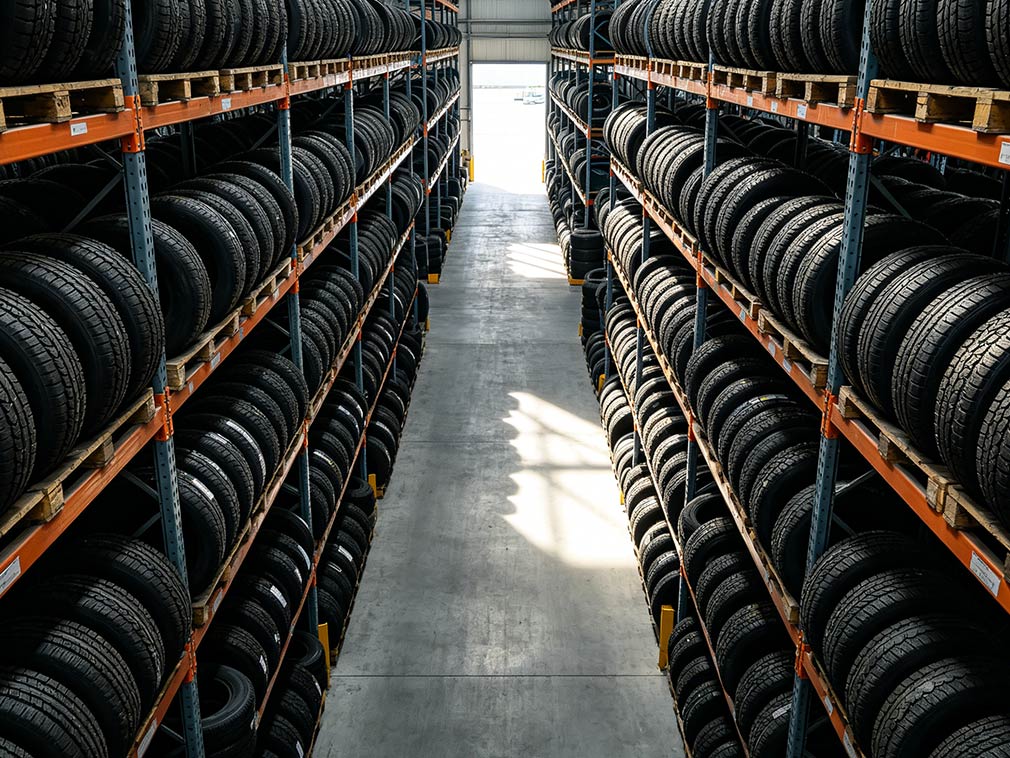
A converging mainstream: not “keep or kill,” but dynamic balance
From the vantage point of 2026, the strategies of coexistence and discontinuation are converging toward a pragmatic fusion that is becoming the dominant management philosophy. In premium new energy and high-performance segments, new products take the lead with rapid iteration and timely clearance of older stock. In mass-market family and economy commuter segments, mature legacy tires are retained to form a high-low product architecture.
The core objective for tire companies has never been a binary choice between “keep” or “discard.” It is to dynamically balance both sides according to product positioning, target customers, and capacity scale: using legacy tires to stabilize the base market and digest existing inventory, while leveraging new products to capture high-end incremental growth and drive brand elevation.
The sustainable path forward lies in striking an equilibrium between diverse user needs and lean operational efficiency—a balance that fits a tire market where replacement stock and fresh demand move forward together.