
China vs Japan: The Global Tire Industry Competition Unveiled
He competition between China and Japan in the global tire sector is no longer a simple comparison of operating revenue, production capacity and factory quantities. Instead, it has evolved into a comprehensive game covering industrial structure layout, technological innovation capability, enterprise operation strategy and global supply chain discourse power.
As two core manufacturing bases dominating the global tire market, China and Japan jointly occupy more than half of the world’s total tire production capacity. Driven by the global new energy vehicle transformation wave from 2025 to 2026, the differentiated development paths and competitive advantages of the two industries have become increasingly prominent, reshaping the competitive landscape of the global tire market.
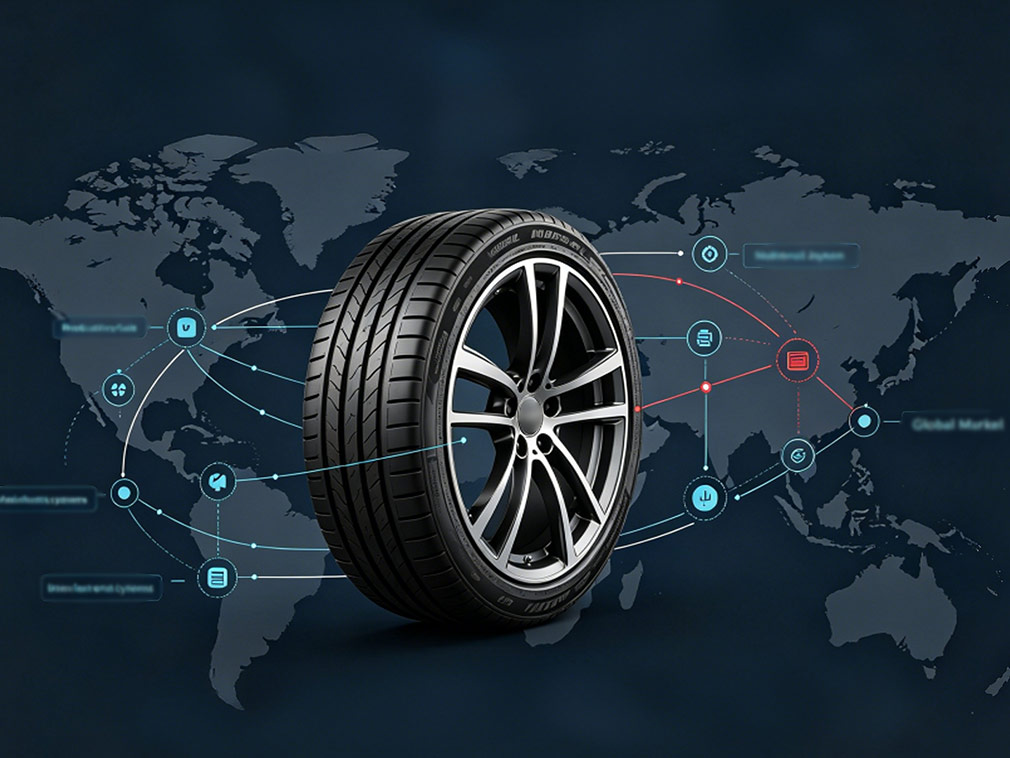
In terms of overall industrial scale and market concentration, the two markets present completely opposite development characteristics. China ranks first globally in tire output, contributing 35% of the world’s total tire production capacity with dozens of complete tire manufacturers and widespread production bases. Nevertheless, the Chinese tire industry faces prominent structural problems: scattered market players, redundant backward low-efficiency capacity, and severe homogeneous price competition.
According to the 2025 financial reports of leading domestic tire enterprises, the top three manufacturers—Zhongce Rubber, Sailun Group and Linglong Tire—recorded operating revenues of RMB 44.96 billion, RMB 36.80 billion and RMB 24.64 billion respectively. The overall market concentration remains far below the level of mature global tire markets. Massive small and medium-sized tire factories rely on low-price strategies to seize replacement market shares, resulting in a common industry dilemma of revenue growth without profit growth.
By contrast, Japan’s tire industry has formed a highly concentrated oligopolistic market dominated by three giants: Bridgestone, Sumitomo Rubber and Yokohama Rubber. There is almost no inefficient backward capacity or internal price competition in the Japanese market.
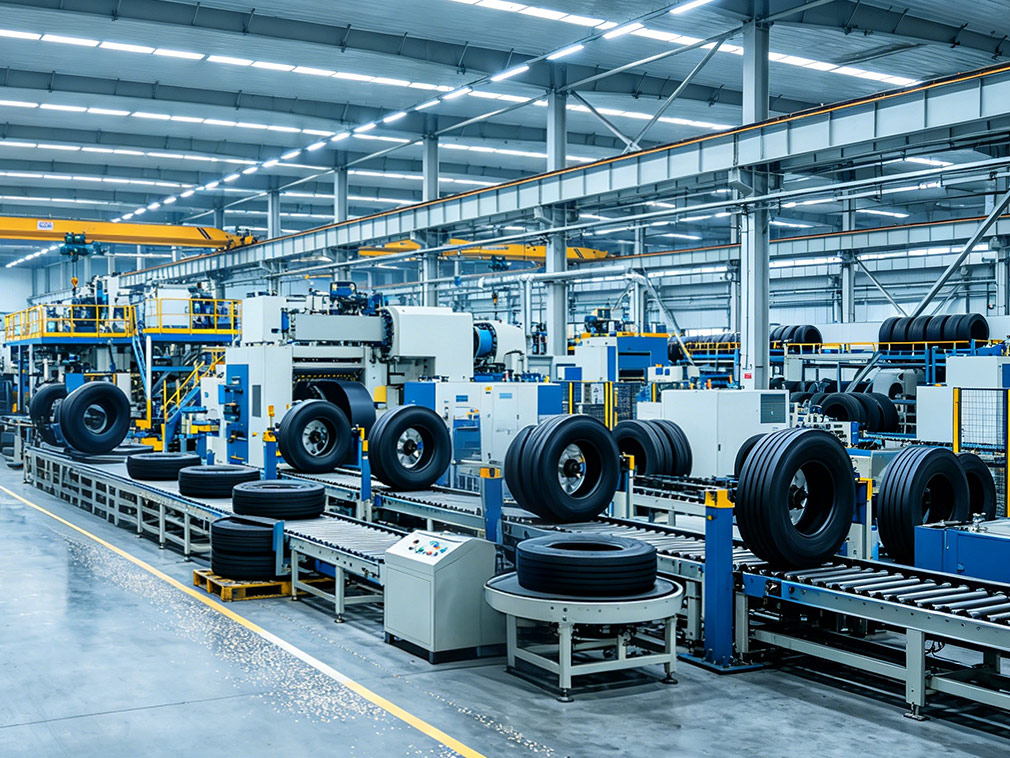
According to Q1 2026 global financial data, Bridgestone achieved a 5.2% year-on-year revenue growth and a sharp 41.7% surge in operating profit. Supported by centralized global R&D systems, integrated supply chain management and strict quality control systems, Japanese tire brands have long secured core positions in high-grade original equipment manufacturer (OEM) matching markets and high-end global replacement markets, with far higher single-plant profit margins than Chinese counterparts.
For China’s tire manufacturing industry, learning from Japan’s mature highly concentrated industrial development model is an inevitable path for industrial upgrading. In recent years, blind capacity expansion has dragged down the overall operating efficiency of China’s tire sector. The average operating rate of all-steel tires in China only reached 59% in 2025, with a large number of idle production lines restricting overall industrial profit margins.
Guided by market competition and industrial policies, the domestic tire industry needs to accelerate capacity elimination and merger and reorganization of small and medium-sized backward manufacturers with outdated production technology and substandard environmental protection standards.
Centralizing capital, R&D resources and global channel resources to cultivate world-class large-scale Chinese tire groups will effectively curb vicious internal price competition and improve the overall bargaining power and profitability of China’s tire industry in global trade.
Meanwhile, Chinese tire enterprises should avoid the inherent drawbacks restricting Japanese tire manufacturers’ transformation. Japanese tire enterprises have accumulated mature technical experience in formula design, wear resistance and noise reduction performance for traditional fuel vehicles. However, most Japanese tire groups adopt overly conservative business strategies facing the booming global new energy vehicle market.
Their product iteration speed cannot keep pace with market changes, and they fail to rapidly develop professional tires that meet unique demands of new energy vehicles, including higher load-bearing capacity, ultra-low rolling resistance, enhanced noise reduction and stronger wear resistance. Affected by the declining global market share of Japanese automakers, Japanese tire brands are facing obvious growth bottlenecks in new energy vehicle supporting business.
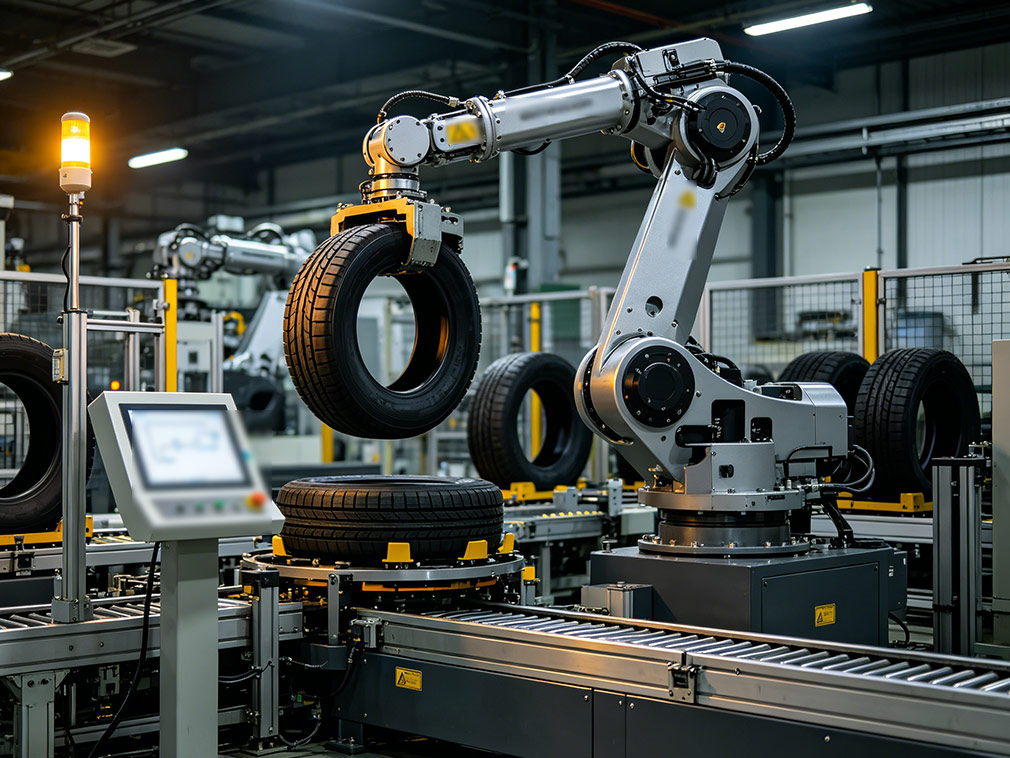
China possesses irreplicable industrial advantages that Japanese tire manufacturers cannot match: the world’s most complete rubber upstream and downstream industrial chain, the largest global new energy vehicle consumer market, and flexible decision-making mechanisms of private tire enterprises. Short decision-making processes enable Chinese tire brands to respond to market demands rapidly and conduct targeted product iteration.
Currently, leading Chinese tire manufacturers have comprehensively deployed new energy special tire tracks, and have successfully entered the OEM supply chains of mainstream global new energy vehicle brands including BYD, Geely and NIO, gradually capturing high-end matching market shares previously monopolized by Japanese tire enterprises.
In the long run, the strategic competition between Chinese and Japanese tire industries will continue sustainably in the global market. Chinese tire manufacturers do not need to fully copy Japan’s industrial operation model.
The optimal development path is to integrate the strengths of both sides: absorb Japanese brands’ advantages in refined production management, strict quality control and long-term stable basic R&D investment to make up for high-end technical shortcomings; and give full play to China’s complete industrial chain, flexible operation and rapid market iteration advantages to seize the dividend of global automotive electrification transformation.
Through industrial integration, technological upgrading and differentiated competition, Chinese tire enterprises will steadily narrow the gap with international top tire giants, transforming China from a global tire production powerhouse to a global tire technological power, and gaining core competitive discourse power in the global tire trade market.




