
Tire Industry Homogenization: Decoding Multi-Brand Strategies
Nearly all leading global tire manufacturers adopt a multi-brand matrix strategy to cover segmented market sectors. Each subsidiary brand is positioned independently in official brand promotion, targeting high-performance driving, daily comfort riding, cost-effective wear resistance and commercial vehicle supporting scenarios respectively, so as to cover diversified customer groups and tiered price markets across the globe.
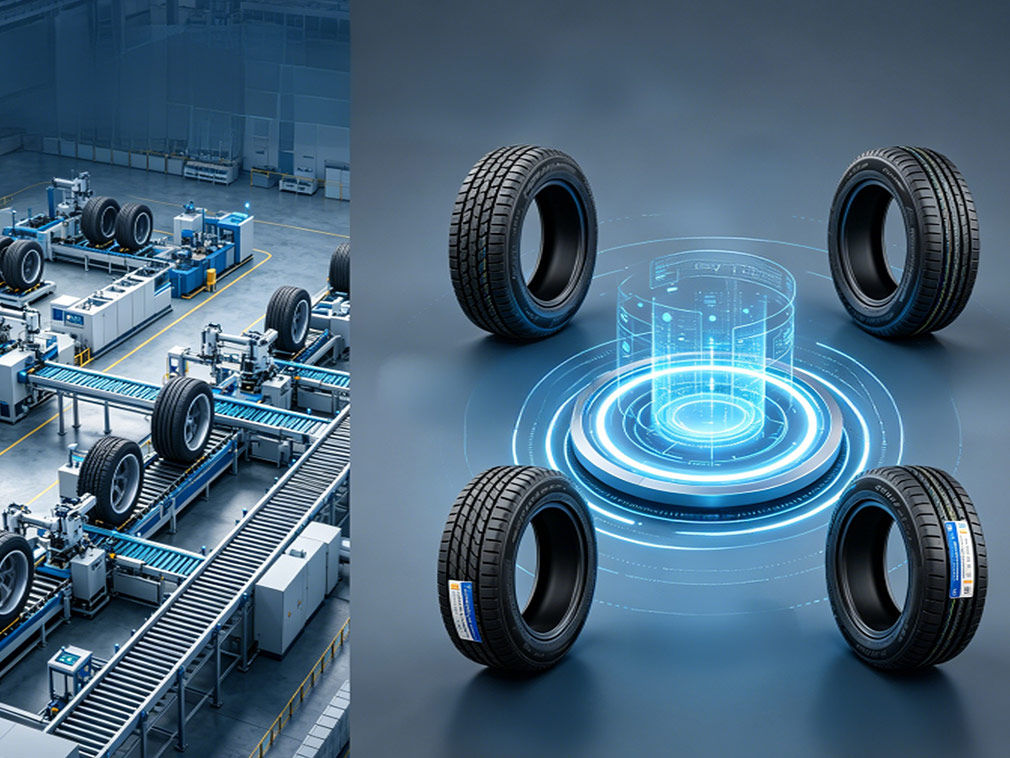
Nevertheless, from the perspective of tire upstream supply chain and production manufacturing, this mainstream brand layout has obvious internal homogeneity. Most sub-brands with overlapping market positioning share unified production lines, core rubber compound formulations, internal tire structure designs and factory quality control systems. Manufacturers only adjust external appearances to form differentiated pricing systems, realizing brand premium gains in segmented markets.
The homogeneity of tire manufacturing is fully verified by industry disassembly tests. For instance, one top-tier tire enterprise owns two mainstream product lines: Brand A oriented at high-end sports performance and dry/wet grip performance, and Brand B focusing on urban commuting comfort and low road noise.
Industry professional disassembly reports prove that the two products adopt identical ply structure, sidewall support design and base rubber formula. The only visible differences lie in tread pattern molds and sidewall brand marking, without any core technical iteration or manufacturing process upgrade.
Supply chain cost statistics show that this mold-replacing rather than technology-upgrading production mode cuts comprehensive manufacturing costs by more than 20% for tire makers. Meanwhile, the terminal retail price gap between the two products can reach up to 50%. Extra consumer spending is mostly converted into brand marketing revenue and gross profit of manufacturers, instead of being invested in core product performance optimization.
Apart from the homogeneous multi-brand operation model, the long-standing industry consensus that original equipment (OE) tires own superior quality compared with replacement market tires is also a joint marketing result of vehicle OEMs and tire suppliers.
Based on 2025 global automotive supply chain insider information and third-party professional tire testing data, OE tires and aftermarket replacement tires with the same specification and model follow completely unified national mandatory production standards and internal enterprise quality specifications. Key performance indicators including wear resistance, braking performance on wet roads, rolling resistance and driving safety remain consistent with no substantial difference.
The only distinction between OE tires and replacement tires is an extra OEM certification mark printed on the tire sidewall. The printing cost of this exclusive mark is extremely low per unit, yet it pushes up the wholesale supporting price and aftermarket retail price by 20% to 40%.
In the whole automotive supporting industry chain, end users and downstream distributors often overestimate the customization strength of OE tires, while the actual premium mainly comes from joint brand certification and market cognition packaging, rather than upgraded production standards.
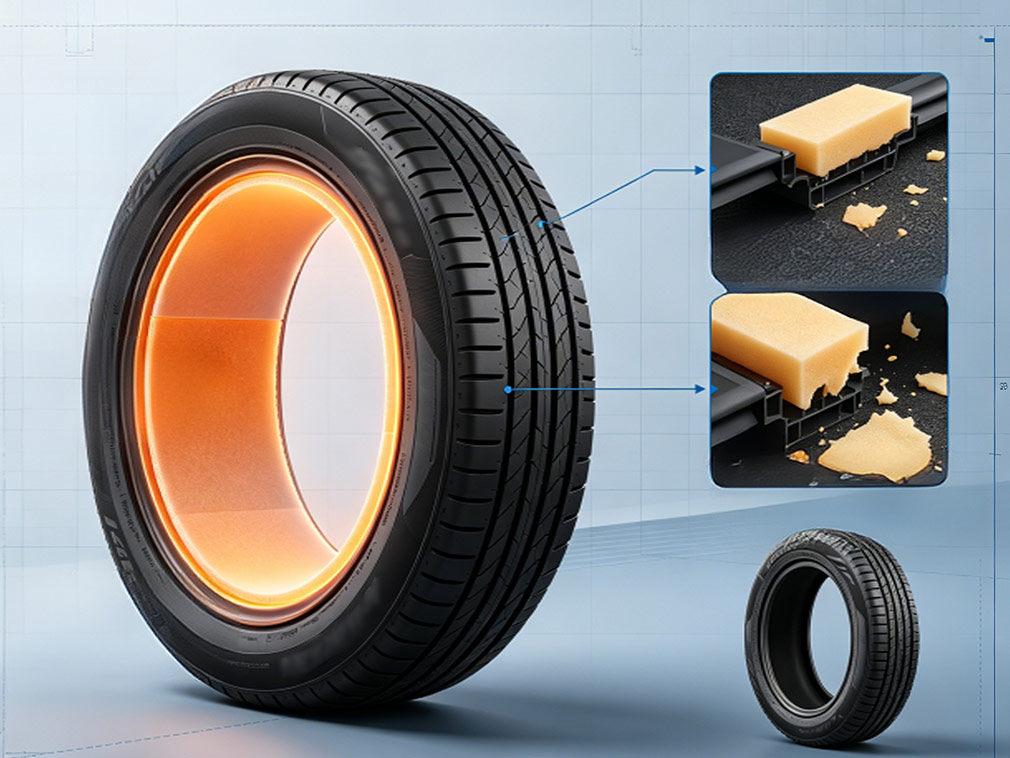
There is also a hidden design defect existing in mass-produced OE tires, which deserves high attention from global auto supporting suppliers and fleet operators. To meet strict vehicle NVH noise test standards before whole-vehicle delivery and pass final OEM acceptance, many tire manufacturers attach temporary sound-absorbing foam inside OE tires specially. Adopting weak adhesive bonding technology, the foam is only designed for initial offline noise inspection.
Affected by long-term road vibration, high temperature driving and rainwater erosion in actual driving scenarios, the built-in foam will fall off within 3 to 6 months in most cases, leading to obvious noise rebound consistent with common replacement tires. By contrast, aftermarket tires cancel this temporary noise reduction structure directly, achieving more stable long-term service performance in daily driving scenarios.
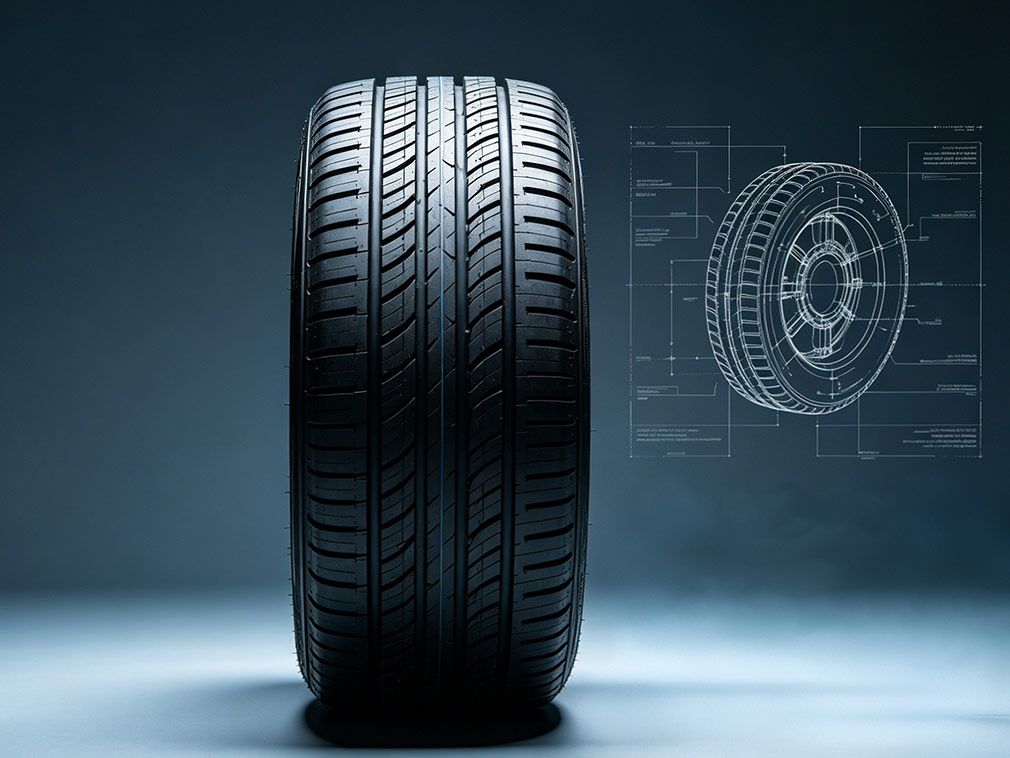
Combined with 2026 global tire market operation data, product homogenization has become an irreversible trend in the tire manufacturing industry, and marketing brand differentiation is far greater than actual technical performance differentiation.
For global tire distributors, automotive after-market service providers and bulk procurement buyers, it is critical to rationally distinguish brand marketing packaging and real product performance. Blind premium payment for high-end sub-brands or original matching tire certification can be avoided.
Conducting procurement based on actual working conditions, cost budgets and objective third-party test data will help enterprises optimize procurement costs and improve overall operational profit margins in the automotive after-market and vehicle supporting industry chain.




