
Nexen Tires Partners with BYD for Global EV OEM Expansion
Just yesterday, Nexen Tires announced that it has officially begun supplying tires to BYD, providing original equipment tires for the Seal 06 and Seagull electric vehicles. In short, this marks the first time the two companies have partnered at the original equipment manufacturer (OEM) level, a significant milestone for Nexen.
At this point, some might ask: "It's just supplying tires, what's so special about that?" But if we broaden our perspective, in the past two years, domestic new energy vehicle companies have been aggressively expanding overseas, with vehicle exports becoming a major driver of growth. For a vehicle sold overseas, whether it can withstand local rough roads, high temperatures, heavy rain, and aggressive driving habits depends heavily on the tires. Different markets require different tire "temperament," which can severely damage its reputation.
Therefore, this collaboration between Nexen and BYD is essentially following this trend.
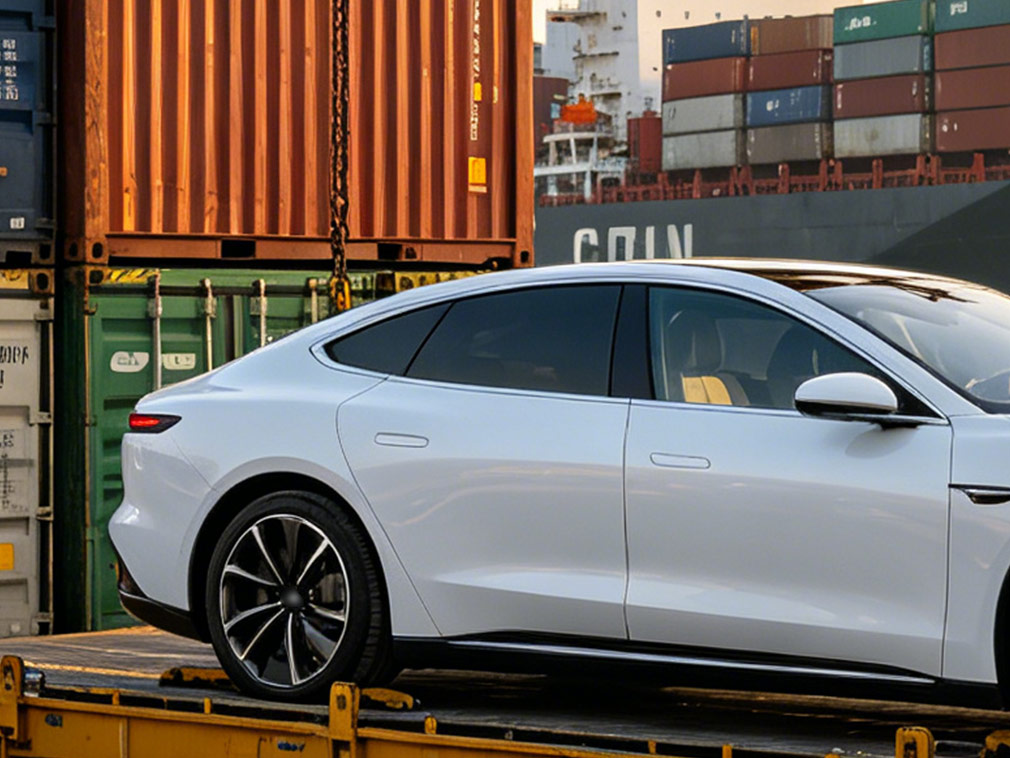
Let's start with the Seal 06. This is a mid-size pure electric sedan that BYD targets the global market with a sporty focus, primarily in Australia and Southeast Asia. Take Australia as an example. In summer, the roads there are so hot you could fry an egg on them, and the highway network is extensive. Locals also tend to drive quite aggressively.
If tires soften in high temperatures, lack grip, or fail to brake effectively in wet conditions, it significantly impacts safety. Therefore, the Seal 06 exported to Australia is equipped with Nexen N'FERA Sport high-performance summer tires. The main improvements to this tire are in dry and wet braking, high-speed stability, and responsive handling.
The tread pattern and rubber compound have been optimized, resulting in less deformation at high temperatures and shorter braking distances, which is well-suited to the driving conditions in Australia. This tire has also been tested by organizations like ADAC in Germany, achieving good results in handling, wet safety, and wear resistance, and has received high acceptance from overseas car owners.
Now let's look at another car, the Seagull, which is a completely different story. The Seagull is a micro-commuter car, targeting the entry-level market overseas—primarily for short trips in the city, where traffic is congested and high speeds are not required. What users care about most is quiet operation, energy efficiency for longer driving range, and durable tires that don't require frequent replacements.
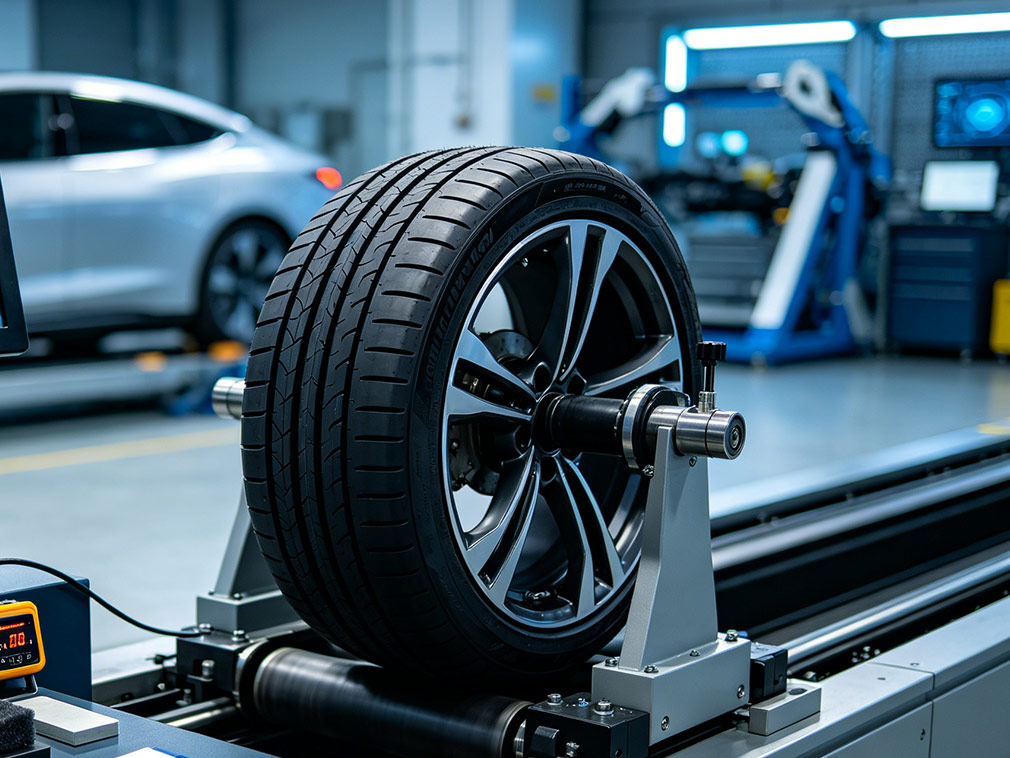
Therefore, the tires Nexen customized for Seagull vehicles primarily focus on low rolling resistance, quiet operation, and wear resistance for urban roads. This results in lower rolling resistance, lower energy consumption, and a few extra kilometers of range, perfectly suited to microcar users.
In fact, the requirements for tires used in new energy vehicles are inherently higher than for traditional gasoline vehicles. Electric vehicles are heavier and have higher torque at startup; if the tires don't bear the weight, have poor tear resistance, or have excessively high rolling resistance, it will either waste energy or be dangerous.
Nexen has been focusing on tires specifically for new energy vehicles for the past few years, differentiating its products according to the different vehicle classes and characteristics, and has already signed original equipment contracts with several global automakers. This partnership with BYD means completing an important piece of the puzzle in China.
Industry analysts say that with BYD's significant overseas export volume, this cooperation allows Nexen to smoothly expand into the Asia-Pacific new energy vehicle tire market. For BYD itself, this also represents a further optimization of the localized supply chain for its overseas models. Looking ahead, it's highly likely that both parties will expand their supply chain to more models and regions.
Simply put, this is a pragmatic collision between an OEM and a parts supplier on the path of globalization. The farther a car is sold, the more crucial it becomes to tailor solutions to specific customer needs, even for seemingly standardized components like tires.




