
Overseas Tire Factory Sourcing Guide
Under the heavy pressure of anti-dumping and countervailing duties, Chinese tire suppliers faced drastically different fates in 2026 due to differences in their overseas production capacity layout. Leading companies, relying on overseas factories, effectively circumvented tariff barriers, not only maintaining their market share in Europe and the US but also gaining the initiative in industry restructuring. Meanwhile, small and medium-sized tire companies, unable to expand overseas, were caught in a dilemma: raising prices meant losing market share, while not raising prices meant no profit margin.
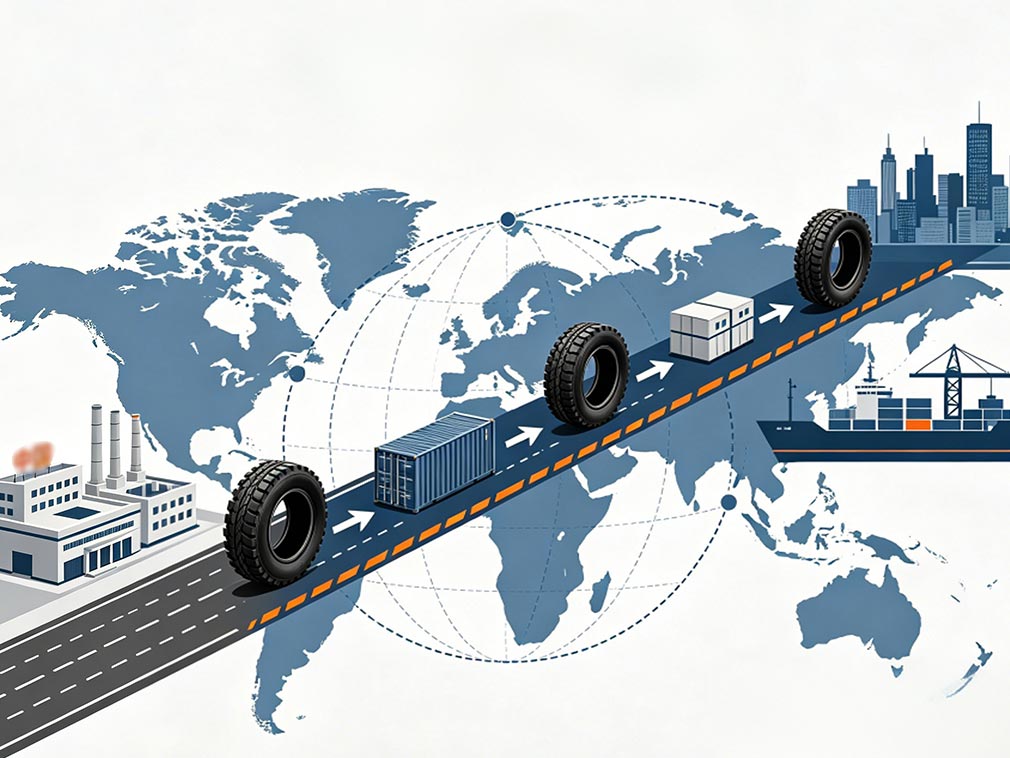
For leading tire companies, their previously established overseas production capacity now served as a "safety net" against anti-dumping and countervailing duties. Looking at the details of the policy rules, the imposition of these duties by Europe and the US was entirely based on the country of origin—tire produced in factories in mainland China, regardless of the company's affiliation, was subject to high tariffs.
However, Chinese-funded factories located in Southeast Asia and North Africa, as long as they compliantly produced their own goods and met local "substantial processing" standards, could completely avoid the coverage of anti-dumping and countervailing duties on Chinese goods. They could even enjoy lower overall tax rates through regional trade preferences. It is precisely based on this rule that the overseas production capacity that leading companies such as Sailun, Linglong, Sentury, and Zhongce have concentrated on in recent years has become a key asset in this breakthrough.
The transmission of anti-dumping and countervailing duties did not stop at the supply side. The direct export of Chinese domestic tire production capacity was hindered, and coupled with the relocation of production capacity by leading companies, industry cost pressures were quickly transmitted to importers, distributors, and end users in the European and American markets. These downstream groups, who previously held "order dominance," were now also pushed to the crossroads of "cost and supply security."
From the cost perspective of European and American buyers, the most direct impact was the significant increase in tariff costs. Before the implementation of the anti-dumping and countervailing duties, the retail price of semi-steel tires produced in China in the European and American markets was only 40% to 50% of that of international first-tier brands, and even lower than the pricing of international second-tier brands.
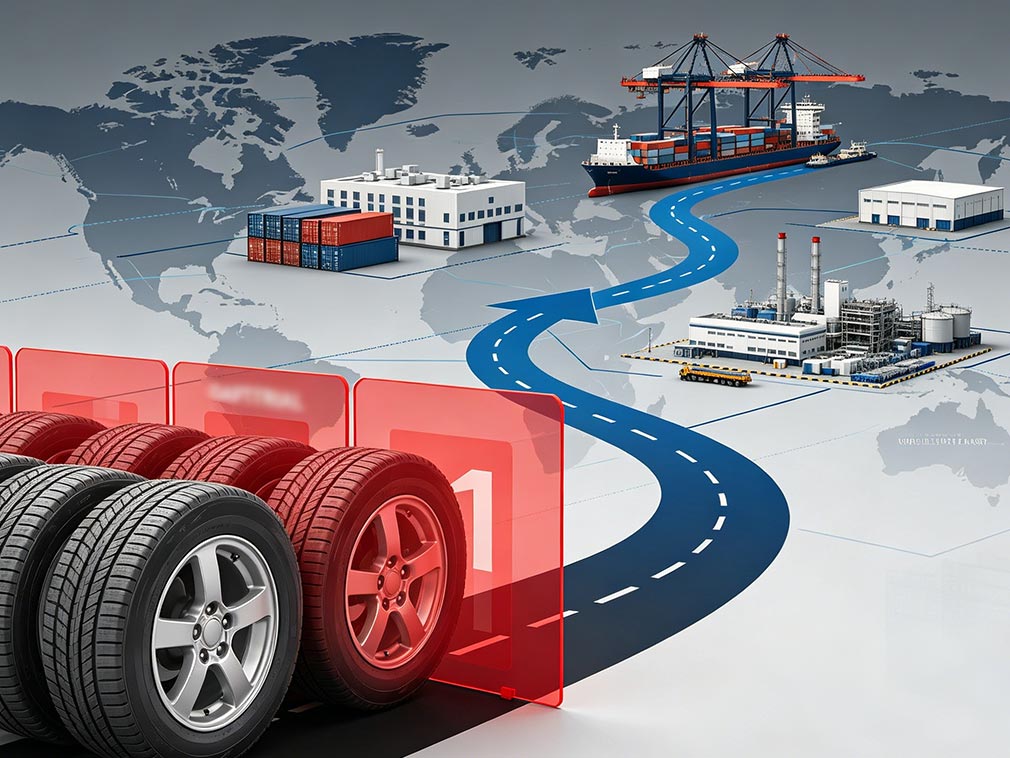
This price advantage was not simply based on a low-price strategy, but was rooted in the large-scale manufacturing capabilities accumulated by the Chinese tire industry over many years and the relatively complete domestic industrial chain support system. However, the implementation of the anti-dumping and countervailing duties almost wiped out this long-held price advantage.
The supply and demand pressures brought about by the anti-dumping and countervailing duty policies of the US and Europe in 2026 are not merely short-term trade shocks of "export disruptions and order transfers," but fundamentally restructure the competitive logic of China's tire industry, accelerating the industry reshuffling process.
At its core, the anti-dumping and countervailing duty policies forcibly transform the tire industry's "global production capacity layout capability" from a "long-term competitive advantage" into a "basic survival threshold." This abrupt change in rules essentially uses administrative means to forcibly widen the gap in production capacity, technology, and brand between leading companies and SMEs.
From the perspective of the global industrial supply chain, this round of industry restructuring in 2026 will also have a profound and long-term impact: China's tire industry will accelerate its shift from simply "product exports" to "industry globalization."
The core of this process is no longer simply transferring production capacity from domestic to overseas, but rather building a complete and independent supply chain system around major consumer markets. The fundamental logic is to effectively circumvent the encirclement of global trade protection policies by "laying out production capacity close to consumer markets and supporting long-term supply with regional supply chain support."




