
Indian Tyres: EU Recycled Material Tech
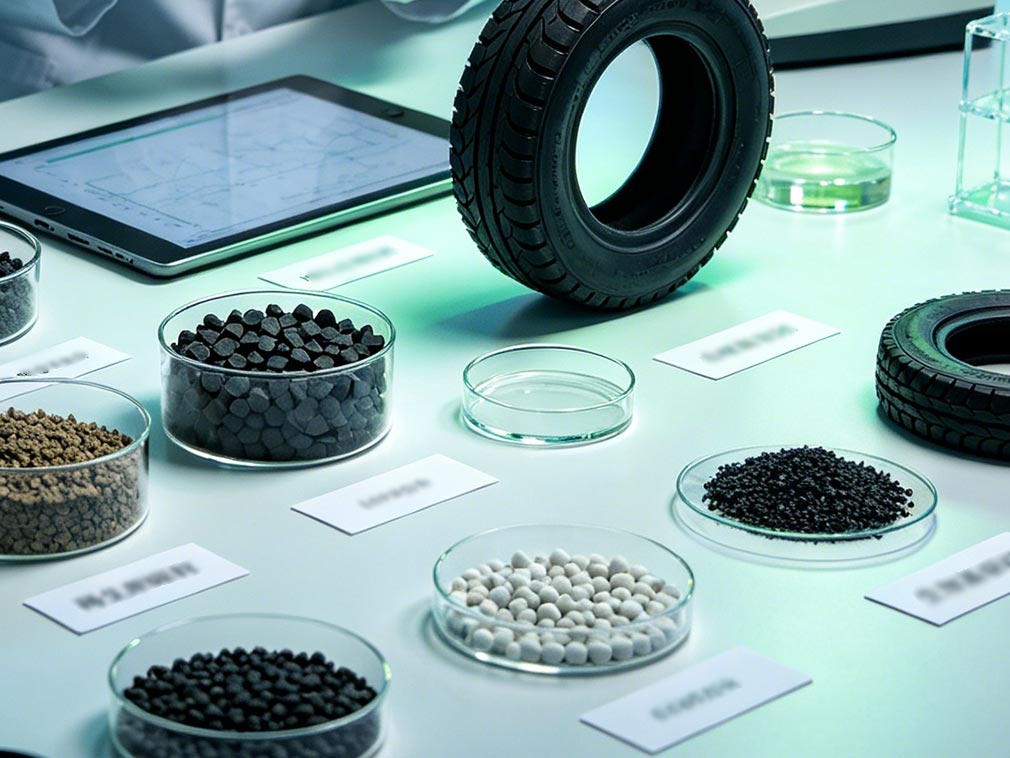
In the field of new materials R&D, Indian tire manufacturers are strategically channeling their technology resources toward reducing environmental impact through recyclable materials—an area that aligns directly with tightening European regulations.
Apollo Tyres has been particularly proactive on this front. First, the company has formed a long-term technology partnership with Tyromer Inc., a leading US-based tire recycling firm, to co-develop solutions for the large-scale integration of recycled rubber into new tire production.
Second, its European plants have begun progressively adopting bio-based alternatives, aiming to replace conventional petroleum-derived raw materials. Through these initiatives, Apollo Tyres has significantly lowered the regulatory compliance risk of its products in the European market without compromising performance.
In the realm of energy-efficient technology, the strategies of Indian companies span the entire value chain—from product design to manufacturing. These efforts not only help European customers reduce operating costs through optimized product design but also offset their own production cost pressures by improving energy efficiency in manufacturing processes.
On the product side, the technological optimizations made by Indian firms precisely target the core pain points of the European market:
1. Enhanced durability for long-haul transport. CEAT has specifically refined its tire lineup for export to Europe, tailoring products to the region’s extensive highway network. Optimizations include increased tread depth, improved heat dissipation in the rubber compound, and reinforced sidewall construction—all of which enhance tire longevity under sustained high-speed driving.
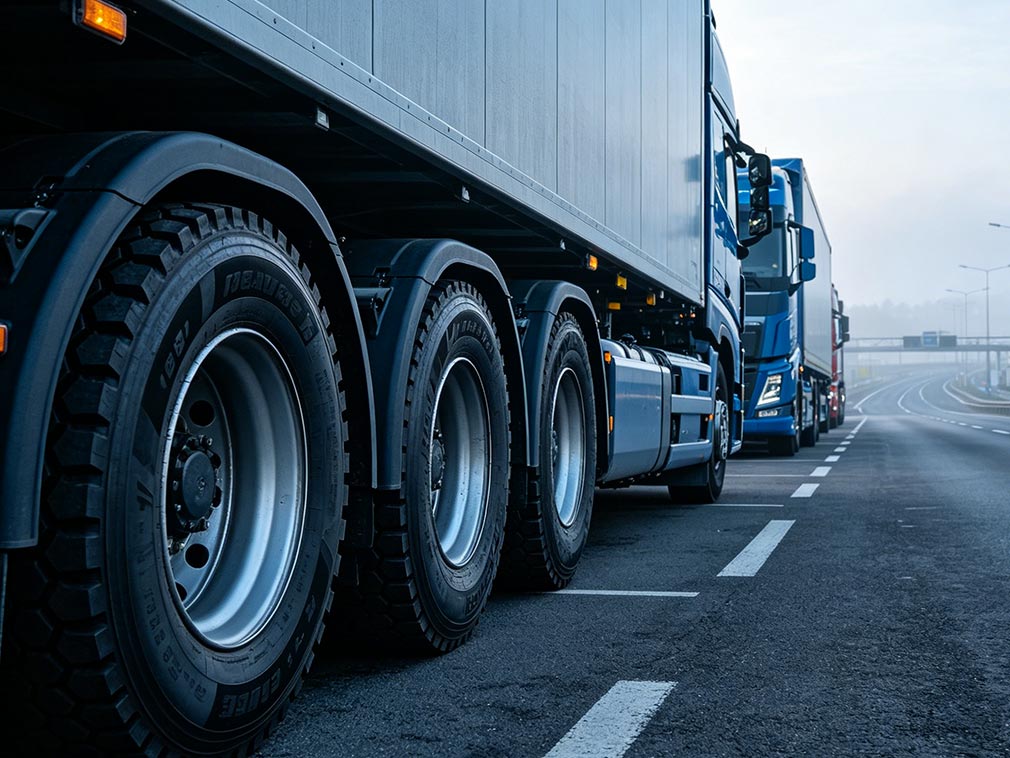
These improvements directly address the needs of key European transport segments such as logistics and e-commerce freight. For commercial fleets, tire reliability is critical to transport cycle efficiency and per-kilometer cost, and CEAT’s refinements squarely meet this demand.
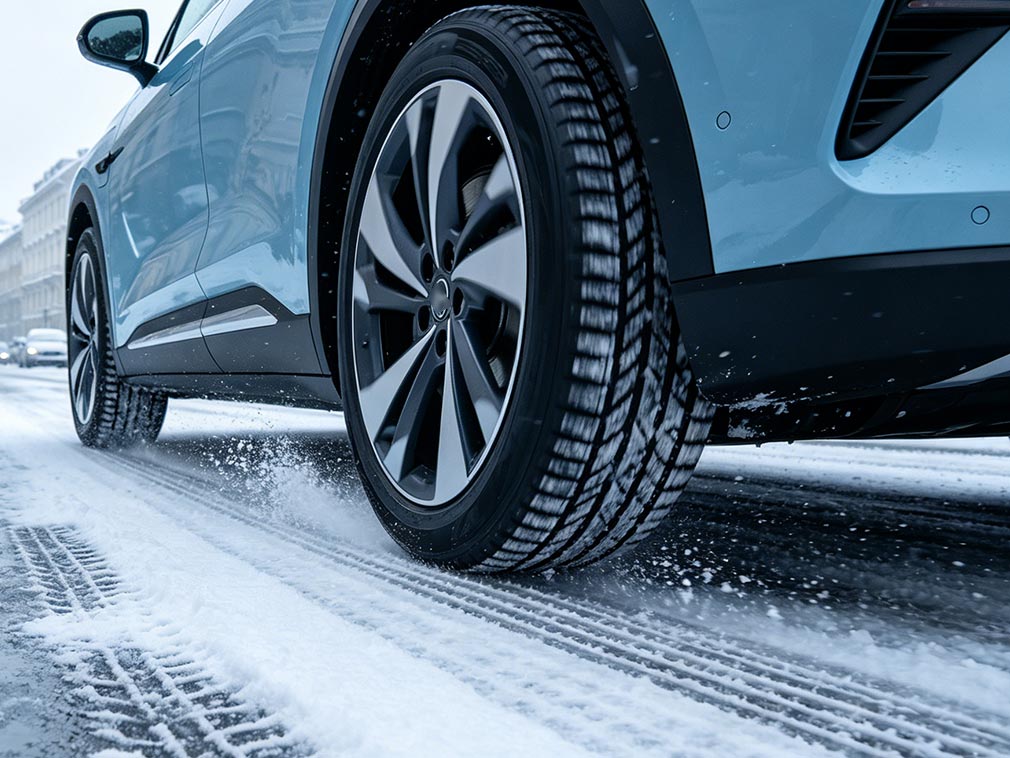
2. Targeted environmental adaptability. Much of Europe faces icy, snowy, and wet road conditions during winter, imposing stringent requirements on tire performance. CEAT’s WinterDrive winter tire, launched in 2024, is a prime example of this targeted approach. It features a snow-specific tread pattern and an advanced wet-grip compound, delivering performance on icy and slippery roads comparable to mainstream mid-to-high-end European products.
In the 2025 winter tire test conducted by the German automotive magazine ADAC, the WinterDrive stood out from dozens of global competitors to secure tenth place—marking the first time an Indian tire has broken into the top ten of this authoritative test and demonstrating that its technological adaptability now meets the mainstream demands of the European market.
3. Proactive development of EV-specific technology. With one of the highest electric vehicle penetration rates globally, Europe places unique demands on tires, including low rolling resistance, reduced noise, and high load-bearing capacity. Indian companies have been quick to seize this opportunity. Through its acquisition of the premium European brand Vredestein, Apollo Tyres has specifically developed tire technology for the European EV market.
Vredestein EV tires, manufactured at its Hungarian facility, utilize an optimized carcass structure and sustainable material integration to fully meet the standards of mainstream European electric vehicles in terms of rolling resistance reduction and noise improvement.
In the European mid-to-low-end tire segment—the primary target for Indian manufacturers—Chinese tire companies remain their most direct and significant competitors. The current competitive landscape between the two is marked by a clear ebb-and-flow dynamic, as both sides vie for position in this strategically important market.




