Rubber Price Volatility
A Ton of Rubber's Rollercoaster Ride: 28 Days for the Tire Industry Amidst Cost Tide
As June draws to a close, a sharp drop of over 5% in natural rubber prices briefly eased the tension in the tire industry.
Looking back at June 25th, the spot price of natural rubber evaporated by over 900 yuan per ton in a single day, closing at 16,660 yuan. Less than a month earlier, this figure was firmly above 18,000 yuan, confidently setting a new high for the year. 28 days—a complete cycle of rise and fall. For tire manufacturers mired in cost woes, this was an almost unannounced stress test.
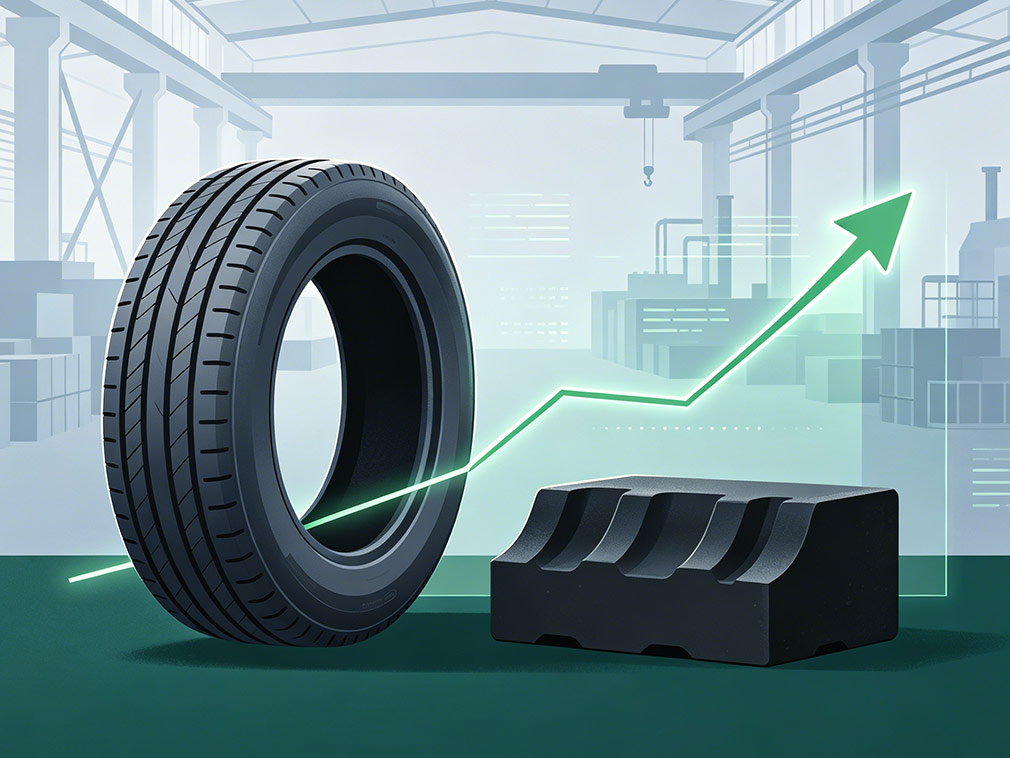
Why can a ton of rubber shake the entire industry?
The answer lies in the cost structure. On the birth certificate of a tire, natural rubber consumption accounts for approximately 28%. It's not the only expense, but it's the most volatile variable. When rubber prices begin to fluctuate wildly, tire companies' profit statements immediately react accordingly.
The surge in prices in the first half of the year was not without reason. Southeast Asia's main producing regions are currently in their low-production season, and even slight weather anomalies immediately strain supply. Delayed shipments, low port inventories, and tightened spot market circulation—these signals are quickly picked up by capital, igniting speculative sentiment in the commodity market. As a result, tire manufacturers find themselves facing not just a simple raw material cost issue, but a price surge infused with financial implications.
Passive Response: Behind Over a Hundred Price Increase Notices
Pressure is pouring down from upstream. Starting in late March, domestic tire companies began issuing price increase notices in rapid succession. By June, over a hundred notices had been issued, affecting everything from small factories to leading companies, from passenger car tires to engineering tires.
But this is not a neat cost transfer. Most companies admit that the price increases are unavoidable, and the price adjustments can only partially cover the increase in raw material costs. Synthetic rubber, carbon black, steel cord—almost all the essential materials for tires saw price increases in the first half of the year, and under multiple pressures, gross profit margins continued to thin. A familiar dilemma is emerging in the industry: revenue figures are rising, but profit figures are shrinking, leaving small and medium-sized factories caught in the middle, facing a dilemma.

The June Drop: A Breath of Fresh Air
The turning point came abruptly. The start of the tapping season in Southeast Asia continuously pushed new rubber into the market, instantly easing the narrative of tight supply. At the same time, downstream tire demand did not increase in tandem, with market procurement shifting from "proactive stockpiling" to "just-in-time purchasing," and speculative demand quietly withdrawing. The replenishment of supply coupled with cautious demand led to a return of rubber prices to rationality.
This sharp drop essentially presented tire companies with a brief "cost window." The previously implemented tire price increases, if combined with continued adjustments in raw material costs, could potentially lead to a passive recovery in corporate profits. How long this window will last, no one can give a definitive answer. Sober voices within the industry are reminding everyone that the supply and demand of rubber is far from stable; any slight disturbance in weather in producing regions, export policies, or international commodity markets could reignite volatility.
Costs Relief, Competition Continues
While rubber prices may fall rapidly, the intensity of competition in the tire industry will not decrease accordingly.
The end-market remains a battleground for existing market share. Demand is stable, prices are sensitive, and sustained large price increases are difficult to sustain. Companies cannot rely on price increase notices to alleviate cost pressures indefinitely. The truly effective path lies within the factories: optimizing formulations and production scheduling to reduce process losses while ensuring performance; restructuring supply chain flexibility, broadening procurement timing and channels; and extending to end-users, using a more robust channel network to manage inventory pressure.
For tire companies, the raw material price reversal in June served as both a buffer and a warning. It demonstrates that in a globalized supply structure, any significant fluctuation in costs can be a watershed moment for a company's competitiveness. In the second half of the year, the trend of natural rubber will continue to dominate the tire industry's profit trajectory; however, this time, more companies are preparing for the volatility rather than passively waiting for the storm to pass.