
Regional Auto Boost: County, Used Cars(August 21)
Multiple Regions Boost Auto Consumption: County Markets and Used Cars Become Priority
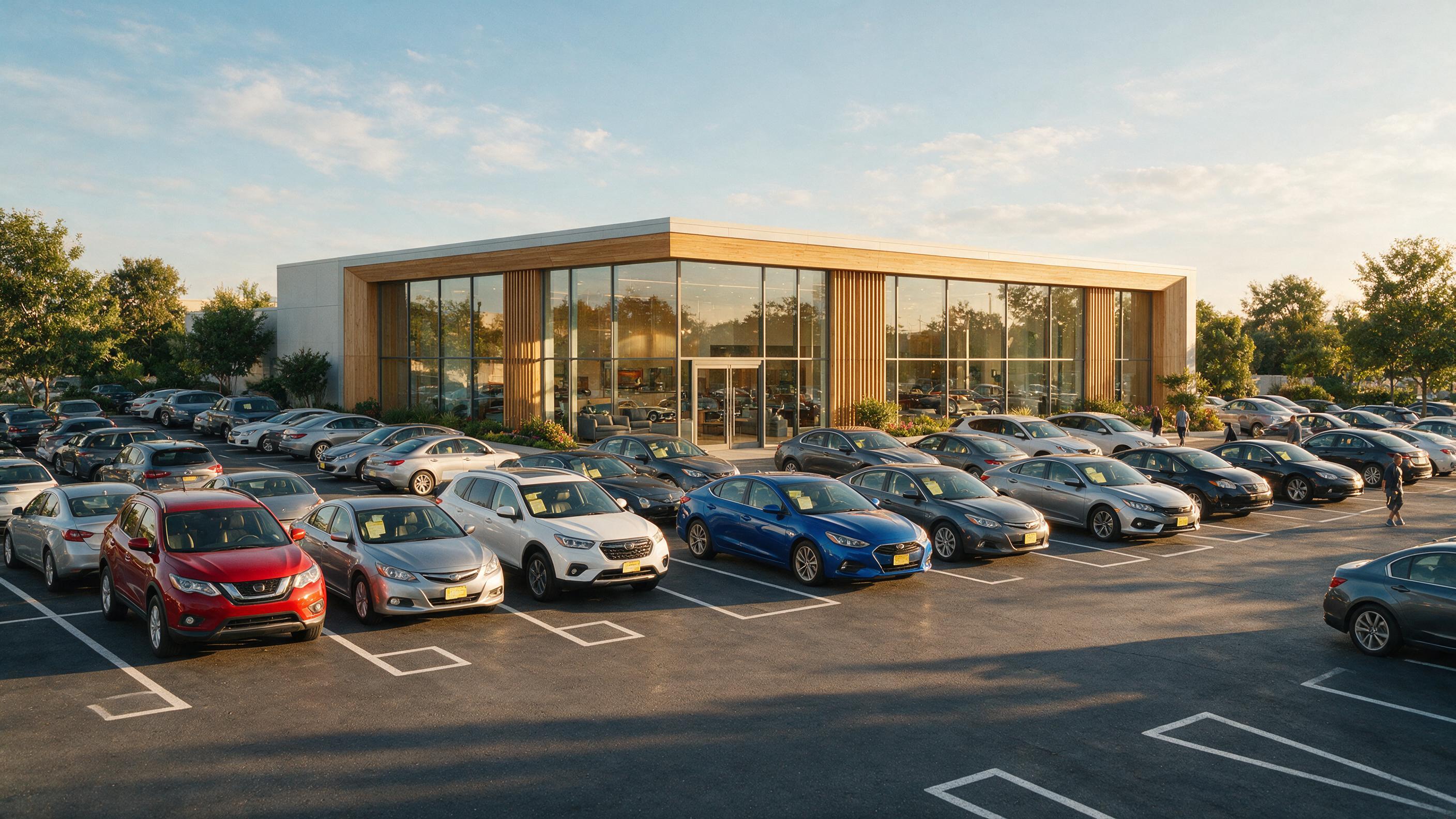
On August 18, nine departments led by the Ministry of Commerce jointly issued the Opinions on Further Stimulating Market Vitality in Lower-Tier Markets and Activating County-Level Consumption, proposing to strongly support the promotion of new energy vehicles, green smart products, and green building materials to rural areas, and to expand the coverage of rural charging facilities.
Multiple localities have also intensively rolled out measures to promote automobile consumption. In addition to continuing new car subsidies, used car consumption subsidies have become a new policy tool for many regions. Against this backdrop, the release of county-level market potential and the implementation of used car subsidies are expected to generate incremental automobile consumption, drawing widespread market attention.
The Opinions also propose encouraging enterprises to actively introduce quality goods into county-level markets, synchronously launch new products in qualified counties, and promote equal quality and equal enjoyment of the same products between urban and rural areas. Enterprises are guided to develop quality products suited to county-level consumption characteristics, and commercial distribution enterprises are supported in building flexible supply chains through a self-owned brand plus demand-driven production model.
For a long time, domestic automakers focused their market layout primarily on cities, where population density and purchasing power are high and marketing conversion efficiency is greater. However, as urban auto markets approach saturation, vast county-level markets have become a new blue ocean for automakers to strategically develop.
Zhang Xiang, a visiting professor at Huanghe University of Science and Technology, told Securities Daily that new energy vehicle promotion in rural areas is one of the key measures for advancing the new energy vehicle industry, aiming to achieve a win-win of supporting rural automobile consumption and expanding the auto market. In the past, the lack of 4S dealerships and auto experience stores in county-level markets constrained automobile consumption by making it difficult for consumers to purchase vehicles and access after-sales service.
Liu Youhua, research director at Shenzhen Paipaiwang Fund Sales, stated that county-level populations are enormous, but passenger vehicle sales and new energy vehicle penetration rates are significantly below national averages, indicating substantial untapped market potential. With policy support, county-level markets are expected to become a core growth driver for domestic automobile consumption.
According to the China Association of Automobile Manufacturers, from 2020 to 2025, new energy vehicle sales under the rural promotion program grew from 397,000 units to 9.431 million units. Over six years, cumulative sales of program vehicles exceeded 20 million units. In 2026, five ministries jointly issued a notice to continue organizing new energy vehicle rural promotion activities, with 155 models included in the promotion catalog, covering mini commuter vehicles, family SUVs, and pickup trucks, adapted to diverse rural commuting and production transportation scenarios.
He Li, general manager of Beijing Zhiyu Zhishan Investment Management, told Securities Daily that in 2025, rural promotion program vehicle sales accounted for nearly 60% of total national new energy vehicle sales, yet the new energy penetration rate in county-level and rural areas remained below 20%, significantly lower than the national level, indicating considerable room for improvement.
County-level markets still face multiple constraints including infrastructure, suitable products, and service networks. However, the policy level is actively addressing these shortcomings, such as advancing county-level charging and battery swap facility improvements, expanding rural charging facility coverage, and encouraging innovative service models such as mobile maintenance and cooperative repair points. Industry insiders believe that beyond subsidies, these shortcomings must be addressed to fully unleash the automobile consumption potential of county-level markets.
Used Car Market Holds Great Promise
Recently, cities including Changchun and Xi'an have introduced used car consumption subsidy policies aimed at reducing used car transaction costs and accelerating the replacement chain. As domestic automobile ownership continues to rise, the underlying consumption structure of the market has changed.
With domestic new energy passenger vehicle penetration rates exceeding 60%, the underlying supply and demand logic of the used car market has been restructured. Consumer preferences for vehicle replacement and purchase have comprehensively shifted toward new energy models, driving continued growth in the circulation scale and market share of new energy used vehicles, while the audience for traditional fuel vehicles continues to shrink.
The industry currently exhibits a pronounced structural contradiction: many private car owners have urgent upgrade and replacement needs and wish to switch to new energy vehicles, but their older fuel vehicles are difficult to circulate and have prolonged liquidation cycles, creating persistent blockages in the replacement chain. This bottleneck not only drags down used car inventory circulation but also directly suppresses the release of new car consumption potential, constraining the overall vehicle market replacement cycle.
This platform focuses on the import and export of Chinese automotive equipment, gathering hundreds of certified Chinese automotive suppliers and connecting with global buyers. The platform achieves full transaction transparency, expands diverse cooperation opportunities, and helps both domestic and foreign parties build deep and stable cooperation bonds. Whether you are looking for vehicle manufacturers, purchasing automotive parts, or need customized procurement solutions, CNAUTO is your trusted first choice for cooperation.




