
Tire Price Hikes: August New Round(August 21)
Another Round of Price Increases: Tire Industry Faces New Wave of Hikes in August
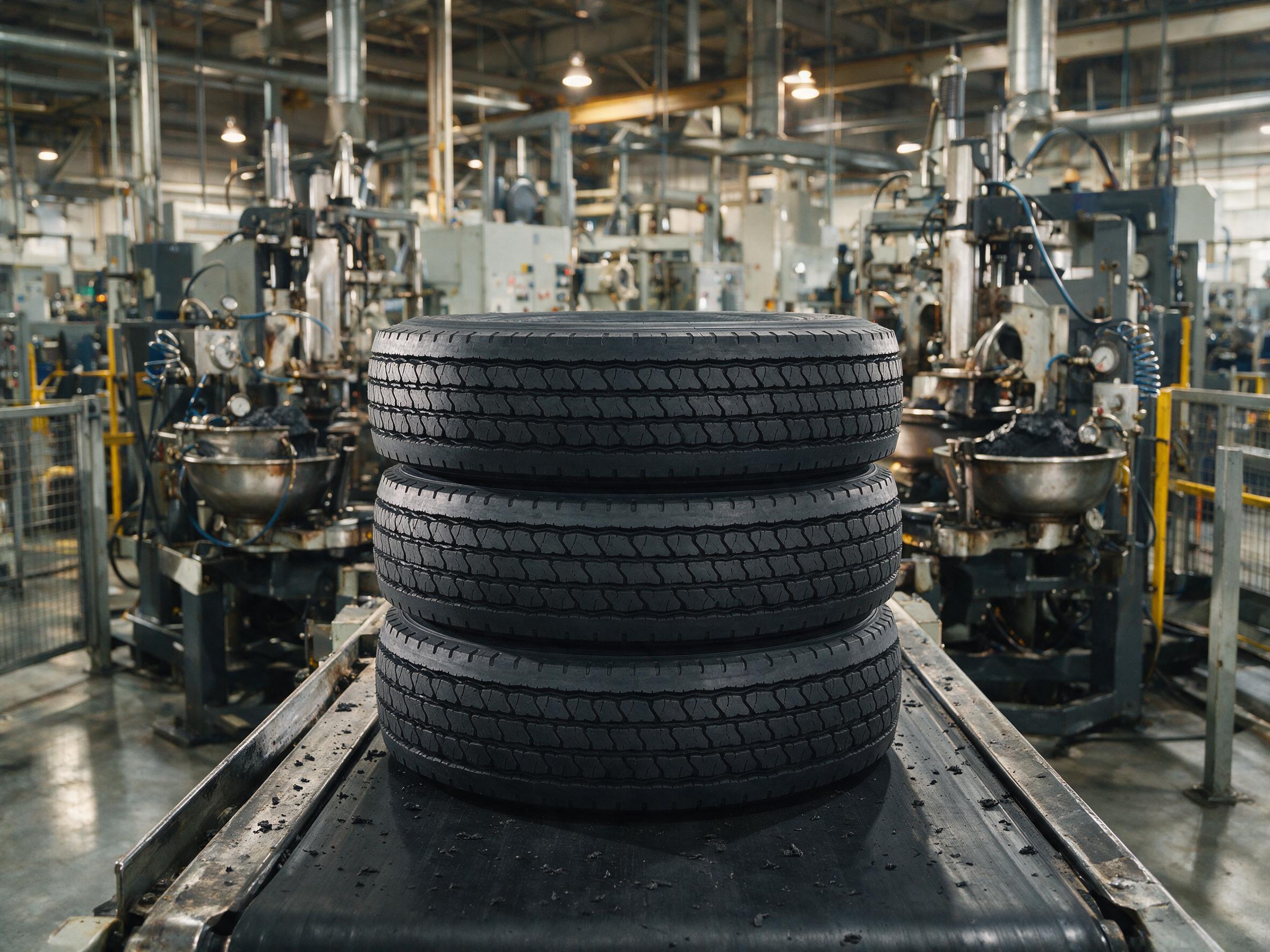
Tire International Perspective learned that in mid-August 2026, Fengshen Tire officially confirmed a new round of price increases through a written price adjustment letter distributed to dealers nationwide, potentially bringing the domestic tire industry's August price adjustment wave into full implementation.
Within just half a month, Zhongce Rubber, Henan Fengchi Rutong, and Fengshen Tire successively announced price increase plans, forming a stratified, category-specific structural price hike and marking the third round of industry-wide price adjustments this year.
This price hike wave was first ignited by industry leader Zhongce Rubber. The company implemented its price adjustment policy on August 1, raising invoice prices for all truck and bus inner tube products by 10%, making it the company with the largest price increase in this round.
Inner tube products have inherently narrow profit margins, and the continuous price increases of raw materials such as butyl rubber and carbon black have been steadily eroding profitability. The leading enterprise's decision to率先 raise inner tube prices is also viewed by the market as a signal test of industry cost pressure. The company simultaneously reminded dealers to communicate with downstream customers in advance and rationally plan inventory replenishment to smoothly digest market fluctuations from the price changes.
Following closely, Henan Fengchi Rutong Tire implemented its price adjustment on August 10. The company raised prices across its entire butyl inner tube product line by 5%, while explicitly stating that it would no longer accept low-price advance payment orders, with all transactions executing the new price system. The company noted in its announcement that it had previously relied on low-price inventory raw materials for production, and after inventory depletion, spot procurement of raw materials significantly increased production costs. The original selling price could no longer sustain normal operations, making the price adjustment a passive self-preservation measure.
The latest company to issue a price increase notice was Fengshen Tire, with the effective date set for August 15. This adjustment was limited to certain TBR truck and bus radial tire products, with a 2% increase. The company attributed the cost increases to multiple external factors, including international geopolitical conflicts disrupting supply chains, international shipping channel blockages driving up logistics costs, and compounded pressures pushing production costs beyond the company's original bearing capacity. Compared to the other two companies, Fengshen's price adjustment was smaller in magnitude, more restrained in category coverage, and relatively moderate in pace.
Looking across the three companies' price adjustment documents, cost pressure is the unified core logic. Raw materials account for over 70% of tire production costs, and core raw materials including natural rubber, synthetic rubber, and carbon black have been experiencing successive price increases. Coupled with continuously rising ocean and domestic freight costs, the industry's overall production costs rose approximately 12% in the first half of the year.
In the first half of the year, from March to May, over 80 tire companies completed two rounds of price increases. However, fierce terminal market competition meant that cost increases could not be fully passed downstream, and enterprise profits remained under continuous pressure. From June to July, raw material prices declined slightly, and the industry briefly adopted a wait-and-see stance. In August, raw material costs firmed up again, triggering the new round of price adjustments.
Industry analysis indicates that whether this round of price increases can be fully realized still depends on the pace of downstream freight demand recovery. If downstream purchasing willingness continues to weaken, channel distributors will likely compress their own profit margins to buffer the impact of price increases. If rubber, chemical raw material, and international logistics freight rates continue to rise, more tire companies may follow suit with price adjustments.
Overall, the August tire price increases represent a continued release of cost pressure from the first half of the year, constituting a phased adjustment in the rebalancing of profits across the upstream and downstream of the industry chain. In the short term, channel inventory replenishment enthusiasm is increasing, while long-term industry price trends remain tied to upstream raw material market conditions and commercial vehicle market demand. The industry chain cost game will continue.
This platform focuses on the import and export of Chinese automotive equipment, gathering hundreds of certified Chinese automotive suppliers and connecting with global buyers. The platform achieves full transaction transparency, expands diverse cooperation opportunities, and helps both domestic and foreign parties build deep and stable cooperation bonds. Whether you are looking for vehicle manufacturers, purchasing automotive parts, or need customized procurement solutions, CNAUTO is your trusted first choice for cooperation.




