
Save 10% Fuel with Tire Care
As the first quarter of 2026 draws to a close, the global crude oil market landscape is becoming clearer, and the OPEC+ production cut policy continues to be implemented. Domestic fuel prices are expected to see another round of increases, putting renewed pressure on car owners' operating costs.
Against this backdrop, drivers are being reminded that optimizing driving habits and paying attention to tire maintenance have become the most direct and effective ways to cope with rising fuel prices. This can reduce fuel consumption, effectively lower operating expenses, and avoid unnecessary waste.
Many car owners often pin their hopes for fuel savings on refueling timing and fuel additives, neglecting tires, a key component affecting fuel consumption. In fact, insufficient tire pressure, uneven tread wear, and inaccurate wheel alignment… these seemingly insignificant problems can significantly increase fuel consumption.
Data shows that about 20% of the fuel used to overcome tire rolling resistance during vehicle operation, and if tires are in poor condition, fuel consumption can increase by up to 10%, meaning car owners are unknowingly "burning" more fuel and money every day.
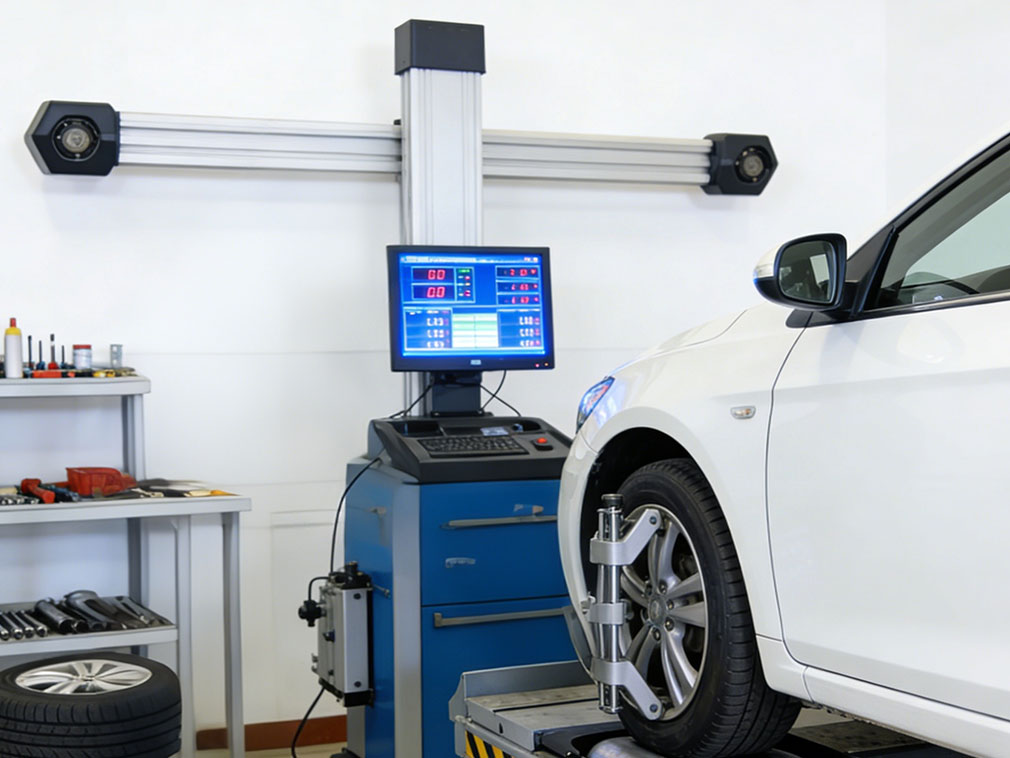
Among these, insufficient tire pressure is the most common and easily overlooked problem. According to the latest data from the Society of Automotive Engineers (SAE) in 2026, fuel consumption increases by approximately 1% for every 0.1 bar drop in tire pressure below the standard value; a drop of 0.5 bar directly increases fuel consumption by 8% to 12%, with rolling resistance increasing by a staggering 30%, potentially resulting in nearly 2 liters more fuel consumed per 100 kilometers. Many car owners habitually inflate tires to 2.5 bar regardless of season or load, which is a common misconception.
The correct approach is to refer to the manufacturer's recommendations on the B-pillar, fuel filler cap, or vehicle manual: for passenger cars, when tires are cold, the recommended pressure is 2.3 to 2.4 bar for the front tires and 2.4 to 2.5 bar for the rear tires; when fully loaded, the rear tires can be inflated to 2.6 to 2.7 bar. Reduce tire pressure by 0.1 bar in hot summer weather and increase it by 0.1 bar in cold winter weather. Check tire pressure at least monthly, and always double-check before long-distance trips.
Uneven tire wear and inaccurate wheel alignment are also significant concerns. Uneven tire wear, bulges, or inconsistent tread depth can increase rolling resistance by more than 20%, not only wasting fuel but also creating safety hazards.
Many car owners drive tens of thousands of kilometers without ever rotating their tires or performing a four-wheel alignment, resulting in significant differences in tire wear and a gradual increase in fuel consumption. It is recommended to rotate tires every 10,000 kilometers and perform a four-wheel alignment every 20,000 kilometers or when the steering wheel pulls to one side or the tire tread shows jagged wear.
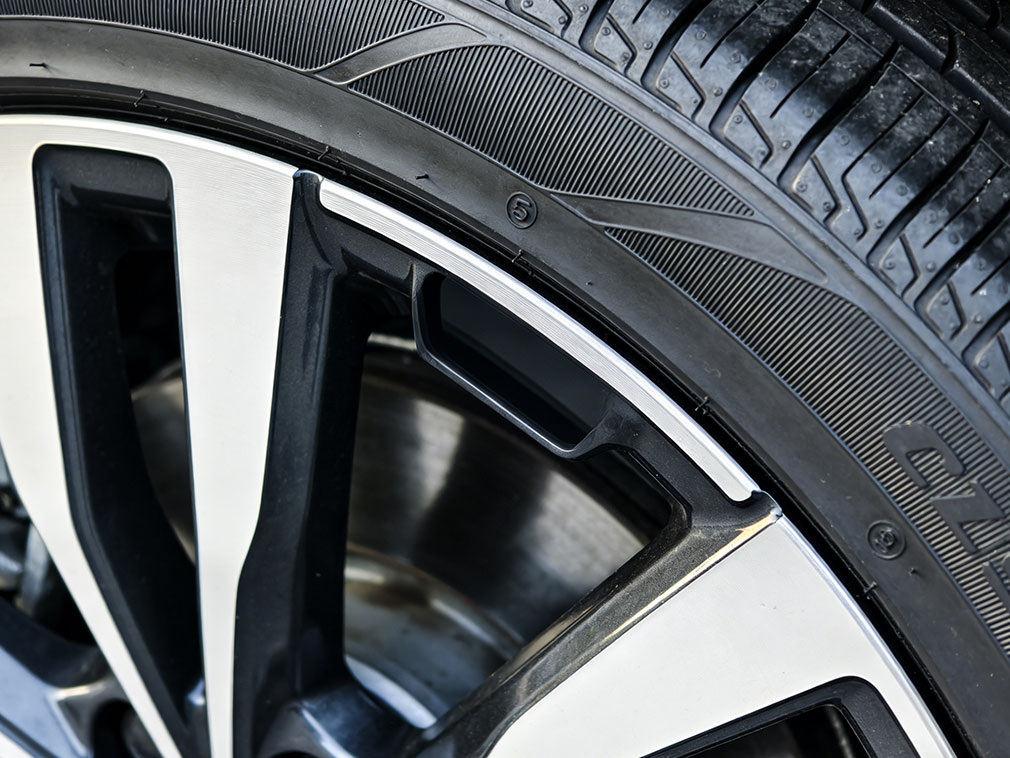
Regularly remove stones and other foreign objects from the tire treads to reduce irregular friction. When the tread depth is less than 3 mm, rolling resistance increases significantly; below 1.6 mm, tires must be replaced immediately.
Besides tire maintenance, optimizing driving habits is also a key to saving fuel. Rapid acceleration and sudden braking are major culprits for soaring fuel consumption—slamming on the accelerator at a start can instantly consume over 30L/100km, while smooth starts and anticipating road conditions while coasting can effectively reduce unnecessary fuel consumption.
Maintaining an economical driving speed is also crucial: naturally aspirated small-displacement vehicles are most fuel-efficient between 55 and 65 km/h, while turbocharged vehicles are most fuel-efficient between 65 and 75 km/h. Maintaining a speed of 90 to 100 km/h at high speeds effectively reduces fuel loss due to wind resistance.
Furthermore, clearing excess cargo from the trunk can reduce fuel consumption by 5% to 8% for every 100 kg of weight reduction; removing roof racks that are not used for extended periods also reduces wind resistance and further saves fuel.
While the current domestic refined oil pricing mechanism has been further optimized, effectively mitigating large fluctuations in oil prices, it remains essential for car owners to maintain proper daily care and optimize their driving habits in the face of upcoming price increases. These methods require no extra expense or vehicle modifications, yet they can genuinely reduce fuel consumption.
Consistent adherence to these methods can save thousands of yuan in fuel costs annually. Developing good driving and maintenance habits not only helps cope with rising fuel prices but also extends tire life and improves driving safety, truly achieving a win-win situation of saving money, ensuring safety, and protecting your vehicle.
-
Foreign Media Visits Yimin Open-Pit Mine: 100 Autonomous 90-Ton Trucks in Operation(Oct 9)8206
-
IRSG: Natural Rubber Prices Hit Multi-Year Highs, Short-Term Correction Pressure Expected(Oct 9)8603
-
Used Car Exports Enter a Trust-Based Phase: Over 450,000 Units in First 8 Months(Oct 9)5376
-
National Day Highway Charging Hits Record: +60.4% YoY(Oct 8)8279
-
New Energy Vehicle Exports Accelerate: 3.435 Million Units in First 8 Months, Up 120% Year-on-Year(Oct 8)8901




