
Tire Circular Raw Material
"50% by 2030, 100% by 2050"—these figures are familiar to most tire industry professionals. They represent the clear targets set by leading tire companies for the application of sustainable materials and are considered a core timeline for the global tire industry's low-carbon transformation.
Guided by this, domestic waste tire recycling projects continue to be implemented, and the industry's layout has accelerated significantly, driving the industry to gradually move away from the traditional development model of high energy consumption and high waste.
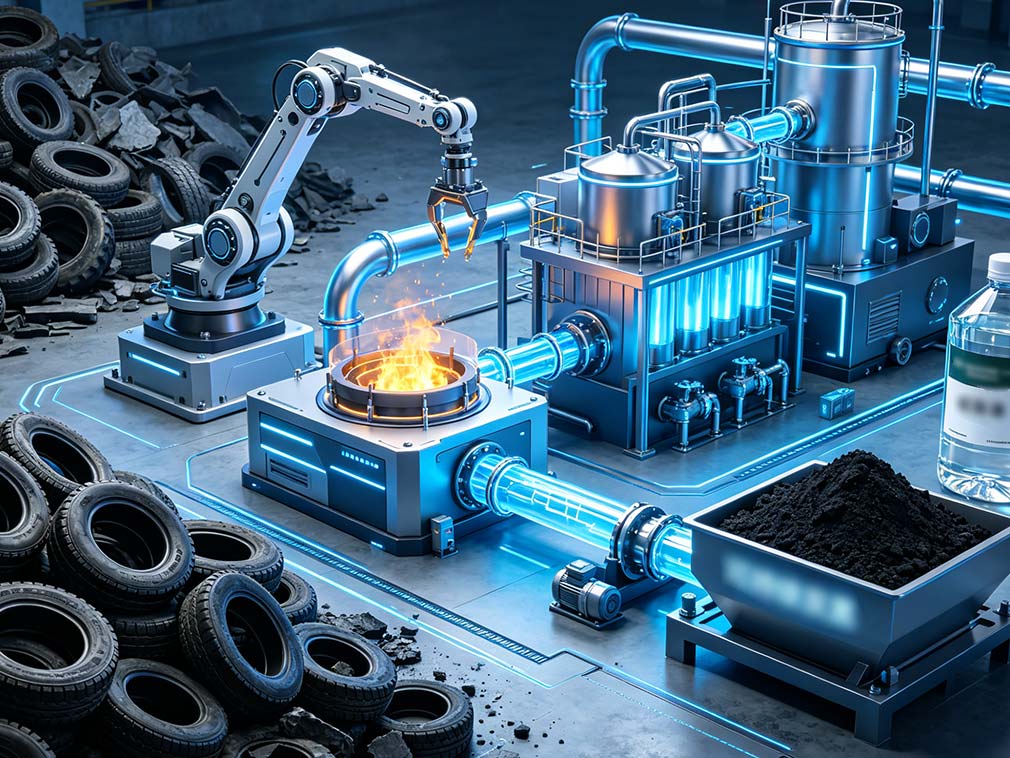
Currently, the mainstream approach to waste tire recycling in China still revolves around pyrolysis technology. This pyrolysis process converts waste tires into basic recycled raw materials such as recycled carbon black, tire pyrolysis oil, and steel wire. This technology is mature, highly adaptable, and can quickly absorb existing waste tire resources, making it the mainstream choice for large-scale development in the industry.
According to data from the Ministry of Industry and Information Technology at the end of 2024, there were 79 companies nationwide that met the "Industry Standard Conditions for Comprehensive Utilization of Waste Tires," with a total annual processing capacity of nearly 5 million tons, effectively revitalizing waste tire recycling resources. However, for a long time, recycled products have been concentrated in the field of basic raw materials, and the lack of high-end structural recycled materials has become a key bottleneck restricting the large-scale production of sustainable tires.
Tires are complex industrial products. Besides the rubber matrix, steel cord, as the core skeleton material, plays a crucial role in supporting the tire structure and ensuring driving safety, accounting for approximately 5%-15% of the total tire weight and is an indispensable core raw material.
Previously, steel wire extracted from waste tire pyrolysis was mostly recycled as ordinary steel, which could not meet the stringent requirements for strength, toughness, and precision of high-end tire steel cord, and could not be returned to the tire production system, resulting in the failure to establish a closed-loop cycle for the core structural materials of tires.
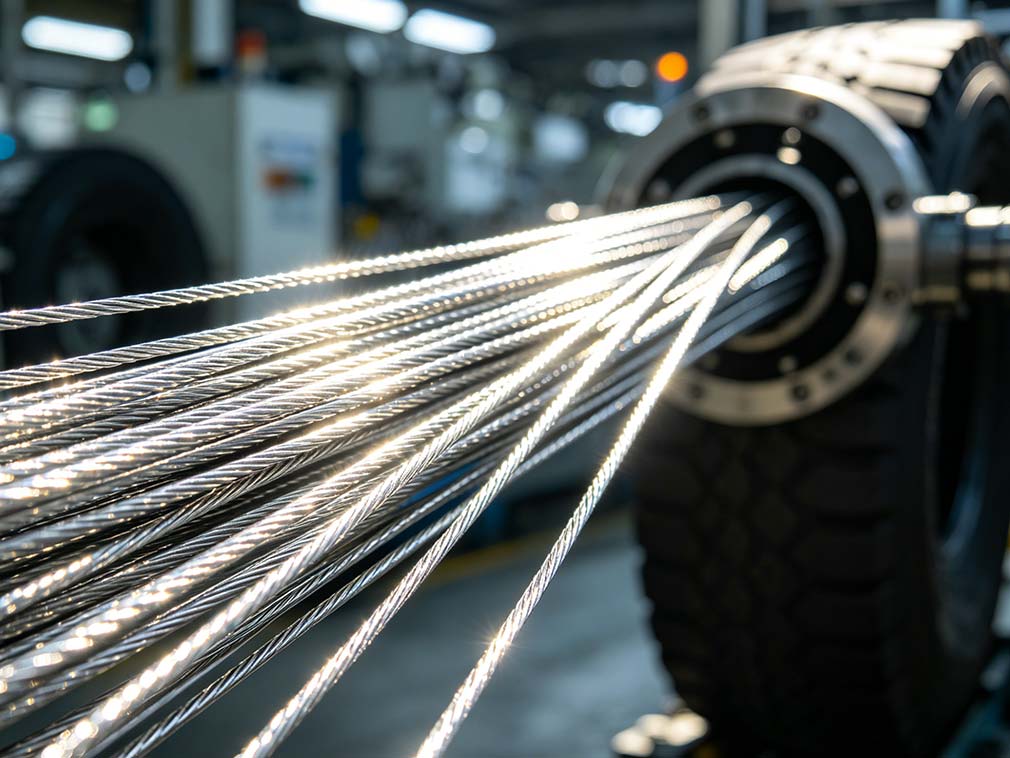
Recently, the research and development and implementation of sustainable steel cord products have effectively broken through this industry bottleneck, providing key raw material support for achieving the commercial production of 100% sustainable tires by 2050.
Currently, some domestic companies have achieved technological breakthroughs, completing a closed-loop production cycle from waste tire steel wire to high-quality steel cord, and will achieve large-scale supply by 2025, opening a new path for the green recycling of core tire components.
Meanwhile, international materials companies are continuously iterating their technologies, launching steel cord solutions with high recycling content. This significantly increases the application ratio of recycled steel while ensuring tire safety and mechanical strength.
Compared to traditional pyrolysis recycling products, the core value of sustainable steel cord lies in achieving a "tire-to-tire" same-level cycle, rather than downgrading. Traditional waste tire steel wire recycling often flows to the low-end steel market, resulting in low added value and limited recycling rates.
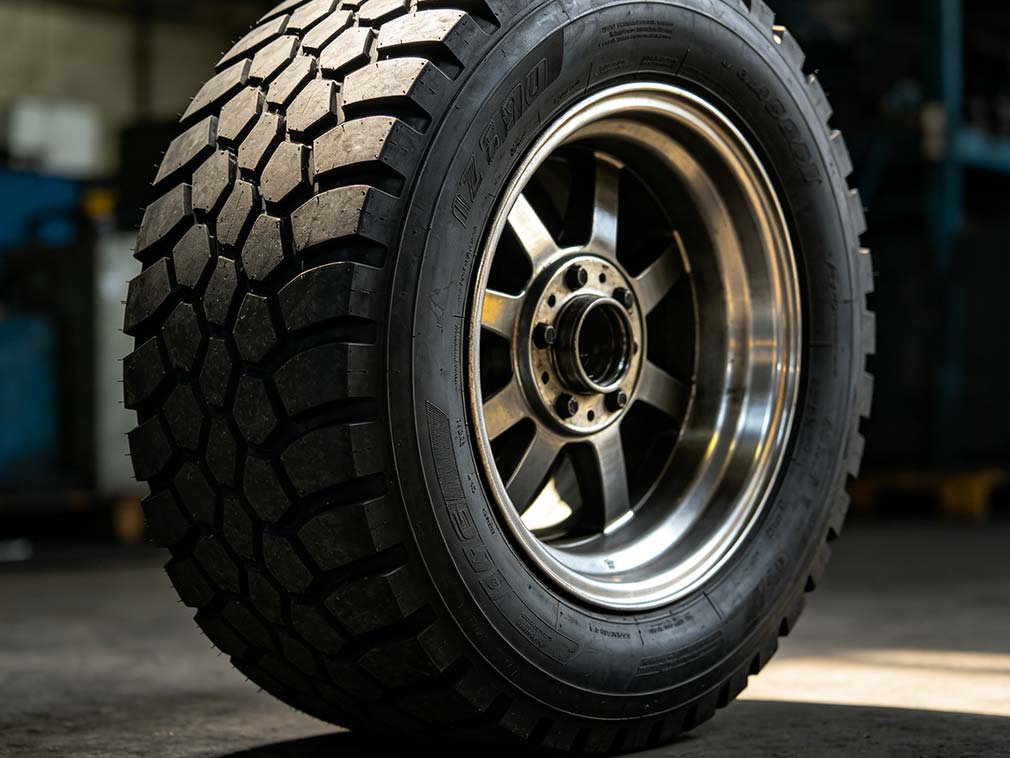
New technologies can refine and modify waste tire steel wire, making the recycled steel's quality standards and performance comparable to virgin materials, fully meeting the production requirements of new tires, thus truly achieving closed-loop recycling of high-end materials.
The implementation of this product fills a crucial gap in the tire green supply chain. Previously, the industry could only achieve sustainable supply of some raw materials such as rubber and filler additives. Now, the green recycling of the skeleton steel cord signifies that core raw materials in tires, such as rubber, carbon black, and steel, can all be recycled.
As sustainable steel cord production capacity is gradually released, the proportion of sustainable materials in tire products will increase significantly, helping companies steadily advance their low-carbon development goals for 2030 and 2050, and propelling the tire industry from a single raw material cycle to a new stage of green circularity characterized by a complete chain, high quality, and large scale.
-
National Day Highway Charging Hits Record: +60.4% YoY(Oct 8)8264
-
New Energy Vehicle Exports Accelerate: 3.435 Million Units in First 8 Months, Up 120% Year-on-Year(Oct 8)8882
-
Chinese Tire Exports: Volume Up But Revenue Down Nearly RMB 900 Per Ton(Oct 8)5408
-
CNH Industrial: Smart Farming, NE and Local Tech(Sep 30)5575
-
CNHTC Drives Surging NE Heavy Truck Exports(Sep 30)8500




