
Tire Grip: Traction, Safety Standards & Driving
The commonly mentioned "tire grip" is also known in the industry as "adhesion" or "stickiness." Although the names differ, their core meaning is highly consistent—they both refer to the interaction force between the tire and the road surface, a core performance indicator ensuring vehicle driving, braking, and steering safety.
In English, the two most commonly used terms to describe this performance are "traction" and "grip": the former emphasizes the vehicle's traction and adhesion during driving, while the latter emphasizes the tire's grip when it is in contact with the road surface. These two expressions are universally accepted in the global tire industry and automotive sector, and are also common professional terms in European and American official standards.
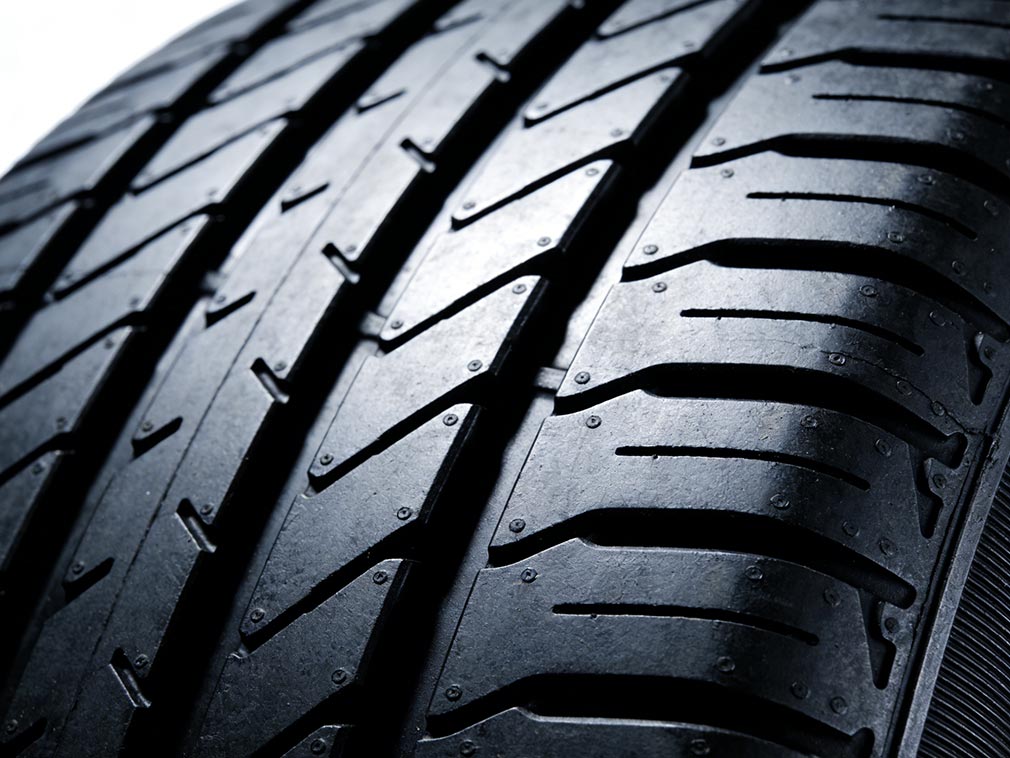
From a physical perspective, tire grip is not a single force, but rather a combination of adhesive force and mechanical engagement force. Adhesive force originates from the microscopic adsorption effect between rubber molecules and road surface molecules, and is the main source of grip on dry roads; while mechanical engagement force refers to the frictional resistance formed when the tire tread rubber embeds into the microscopic uneven structure of the road surface, playing a crucial role in wet or rough road conditions.
The two work together to enable vehicles to achieve smooth starts, emergency braking, and stable cornering. Insufficient grip can easily lead to dangerous situations such as skidding, sideslipping, or increased braking distance, directly threatening driving safety.
To standardize tire performance and improve road safety, the United States and Europe have established comprehensive official tire grip grading systems. These standards are continuously updated to adapt to advancements in tire technology and changing safety requirements. The two systems have different testing focuses and grading markings, allowing consumers to intuitively understand a tire's grip level through markings on the tire itself.
The United States uses the UTQG (Uniform Tire Quality Grading Standard), developed by the U.S. Department of Transportation. Grip is graded from highest to lowest as AA, A, B, and C. Testing primarily assesses a tire's straight-line braking ability on wet asphalt and concrete surfaces, excluding dry performance and cornering grip. AA is currently the highest grade, and C is the lowest compliance grade. This marking is directly engraved on the tire sidewall for easy consumer identification.
Europe, on the other hand, follows the tire labeling grading system with UNECE R117 regulations. Since its update in 2020, the current grading system consists of five levels, A to E (A being the highest and E the lowest). The primary test is the wet grip index, focusing on assessing braking distance and grip performance on slippery surfaces.
Compared to the US standard, this system is more suited to the rainy and humid road conditions in Europe. Data shows that at the same vehicle speed, A-level wet grip tires can shorten braking distance by several meters compared to E-level tires, significantly reducing the risk of collisions in emergency avoidance scenarios. This grading information is mandatory and must be labeled on the tire, serving as a core compliance indicator for tire distribution in the EU market.
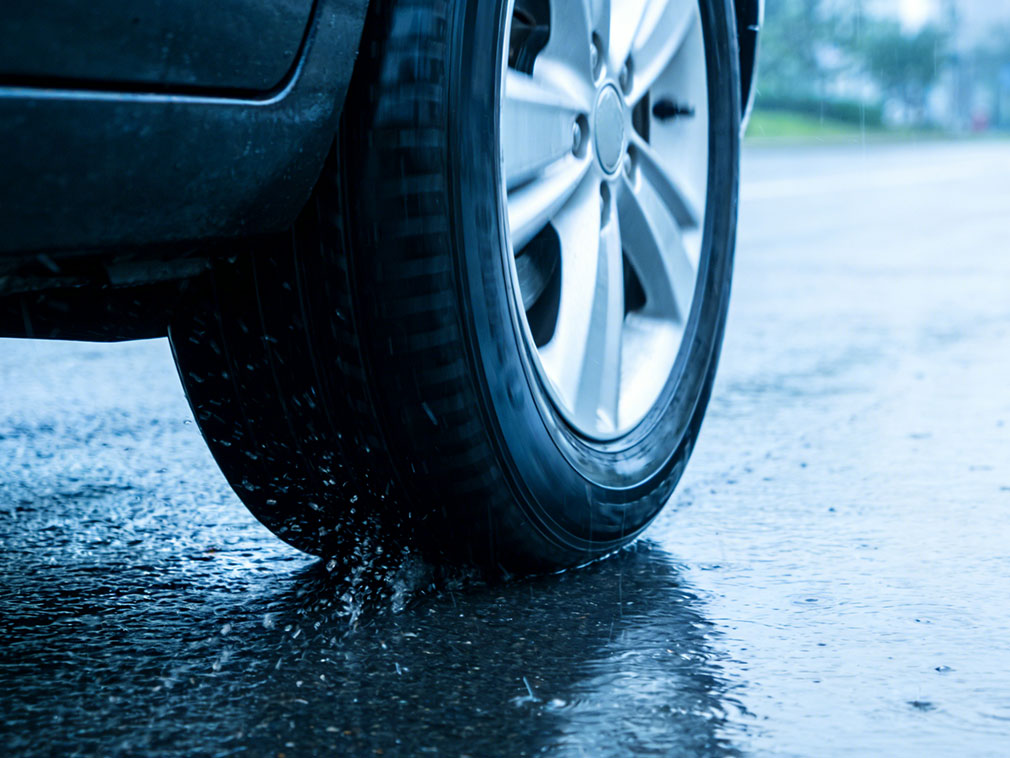
Global road safety data shows that over 60% of traffic accidents caused by tire problems are directly related to insufficient grip. In wet, snowy, or icy conditions, reduced grip can lead to a significant increase in braking distance and a marked rise in the risk of loss of steering control.
Furthermore, excessive tire wear, clogged tread grooves, and abnormal tire pressure can also significantly weaken grip performance. Even if the original tires meet the standards, improper maintenance can still reduce grip below the safe threshold.
It's important to note that stronger grip isn't always better—excessive grip often comes with increased rolling resistance and accelerated tread wear. Drivers should strike a balance between safety and durability based on their actual driving conditions.
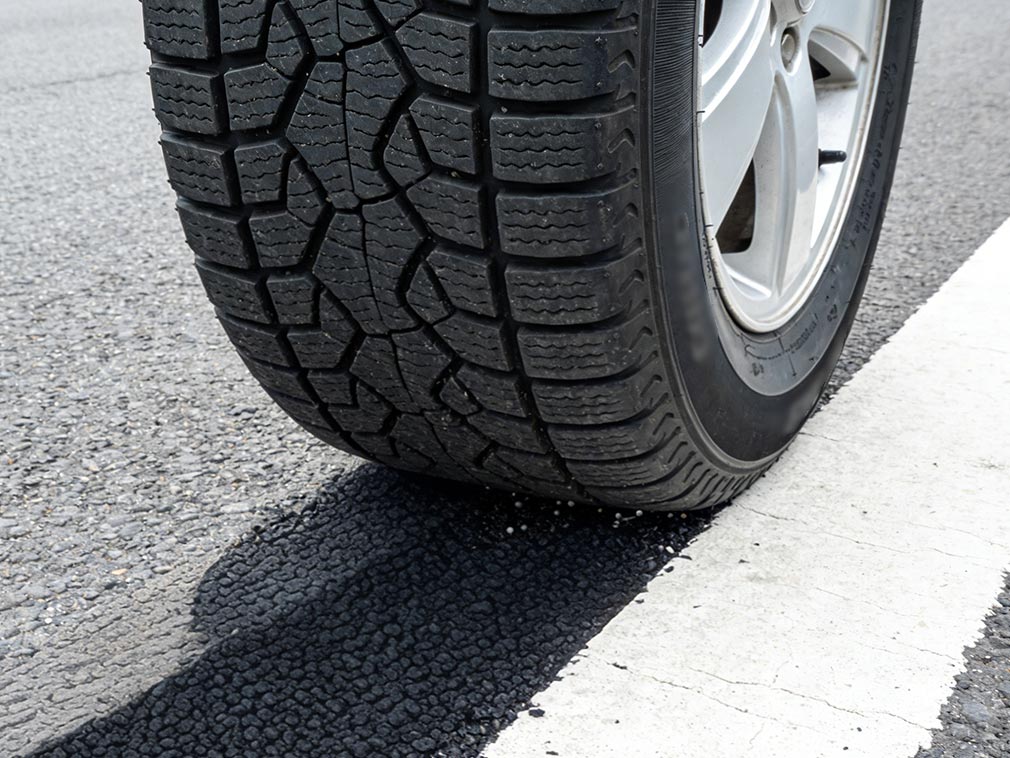
For the average driver, there's no need to delve into complex mechanics; simply keep the following points in mind:
When purchasing tires, pay attention to European and American grip ratings and prioritize products with higher wet performance ratings suitable for local road conditions.
Regularly check tire tread depth, tire pressure, and wear, and replace worn or excessively worn tires promptly.
When driving on wet or slippery roads, always reduce speed and avoid sudden acceleration, braking, and sharp turns.
By selecting tires scientifically and using vehicles properly, you can minimize the risk of accidents caused by insufficient grip and effectively protect driving safety.
-
National Day Highway Charging Hits Record: +60.4% YoY(Oct 8)8273
-
New Energy Vehicle Exports Accelerate: 3.435 Million Units in First 8 Months, Up 120% Year-on-Year(Oct 8)8891
-
Chinese Tire Exports: Volume Up But Revenue Down Nearly RMB 900 Per Ton(Oct 8)5414
-
CNH Industrial: Smart Farming, NE and Local Tech(Sep 30)5588
-
CNHTC Drives Surging NE Heavy Truck Exports(Sep 30)8507




