
Tire Raw Material Costs Drive Industry-Wide
On April 1, 2026, the domestic tire market officially ushered in a wave of price increases across the board. Leading companies such as Zhongce Rubber, Sailun Tire, and Linglong Tire were the first to implement the new prices, with all products, including all-steel and semi-steel tires, generally increasing by 2% to 5%, and some specifications seeing increases approaching 10%.
This marks the concentrated implementation of the industry's intensive price adjustments since March, officially ushering the domestic tire market into an upward price trend. As of that day, the industry had issued over 80 price increase notices, covering the vast majority of domestic tire manufacturers. The breadth and intensity of the price increases have become the most watched focus in the industry recently.
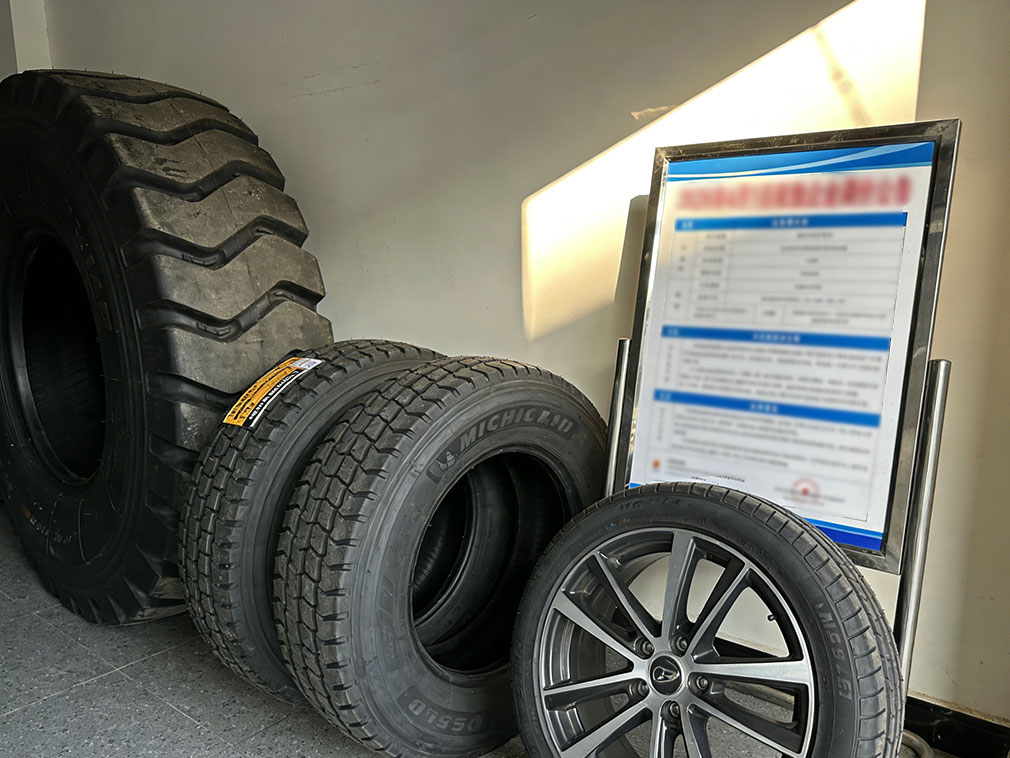
This round of across-the-board tire price increases was not due to proactive price adjustments by companies; the core driving force came from the rigid increase in upstream raw material costs. According to industry monitoring, natural rubber, synthetic rubber, and carbon black, the three core raw materials, account for more than 70% of tire production costs.
Recently, the prices of all three have risen sharply, coupled with rising costs of auxiliary materials and logistics, pushing tire companies' overall cost pressure to a cyclical high. Natural rubber, as a core raw material, accounts for approximately 30% of the production cost of all-steel tires.
Southeast Asia's main rubber-producing regions are currently entering their traditional off-season, with production seasonally declining in March and April. This, coupled with an 8% year-on-year increase in imported CIF prices, has directly driven up prices. As of April 2nd, domestic rubber futures prices had reached 16,666 yuan/ton, a significant increase from the beginning of the year.
The soaring prices of synthetic rubber and carbon black have further exacerbated cost pressures. Synthetic rubber (styrene-butadiene rubber and butadiene rubber) accounts for 25% to 30% of tire costs, and its price is deeply tied to international oil prices.
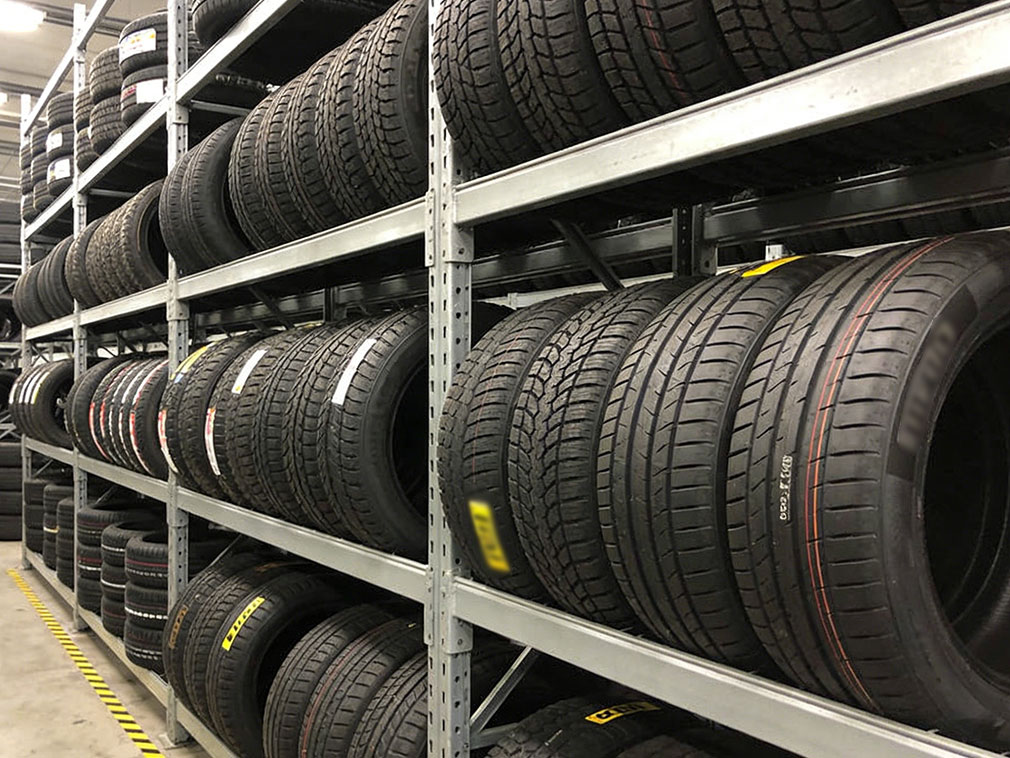
Recently, Brent crude oil prices broke through $113/barrel, driving up the cost of oil-based raw materials. Simultaneously, several domestic synthetic rubber production units have started maintenance, leading to tight supply and pushing up butadiene prices by 12%. Carbon black, as an important filler, accounts for approximately 15% of costs.
Affected by a cumulative increase of 550 to 660 yuan/ton in coal tar prices and environmental protection-related production restrictions, industry capacity has contracted by 15%. Since 2026, carbon black prices have surged by 13% in a single month, with the mainstream price of N660 grade increasing by 2,000 yuan/ton compared to the beginning of the year, a rise of 12.5%.
In terms of market implementation, this round of price increases has shown a pattern of "leading price increases by top companies, followed by the entire industry." In early March, Goodyear and Zhongce Rubber were among the first to adjust prices; in mid-to-late March, leading companies such as Sailun, Linglong, and Guizhou Tire followed suit, clearly stating that they would raise product prices from April 1st.
Specifically, Sailun Tire raised prices for its TBR products by 3% to 5%, Fengshen Tire raised prices for all its products by 2% to 5%, and Cheng Shin Tire raised prices for all tire types by 5%.
In the end-market, demand for passenger car tires remained stable, while commercial vehicle tires benefited from the recovery of the logistics industry, showing strong demand resilience and providing support for companies to maintain prices. However, some small and medium-sized tire companies, due to digesting previously low-priced inventory, adjusted prices slightly slower than the leading companies.
This price increase has had varying degrees of impact on upstream and downstream markets. For tire manufacturers, raising prices is a necessary measure to alleviate cost pressures. Leading companies, leveraging their scale advantages, will see smoother price increases, potentially further boosting their market share.
Small and medium-sized enterprises (SMEs), however, face the dual pressures of cost and inventory, increasing operational difficulties. For terminal dealers and stores, the new prices will be fully implemented from mid-April, with terminal transaction prices rising by 3% to 6% month-on-month.
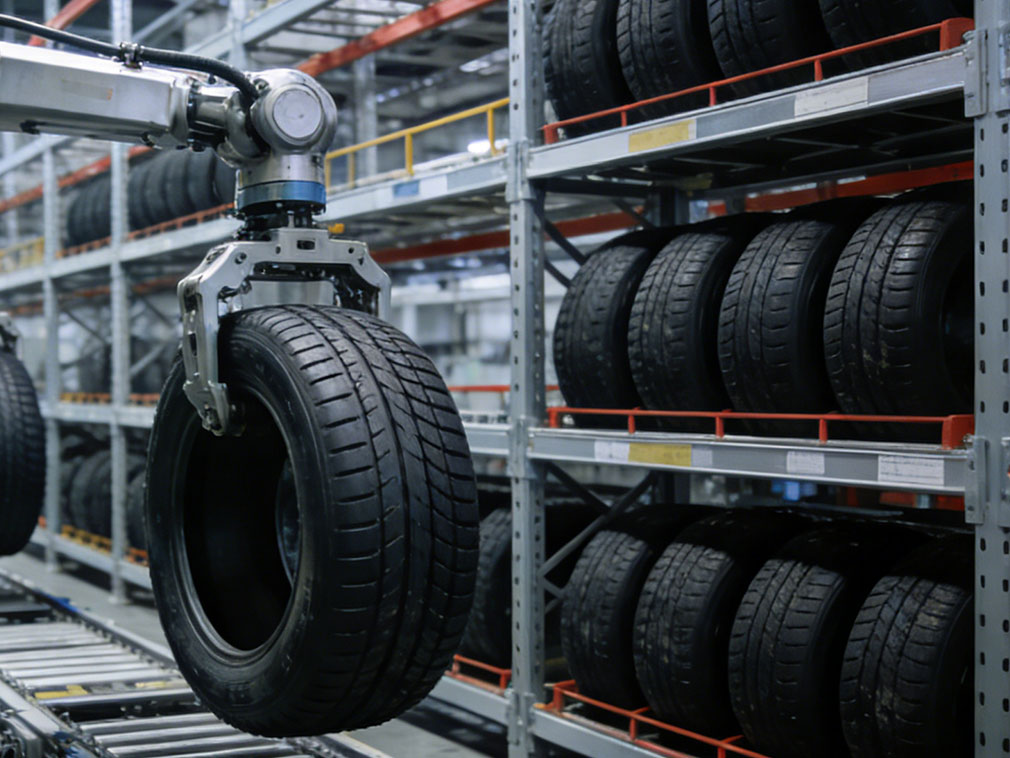
However, due to weak demand recovery, actual transactions will likely involve slight discounts, with the price increase implementation rate estimated at 70% to 80%. For car owners, tire replacement costs will increase, especially for commercial vehicle owners, as the added logistics costs may further compress profit margins.
Industry analysts believe that in the short term, fluctuations in raw material prices will continue to exert pressure, and a second round of small price adjustments (2% to 3% increase) by some companies in mid-April cannot be ruled out. In the long term, as the industry's competitive landscape improves, leading companies are expected to recover their performance, while smaller, less efficient manufacturers will be phased out more quickly.
It is recommended that car owners and terminal merchants plan their procurement and replacement cycles rationally to mitigate cost risks from price fluctuations and jointly cope with market changes during the industry adjustment period.
-
National Day Highway Charging Hits Record: +60.4% YoY(Oct 8)8264
-
New Energy Vehicle Exports Accelerate: 3.435 Million Units in First 8 Months, Up 120% Year-on-Year(Oct 8)8882
-
Chinese Tire Exports: Volume Up But Revenue Down Nearly RMB 900 Per Ton(Oct 8)5408
-
CNH Industrial: Smart Farming, NE and Local Tech(Sep 30)5575
-
CNHTC Drives Surging NE Heavy Truck Exports(Sep 30)8500




