
Tread Porosity in All-Steel Radial Tire
In tire manufacturing, the quality of tread extrusion directly affects the appearance, durability, wear resistance, and high-speed performance of the finished tire. Among these factors, "tread porosity" has consistently been a significant production challenge for many factories, especially in the large-scale production of all-steel radial tires, where the requirements for process precision are higher.
Controlling this defect is more difficult, and its negative impact is more pronounced. All-steel radial tires are primarily used in demanding scenarios such as heavy-duty freight transport and engineering operations, requiring extremely high density and structural stability of the tread compound. If the tread porosity exceeds the controllable range, it will trigger a chain reaction of quality problems, significantly reducing product yield and reliability.
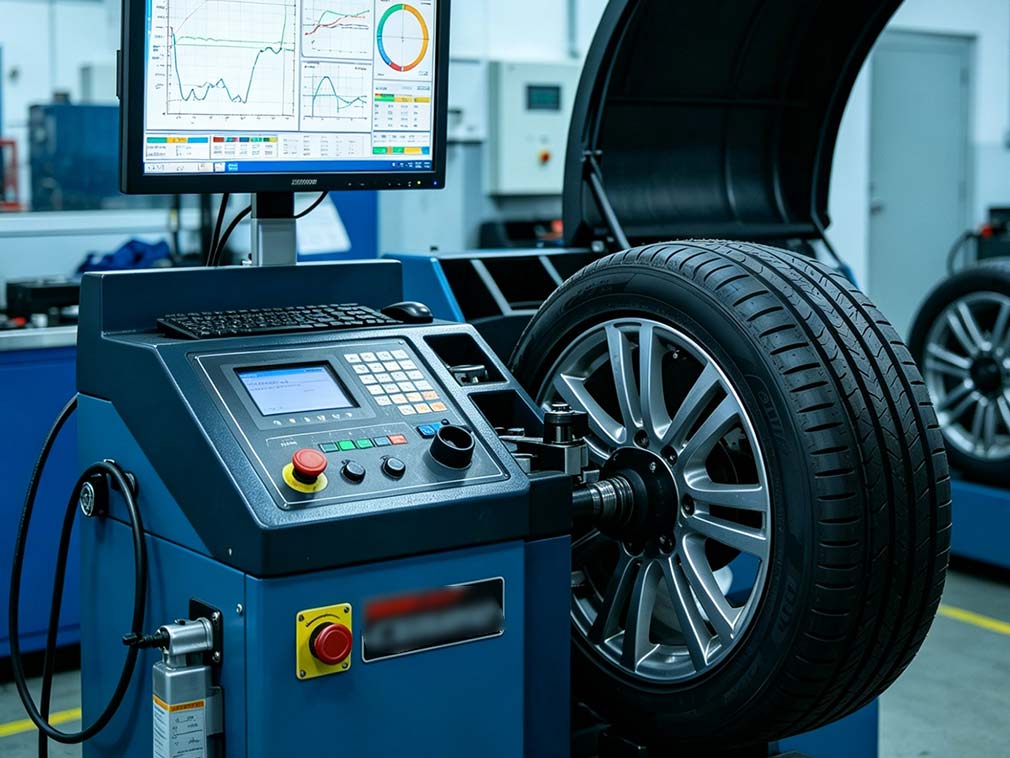
From the perspective of appearance and dimensional accuracy, dense micropores inside the tread and fine pores on the surface directly lead to surface roughness and uneven gloss. Simultaneously, it disrupts the stability of the rubber compound extrusion molding, causing slight fluctuations in tread thickness and width, which in turn affects the subsequent molding and bonding accuracy.
These appearance and dimensional defects not only make it difficult for the finished tire to meet quality standards but also interfere with overall molding accuracy, causing problems such as bonding misalignment and molding defects, increasing the probability of rework.
In terms of tire performance, the harm caused by porosity defects is far more profound. Production test data shows that tread compounds with excessive porosity exhibit significant reductions in 300% tensile stress, tear strength, and abrasion resistance. During tire operation, the tread continuously bears friction, compression, and flexural loads, causing internal pores to gradually expand and connect, forming stress concentration areas.
This can lead to accelerated tread wear and shortened tire lifespan; in severe cases, under high-speed driving, heavy loads, or complex road conditions, it can induce tread cracks, localized delamination, and other structural damage. Simultaneously, the tiny gaps formed by pores hinder the complete vulcanization reaction, causing localized under-vulcanization of the tread and easily triggering rubber blooming, further compromising tread structural stability and significantly increasing driving safety hazards.
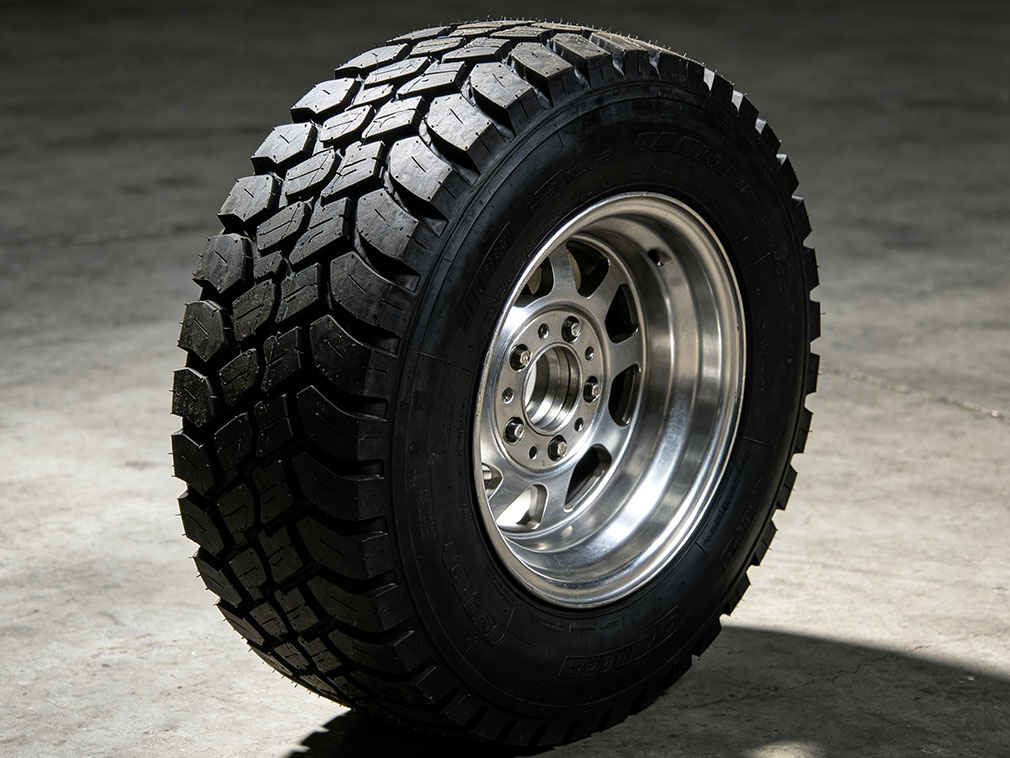
From a factory production and operation perspective, excessive tread porosity is one of the core issues causing production cost losses and wasted capacity. Treads with minor porosity defects require manual grinding and repair, followed by secondary inspection, increasing labor and time costs; treads with dense pores and severe defects cannot be used in subsequent molding processes and must be scrapped.
In mass production, entire batches of waste tread material are easily generated, resulting in multiple losses of rubber, energy consumption, and equipment capacity. Simultaneously, if substandard tread material flows into subsequent processes, it will lead to substandard finished tire quality, triggering rework and downgrading, directly weakening the company's production efficiency and product reputation.
Current industry production practices show that abnormal tread porosity is not caused by a single factor, but rather is the result of a combination of issues related to raw materials, processes, and equipment. Moisture storage of rubber, excessive volatile matter content, unstable extruder head pressure, improper extrusion speed ratio, unreasonable pre-drilling structure design leading to air intrusion, and fluctuations in the production environment's temperature and humidity can all induce porosity defects.
Due to its complex causes and multiple control dimensions, tread porosity remains a key quality challenge in the production of all-steel radial tires and a core control indicator for major tire manufacturers to optimize processes and improve product quality.




