Rising Tire Material Costs Alert
In June 2026, the domestic tire manufacturing industry experienced another round of raw material price increases. Prices of core production raw materials rose across the board, coupled with simultaneous increases in domestic and international logistics and energy costs, leading to a continuous rise in the overall cost of tire manufacturing and significantly squeezing the industry's profit margins.
As of June 2nd, the price of the main domestic rubber futures contract remained stable at 18,145 yuan/ton, with the natural rubber futures market continuing its upward trend. The clear upward trend in raw material prices has driven the cost center of gravity of the entire tire industry chain to continue to rise.

Natural rubber, as a core raw material for tire production, is primarily driven by tight overseas spot supply in this round of price increases. Currently, the main producing areas in Southeast Asia are experiencing a period of climate fluctuation, with frequent rainfall and high temperatures disrupting normal rubber tapping operations.
Simultaneously, the producing areas are in a phased transition of the rubber tapping cycle, slowing the release of new rubber and continuously contracting the supply in the spot market. Under this supply-demand imbalance, Southeast Asian natural rubber spot prices have steadily increased, which has been transmitted to the domestic market, driving a steady rise in natural rubber spot prices.
Downstream demand is strong, providing support for purchases and limiting the room for price corrections. Natural rubber accounts for over 30% of the total cost of tire raw materials, and its continuously rising price is a key driver of increasing tire costs.
The synthetic rubber market is following suit, creating a resonance effect in raw material prices. Recently, international crude oil prices have remained high, and the cost of upstream butadiene raw materials has continued to climb, providing solid cost support for synthetic rubber. Affected by this, mainstream prices for domestic styrene-butadiene rubber and butadiene rubber have been successively raised, and market transaction prices have steadily increased.
Synthetic rubber is also a key raw material for tire production, accounting for more than half of the total cost of tire raw materials together with natural rubber. The simultaneous rise in prices of these two core rubber compounds directly pushes up the basic production cost of tires, posing a significant challenge to tire companies' cost control.
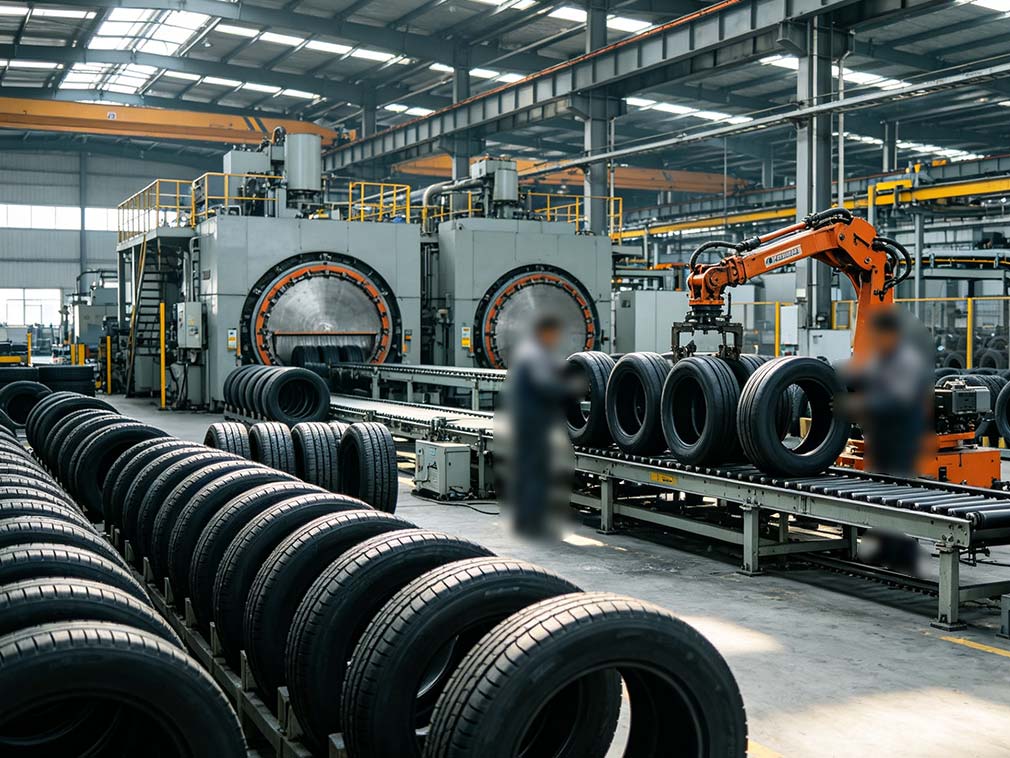
In addition to rubber raw materials, the prices of tire-related raw materials are also rising, further exacerbating cost pressures. Carbon black, as a key auxiliary material for reinforcement and wear resistance, has seen its price rise continuously since late May due to tight upstream coal tar supply and limited operating rates at coking plants. The upward trend continued in June, adding to the auxiliary material costs of tire production.
Meanwhile, the price of steel used in tire carcasses fluctuated slightly upwards. Rising costs of metallurgical raw materials and processing have driven up steel prices, coupled with stable to strong prices for additives and auxiliary materials needed for tire production, resulting in a price increase across all raw material categories.
Cost pressure also stems from the continued escalation of costs in logistics and energy. Currently, both domestic and international cross-border logistics costs and domestic trunk transportation costs are rising simultaneously, with increased logistics costs for transporting raw materials from overseas production areas and shipping finished tires domestically.
At the same time, industrial electricity and production fuel prices remain high, continuously increasing energy costs for large-scale tire production. The combination of multiple cost factors has pushed tire manufacturing into a phase of rising costs across multiple stages.
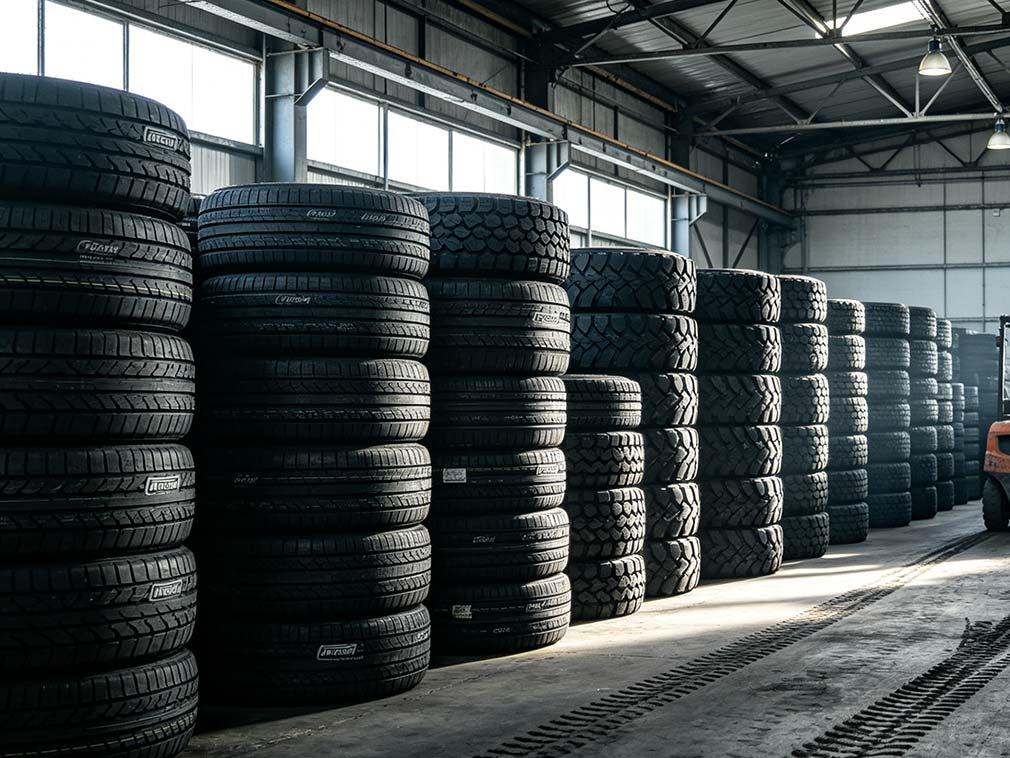
From the industry's current perspective, this round of raw material price increases is widespread and persistent, with small and medium-sized tire companies facing more significant cost pressures. Even leading companies are finding it difficult to fully offset the pressure of price increases across the board.
Signs of cost transmission are already emerging in the industry, with some tire brands adjusting their product prices to alleviate operational pressures.
Industry analysts believe that short-term supply disruptions in Southeast Asian production areas and the high level of crude oil prices are unlikely to reverse quickly, and the upward trend in tire raw material prices may continue, leaving the industry as a whole operating at high costs. Future market supply and demand and price trends will depend heavily on weather conditions in production areas, crude oil price fluctuations, and changes in end-market demand.