
China's tire exports are poised for growth
Since 2026, China's domestic tire export market has continued its recovery, benefiting from both favorable policies and market conditions, resulting in a significantly improved export environment. Multiple overseas trade barriers have eased, global tire demand has steadily recovered, and the obstacles for Chinese tire companies to expand overseas have been significantly reduced.
In particular, tariff policy adjustments in the EU and Colombia have provided a strong boost, becoming the core engine of export growth and driving the continuous improvement of the competitiveness of Chinese tires in the global market.
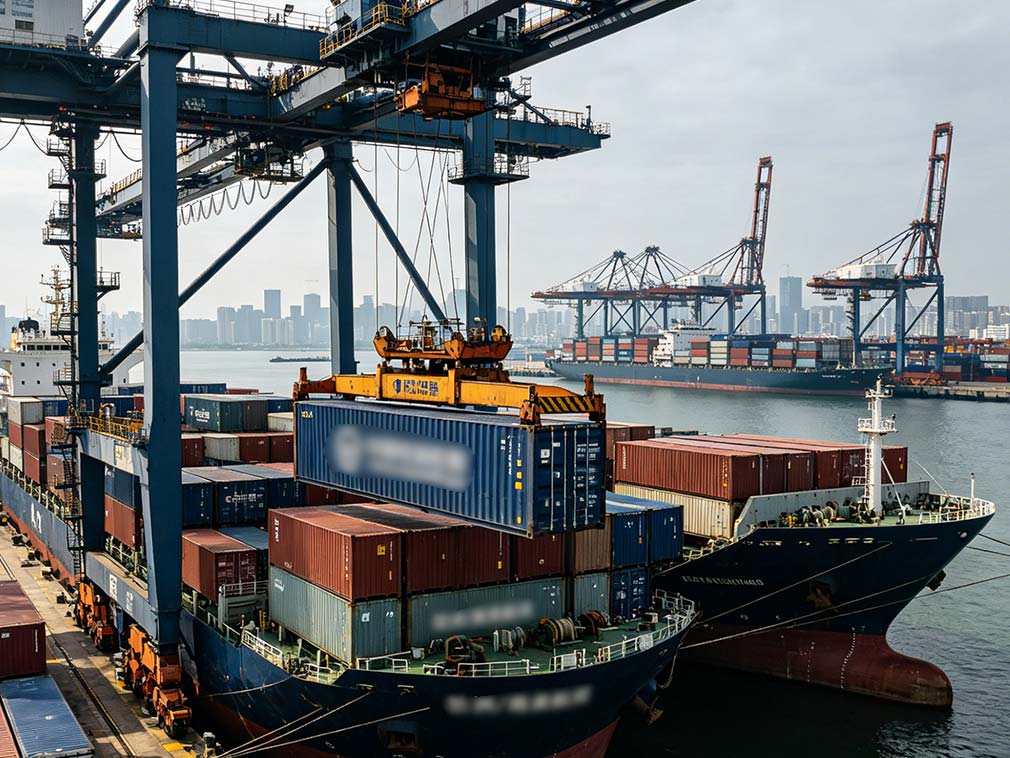
The EU's latest trade policy adjustments have opened up new opportunities for domestic passenger car tire exports. The European Commission recently officially lowered the anti-dumping duty rate on Chinese passenger car tires from 15.2% to 8.3%. This substantial reduction directly lowers the tariff costs and operational pressure of exports to Europe. Previously, high anti-dumping duties had long squeezed export profits, restricting the distribution and promotion of Chinese passenger car tires in the European market.
After the tariff reduction, the price advantage of domestically produced tires has gradually become apparent, fully releasing their cost-effectiveness, effectively offsetting the competitive pressure from European domestic tires and imported tires from Southeast Asia, and helping domestic tire manufacturers to cultivate the existing European market and tap into new demand.
Positive signals have also emerged from the South American market, further expanding the overseas footprint of Chinese tire manufacturers. The Colombian government issued an official announcement suspending anti-dumping duties on truck and bus tires originating from China and establishing an 18-month policy observation period.
Truck and bus tires are essential components for commercial vehicles, with strong demand in South American infrastructure construction and logistics. Previously, anti-dumping tariffs had long restricted the entry of domestically produced commercial tires into Colombia and surrounding South American markets.
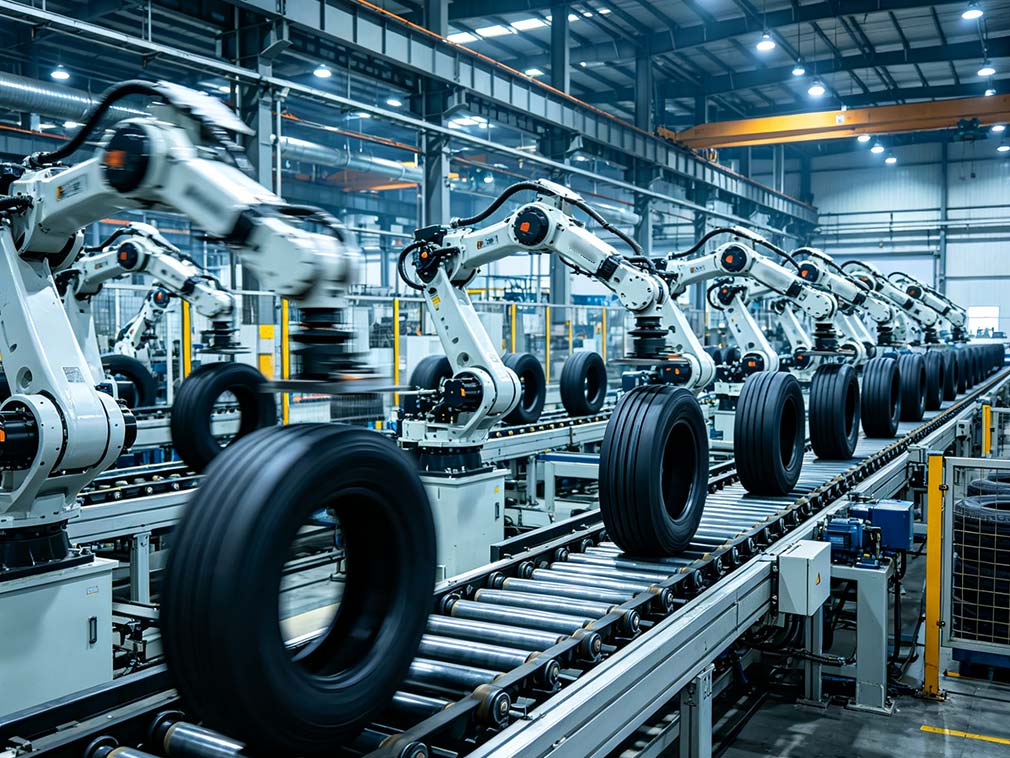
This tax-free window not only provides a favorable opportunity for domestic truck and bus tire companies to expand into emerging South American markets but also creates conditions for building a reputation in overseas commercial markets and establishing stable distribution channels.
The EU's tax reduction on passenger car tires and the Colombian tax exemption on truck and bus tires have formed a "dual engine" for industry export growth, precisely covering the two core tire categories of passenger cars and commercial vehicles, fully activating export vitality.
Customs data shows that in the first quarter of 2026, China's tire exports reached 120 million units, a year-on-year increase of 7.5%, maintaining a steady upward trend in export growth. By product category, both passenger car tires and truck/bus tires saw positive year-on-year exports in the first quarter, demonstrating balanced development across product categories and confirming the effectiveness of policy benefits.
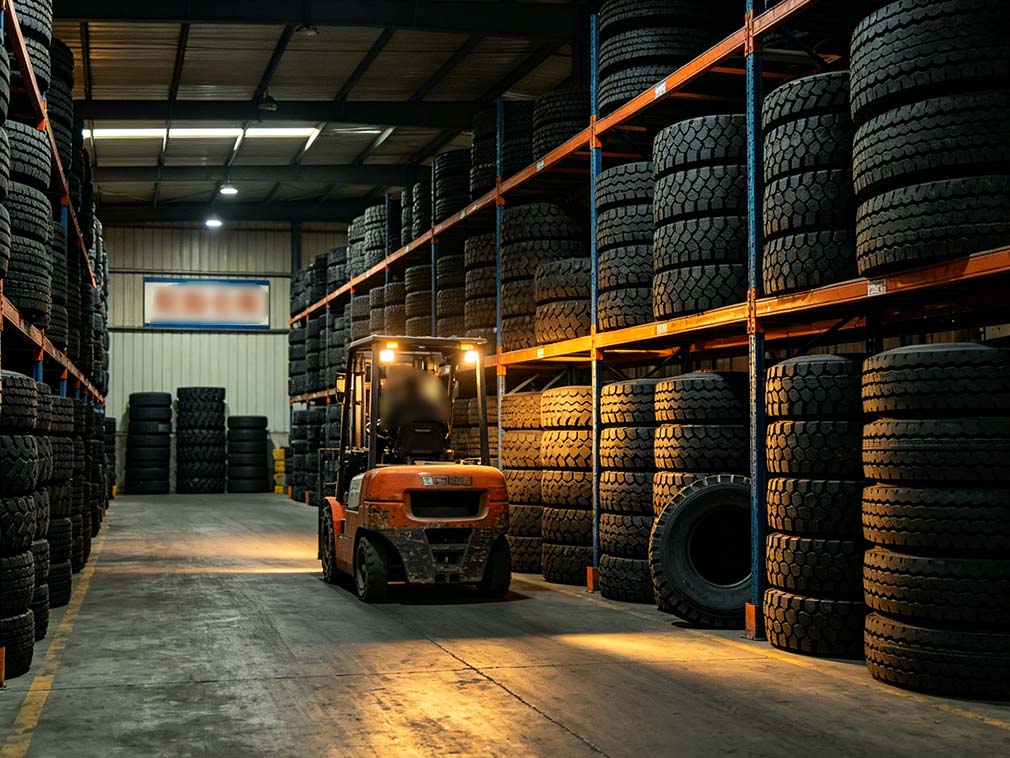
From the perspective of industry development stages, this round of policy support coincides with a crucial juncture in industrial transformation and upgrading. In recent years, domestic tire companies have continuously promoted technological upgrades, quality optimization, and capacity iteration.
Their products have consistently improved in core indicators such as wear resistance, safety, and energy efficiency, reaching international mainstream standards and possessing the strength to compete in the global mid-to-high-end market.
Previously, due to overseas trade barriers, the market value of high-quality domestic tires was not fully realized. This round of tariff reductions and tax exemptions has further highlighted the cost-effectiveness advantage of high-quality domestic tires, significantly enhancing their market adaptability.
Meanwhile, the global tire supply and demand structure continues to optimize, providing a favorable external environment for export growth. The steady recovery of the European automotive market, the ongoing infrastructure projects in South America, and the generally low global logistics and shipping costs have further reduced the overall cost of tire exports.
Against this backdrop, leading domestic tire companies are increasing their overseas market presence, optimizing their export product structure, expanding the proportion of mid-to-high-end products, and gradually reshaping market perception. Industry analysts point out that in the short term, the two major overseas policy benefits will continue to be released, supporting steady growth in tire exports throughout 2026.
In the long term, the temporary easing of trade barriers provides Chinese tire companies with a valuable window of opportunity to accumulate overseas market experience and build an international brand image. With the continuous improvement of the core competitiveness of domestically produced tires, the industry will steadily expand its global market share and accelerate its transformation from large-scale exports to high-quality exports.




