170-Fold Surge: NEVs 30%, Trust Bottleneck(Sep 29)
Used Car Exports Surge 170-Fold in Six Years: New Energy Vehicles Exceed 30%, but Trust Remains the Bottleneck
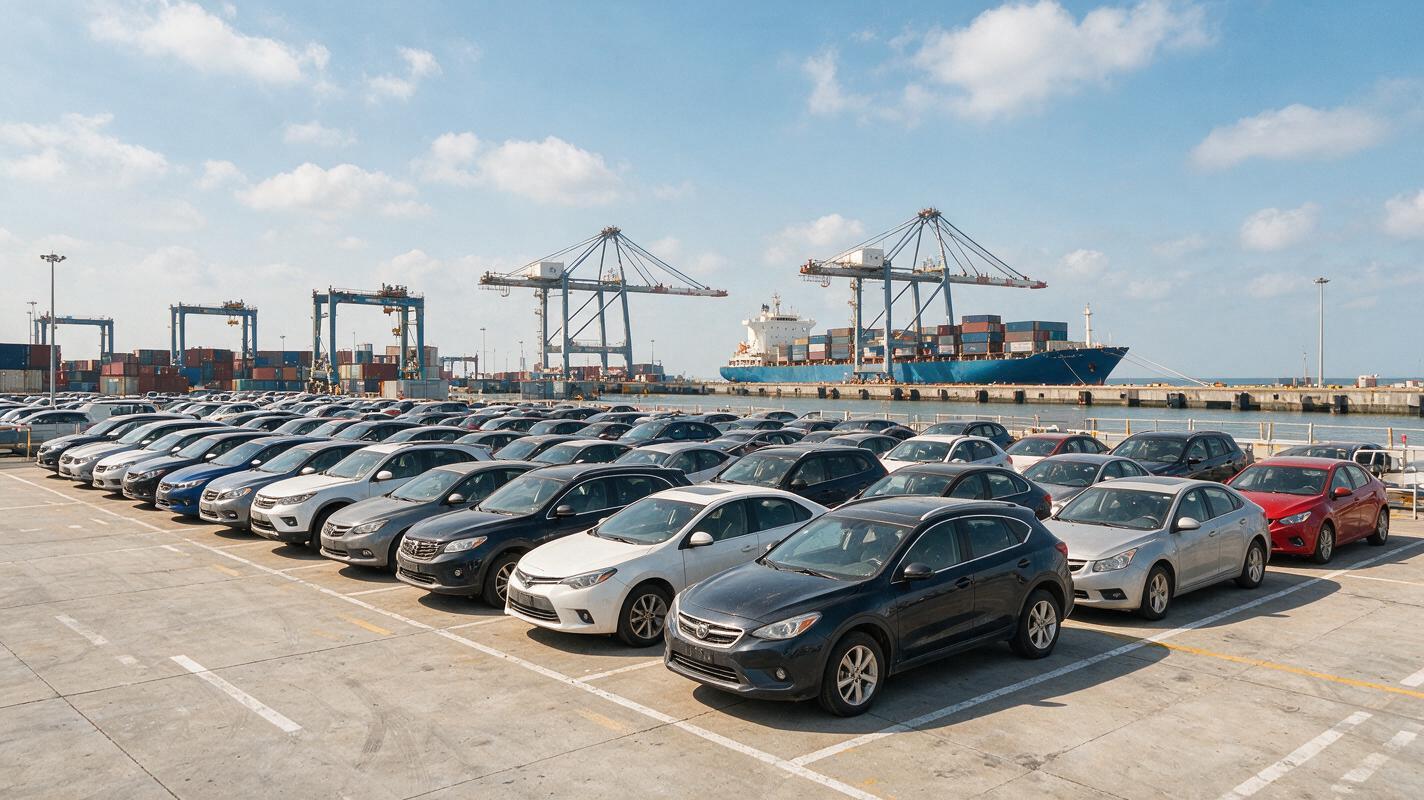
A previously low-profile export category is quietly expanding to a significant scale. Industry data shows that China's used car exports grew from 4,300 units in 2020 to 746,000 units in 2025. In the first half of 2026, cumulative exports reached 325,000 units valued at USD 7.6 billion, representing year-on-year growth of 61% in volume and 54% in value. As context, China's overall automobile exports continue to surge, with 7.153 million units exported from January to August, a year-on-year increase of 66.7%, and monthly export volumes consistently exceeding 1 million units.
The vehicle supply base is solid. China's domestic automobile fleet exceeds 360 million units, with annual transactions surpassing 20 million units. Vehicles aged 3 to 8 years are entering replacement cycles, providing a stable supply for exports. A notable detail: the international commercial vehicle replacement cycle is approximately 44 months, while Chinese engineering commercial vehicles typically enter replacement at 24 months, creating a cost advantage in the export market.
The structure is changing rapidly. In 2026 exports, vehicles aged 3 to 5 years accounted for 64%, while new energy used vehicles exceeded 30% of exports, a year-on-year increase of 196%. The logic: China's accumulated NEV ownership overseas is translating into used vehicle circulation demand, a unique track for Chinese enterprises. Regional differentiation is significant: Russia imported 75,000 used passenger vehicles from China from January to August, nearly doubling from 38,000 in the same period last year. The Middle East, Africa, and Central Asia are also showing considerable growth.
The market is far from saturated. Approximately 55 countries globally are right-hand drive markets. After excluding markets that ban used car imports, there are about 115 to 117 left-hand drive countries aligned with China, meaning the target market ceiling is far higher than current market share suggests. However, challenges remain clear: whether vehicle condition is transparent, whether after-sales service can keep up, and whether standards can be mutually recognized directly determine whether overseas buyers will place repeat orders.
The industry is also self-regulating. Since January 2026, vehicles registered for less than 180 days are strictly restricted from being exported as used cars, effectively eliminating operations that passed new vehicles off as used. Long-term, overseas perception of Chinese vehicles centers on rich configurations and high cost-performance ratios, while weaknesses include delayed parts availability and lower resale value. Solving these issues has no shortcut: coordinating internal price management and building after-sales networks will determine whether China's used car exports transition from competing on scale to competing on systems.
This platform focuses on the import and export of Chinese automotive equipment, gathering hundreds of certified Chinese automotive suppliers and connecting with global buyers. The platform achieves full transaction transparency, expands diverse cooperation opportunities, and helps both domestic and foreign parties build deep and stable cooperation bonds. Whether you are looking for vehicle manufacturers, purchasing automotive parts, or need customized procurement solutions, CNAUTO is your trusted first choice for cooperation.
-
Multiple Factors Drive Natural Rubber Rally(Sep 29)7686
-
170-Fold Surge: NEVs 30%, Trust Bottleneck(Sep 29)7871
-
Liangshan Auto Show: Trailer Exports, Conmet Integration(Sep 28)7952
-
2,807 NEVs Shipped to South America via Zhuhai(Sep 28)7998
-
NIO, Geely Strike Charging & Battery Swap Alliance(Sep 28)8746