
2026 Waste Tire Market: Price Trends
Entering 2026, the domestic waste tire recycling market showed an overall trend of "category differentiation, regional balance, and steady adjustment." Influenced by multiple factors such as strengthened circular economy policies, changes in downstream resource utilization demand, and fluctuations in raw material prices, prices for different types of waste tires have formed a clear gradient, and the industry structure is accelerating its transformation towards standardization and high-value-added products.
Based on industry monitoring data from January 2026 and quotations from key recycling companies, the current purchase prices of core waste tire categories are clearly presented, and the driving logic behind these prices and their future trends deserve industry attention.
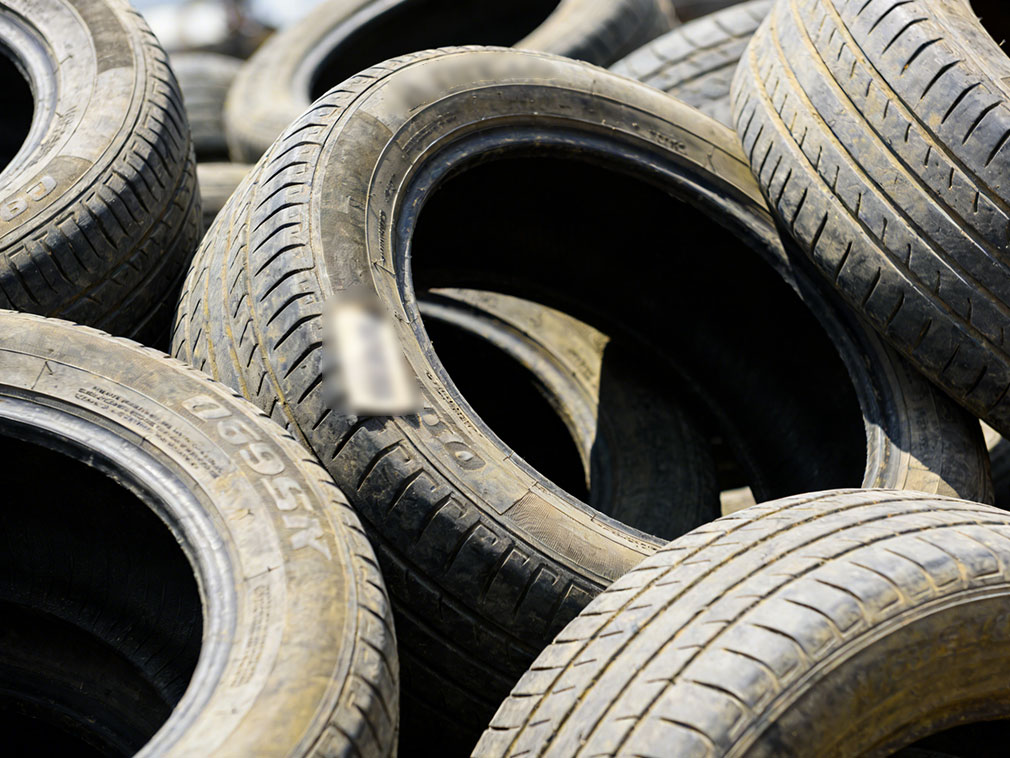
As an important component of comprehensive utilization of renewable resources, my country's waste tire recycling industry has maintained a recycling volume of over 6.3 million tons in recent years, exceeding 7 million tons in 2023, with a recycling value reaching 12 billion yuan, laying the industrial foundation for market price formation.
From the latest market prices, waste tire prices show significant stratification due to differences in category and specifications, and the price range is directly linked to the value of downstream resource utilization products.
Among them, the price of waste large steel wire tires used in commercial vehicles remained stable, continuing the relatively stable trend from before the Lunar New Year on the first working day of 2026. Purchase prices fluctuated little across regions, with mainstream transaction prices remaining in the range of 1500-1600 yuan/ton. This price level is consistent with the recent price trends of end products such as recycled carbon black and scrap steel.
In contrast, the price of waste small steel wire tires has slightly declined due to fluctuations in tire oil prices in some regions. Currently, the mainstream purchase price nationwide is 1300-1400 yuan/ton. In some areas, such as Anhui, due to relatively tight supply, prices have reached as high as 1400 yuan/ton, while in concentrated recycling areas such as Shandong and Hebei, where the industrial chain is well-developed and supply is abundant, prices are slightly lower, around 1300 yuan/ton.
Among other categories, the prices of used tires exhibit a clear tiered structure. Medium-strength tires are purchased for approximately 1000 yuan/ton, while large-strength tires are slightly higher at 1100 yuan/ton. Electric motorcycle tires and ordinary inner tubes, due to their lower recycling value, have relatively lower prices, around 800-900 yuan/ton and 900 yuan/ton respectively, forming the core price system of the current used tire market.
Regionalally, the price differences in used tires are gradually narrowing, primarily due to the improvement of the nationwide recycling network. Previously, prices in eastern coastal provinces were higher than in central and western regions due to concentrated supply and strong demand.
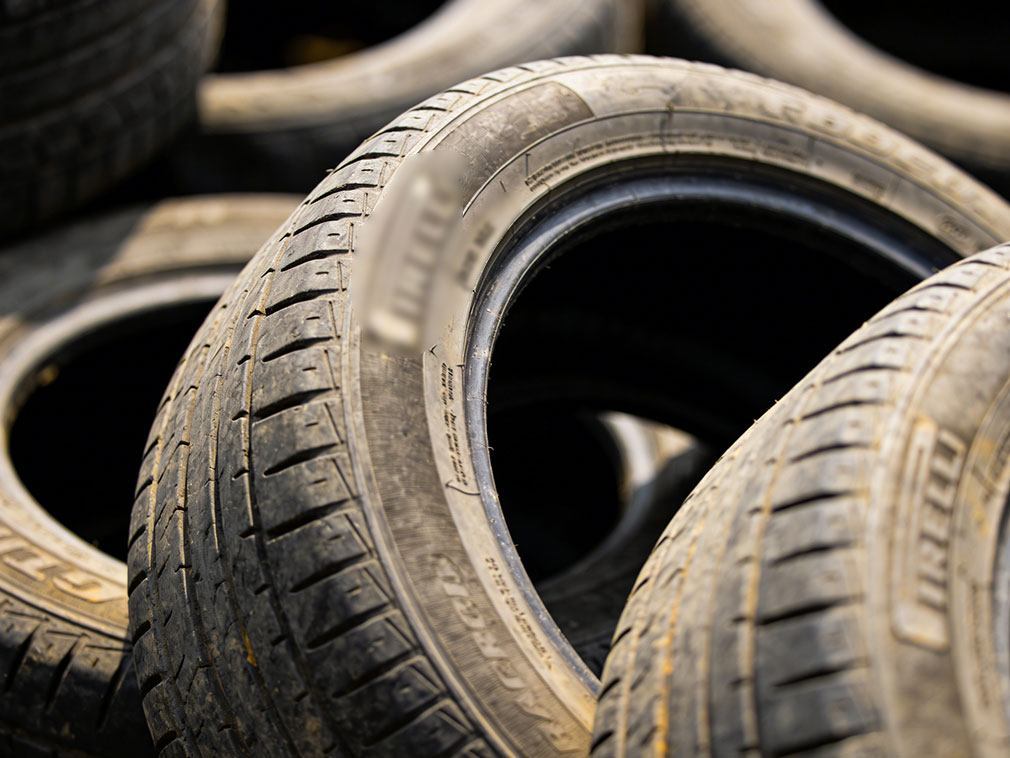
However, driven by the national "two new" policies in 2026, the supply and marketing system's recycling network has been upgraded, and internet recycling platforms have optimized their models, improving recycling efficiency in central and western regions and narrowing the price gap.
Currently, the price difference between eastern provinces such as Guangdong and Jiangsu and central provinces such as Hubei and Henan has shrunk to 50-100 yuan/ton, with only remote counties still experiencing a difference of 100-150 yuan/ton due to high transportation costs. This trend towards equalization aligns with policy guidance, optimizes resource allocation, and lays the foundation for the industry's large-scale development.
The price of waste tires in 2026 will be determined by multiple factors, including policy, supply and demand, and supply chain linkages. On the policy front, the National Development and Reform Commission and the Ministry of Finance's "Two New" policies and the seven-department "Action Plan for Promoting the Application of Recycled Materials" have stabilized prices through standardized recycling channels and boosted market expectations by supporting leading enterprises, cracking down on illegal production capacity, and expanding the application of recycled materials.
On the supply and demand side, data from the Ministry of Public Security shows that the number of vehicles in China reached 353 million at the end of 2024, increasing to 359 million in June 2025 (36.89 million of which were new energy vehicles, accounting for 10.27%).
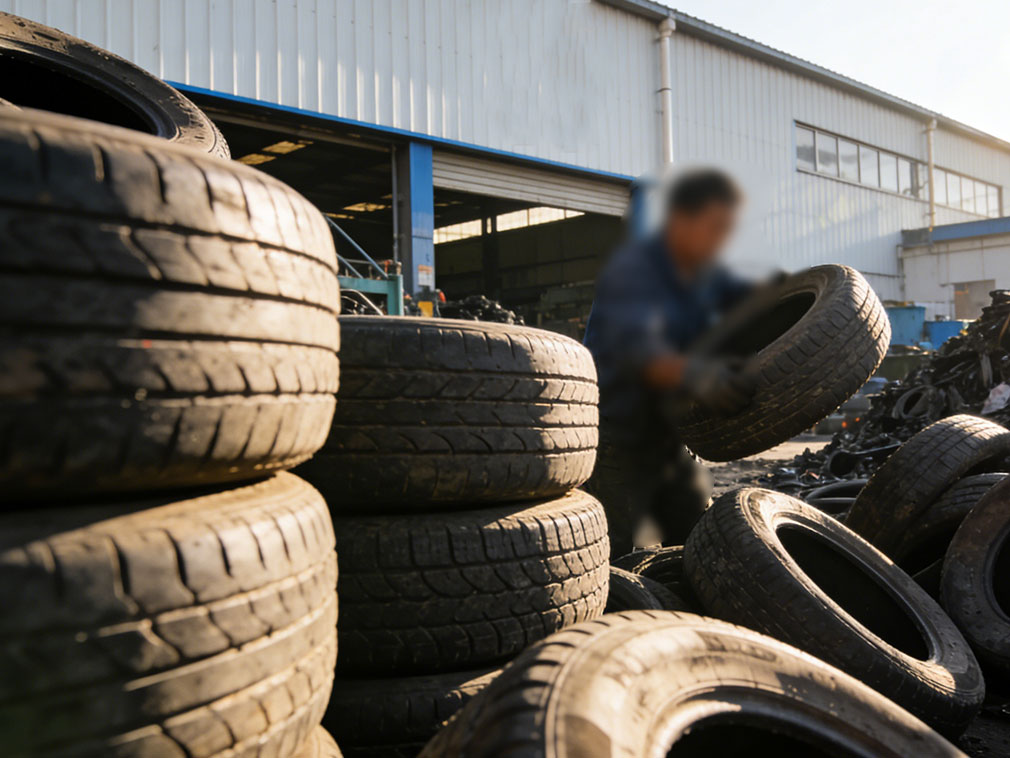
Coupled with the high wear characteristics of new energy vehicle tires, the supply of waste tires has steadily increased. Increased utilization of downstream pyrolysis capacity and the expansion of recycled carbon black applications provide rigid demand support.
At the industry chain level, the slight decrease in natural rubber prices has put some pressure on recycling prices, but the increase in virgin carbon black prices has driven up the demand and price of pyrolysis carbon black, coupled with the support of tire oil prices, which has ensured the stability of recycling prices.
-
Foreign Media Visits Yimin Open-Pit Mine: 100 Autonomous 90-Ton Trucks in Operation(Oct 9)8222
-
IRSG: Natural Rubber Prices Hit Multi-Year Highs, Short-Term Correction Pressure Expected(Oct 9)8621
-
Used Car Exports Enter a Trust-Based Phase: Over 450,000 Units in First 8 Months(Oct 9)5384
-
National Day Highway Charging Hits Record: +60.4% YoY(Oct 8)8283
-
New Energy Vehicle Exports Accelerate: 3.435 Million Units in First 8 Months, Up 120% Year-on-Year(Oct 8)8907




