
China Tires: 2nd US Sunset Review
Latest news indicates that on January 2, 2026, the U.S. Department of Commerce officially announced a second sunset review investigation into antidumping and countervailing duties (hereinafter referred to as "anti-dumping and countervailing duties") on passenger car and light truck tires imported from China.'=
On the same day, the U.S. International Trade Commission (USITC) simultaneously launched an industry injury investigation. This investigation will directly determine whether the existing anti-dumping and countervailing duties on the Chinese tire products in question will continue, impacting the core landscape of Chinese tire exports to the U.S. over the next five years. More than 100 domestic tire companies involved will face this major industry test.
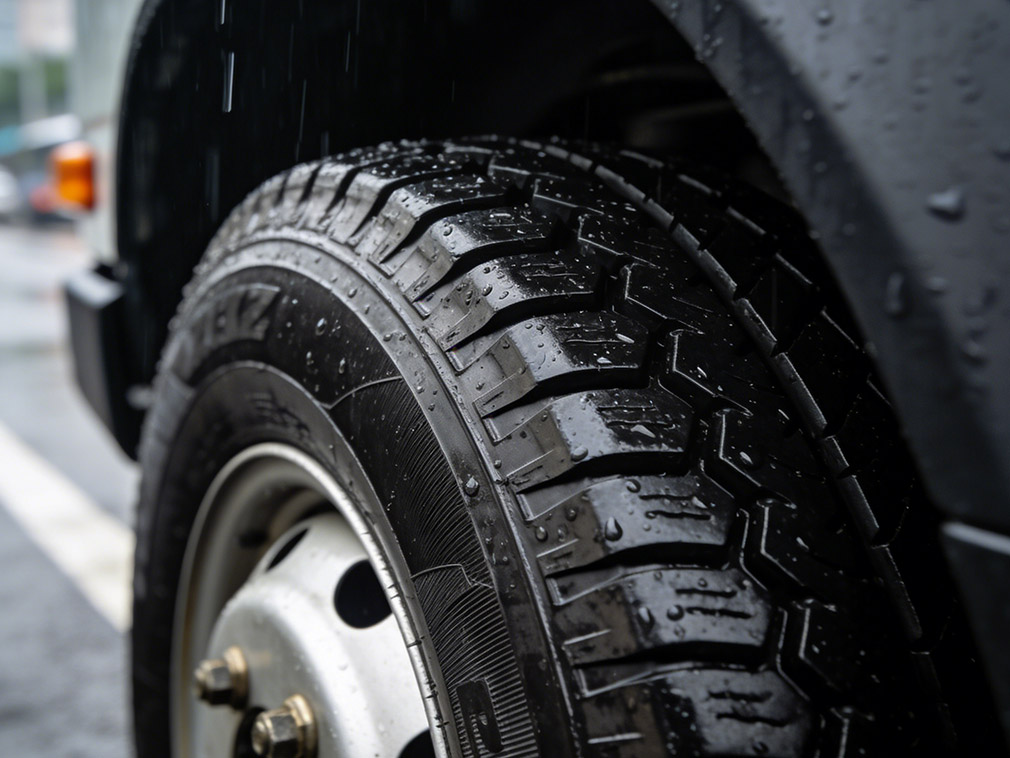
To understand the impact of this investigation, it is necessary to first clarify the core of "sunset review": According to WTO rules and U.S. trade remedy regulations, the implementation period for anti-dumping and countervailing duties is typically five years. Before the expiration of this period, a review is needed to determine whether the products in question have caused further industry injury in the importing country after the tariff order is revoked. This is a routine procedure, but it concerns the core interests of the exporting party.
This is the second sunset review by the United States on this type of Chinese tire. The Sino-US tire trade friction has lasted for over a decade: from 2009 to 2012, the US imposed punitive tariffs on the tires in question for three years; the first anti-dumping and countervailing duty investigation was launched in 2014, and a positive final determination was made in 2015; the first sunset review in 2021 upheld the tariffs, and this second review marks a crucial new stage in the Sino-US tire trade game.
This investigation continues the US's "dual-track" review model: the US Department of Commerce examines whether Chinese tire dumping or subsidies have recurred after the tariff order was revoked, while the US International Trade Commission determines whether the relevant imports continue to harm the US domestic industry.
The US has specified key timelines: stakeholders must register with the US Department of Commerce within 10 days of the announcement, submit a response to the US International Trade Commission by February 2, 2026, submit comments by March 16, and participating applicants must submit a substantive response within 30 days.
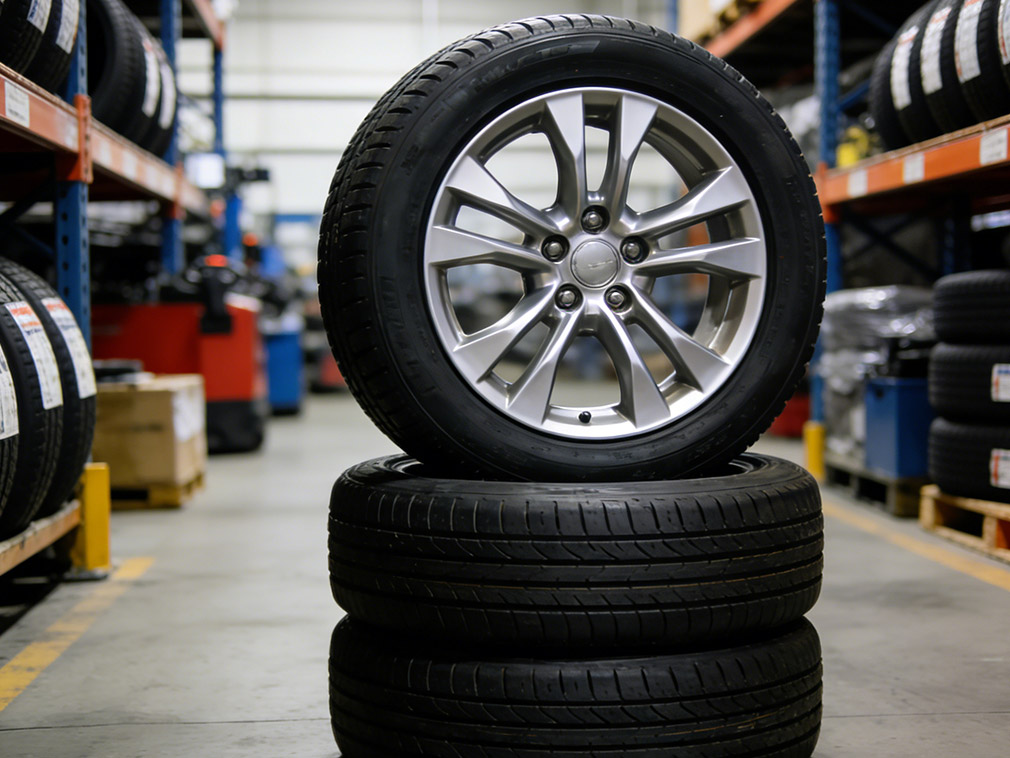
The outcome is determined tiered based on the responses: If the US applicant's response is insufficient, the tariff order will be revoked within 90 days; if the respondent provides a complete response and their exports account for more than 50% of the total, a full review will be initiated within 240 days (extendable by 90 days); incomplete responses will enter a 120-day accelerated review, and the tariff order will only be extended if both the US and Chinese authorities issue affirmative rulings.
Industry analysts generally believe that, considering past cases and the US applicant's proactive attitude, the likelihood of the tariff order being revoked is low, and Chinese tire exports to the US will remain under long-term pressure.
This review has both short-term pressure and long-term forcing effects on the Chinese tire industry. In the short term, the current high anti-dumping duties of 14.35%-87.99% and countervailing duties of 20.73%-100.77%, coupled with the US "reciprocal tariffs" in April 2025, will result in a combined tariff rate exceeding 100%, significantly weakening the competitiveness of Chinese tire exports to the US, leading to a significant decline in export volume.
In the long run, trade barriers are forcing the industry to transform and upgrade, with leading companies increasingly "building factories overseas" to circumvent tariffs: Sailun has established bases in Vietnam and Cambodia and is advancing the construction of a factory in Mexico. Linglong has established itself in Thailand and Serbia, forming a global production capacity network to maintain its market share in the US through "local production and supply," making "overseas production capacity" a core strategy.
Faced with this review, the Chinese tire industry is prepared. After years of negotiation, the industry has formed a four-pronged response mechanism involving the central government, local governments, the industry, and enterprises. This mechanism helped China win the anti-dumping and countervailing duty case against the US for truck and bus tires in 2017.
For this review, industry associations and companies have begun preparations, with active response, reliance on the collaborative mechanism, and optimized market layout as core strategies. At the same time, companies are accelerating the shift from "price competition" to "value competition," enhancing product added value through technological innovation, such as Sailun's "liquid gold" technology and Linglong's R&D layout in eight locations across three countries. This not only helps to cope with trade barriers but also promotes the industry's high-end upgrading.

This sunset review not only concerns the landscape of Chinese tire exports to the US, but also serves as a crucial indicator of Sino-US trade relations. Against the backdrop of global supply chain restructuring, trade friction is an inevitable challenge for Chinese manufacturing companies "going global." For tire companies, promoting global production capacity layout, strengthening technological innovation and compliance management, and enhancing brand influence are key to long-term development.
With the March 16th deadline for submitting comments approaching, the industry's response is entering its final countdown. The outcome of the negotiation will be announced at a later date, and the industry's transformation and upgrading will continue amidst these challenges.
-
National Day Highway Charging Hits Record: +60.4% YoY(Oct 8)8264
-
New Energy Vehicle Exports Accelerate: 3.435 Million Units in First 8 Months, Up 120% Year-on-Year(Oct 8)8882
-
Chinese Tire Exports: Volume Up But Revenue Down Nearly RMB 900 Per Ton(Oct 8)5408
-
CNH Industrial: Smart Farming, NE and Local Tech(Sep 30)5575
-
CNHTC Drives Surging NE Heavy Truck Exports(Sep 30)8500




