
All-Steel Tire Market Stalemate
As of January 7, 2026, the all-steel tire market is in a stalemate characterized by "strengthened cost support and weak demand pressure," further highlighting the contradictions among various links in the industrial chain. The industry is currently in a critical stage of seasonal adjustments and structural changes.
On the raw material side, the price of natural rubber, the core raw material for all-steel tires, fluctuated with a slightly upward trend. The main contract (RUZL2) opened at 16,050 yuan/ton, reached a high of 16,350 yuan/ton, a low of 16,000 yuan/ton, and closed at 16,180 yuan/ton, an increase of 130 yuan/ton during the day. New rubber production in Thailand continues to increase, but the expected cessation of tapping in the northeast in January is supporting spot prices.
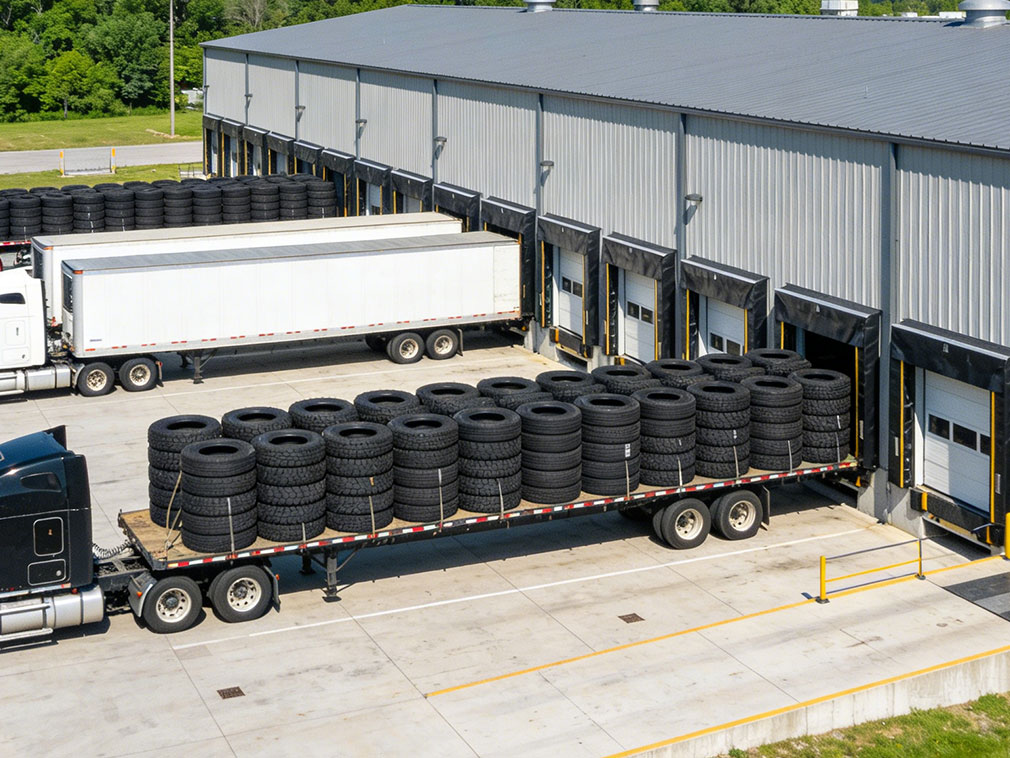
Domestically, tapping has completely stopped in Yunnan, and the amount of rubber available for harvesting in some rubber plantations in Hainan is limited. Processing plants are raising prices to aggressively purchase rubber, strengthening cost support. The supply of auxiliary raw materials such as synthetic rubber is stable. Maoming Petrochemical has not yet announced the restart of its 100,000-ton butadiene rubber plantation in January, limiting short-term capacity release and having a mild impact on costs.
Overall, the raw material side continues to provide cost support, constraining the production and operation of tire companies. Production remained weak. As of January 1, 2026, the capacity utilization rate of domestic all-steel tire sample enterprises was 57.93%, a decrease of 3.76 percentage points month-on-month and 61.69% year-on-year (data source: industry survey sample statistics).
This was mainly due to enterprises' maintenance during the New Year's Day holiday and proactive production control to reduce inventory. Inventory pressure intensified, with the average inventory turnover days of sample enterprises at 44.28 days (an increase of 0.50 days month-on-month), having previously increased month-on-month for several consecutive months (data source: industry survey sample statistics).
Distributors reported that inventory was at a near one-year high, indicating a significant supply-demand imbalance. Against this backdrop, enterprises had a weak willingness to purchase on demand and replenish inventory, further solidifying the stalemate in the market.
Demand was at a seasonal low. With the Spring Festival approaching in January, the operation and transportation frequency of downstream infrastructure, mining, and logistics industries declined, leading to a sharp decrease in end-user demand.
Low temperatures not only suppressed new demand but also lengthened the tire replacement cycle, with a particularly noticeable "cliff-like" drop in sales in northern regions. Furthermore, distributors shifted their focus to collecting outstanding payments at the end of the year, reducing their enthusiasm for distribution and promotion, further suppressing demand. With the Spring Festival holiday looming, demand is expected to remain weak in January and February, making inventory reduction the core task for the industry chain.
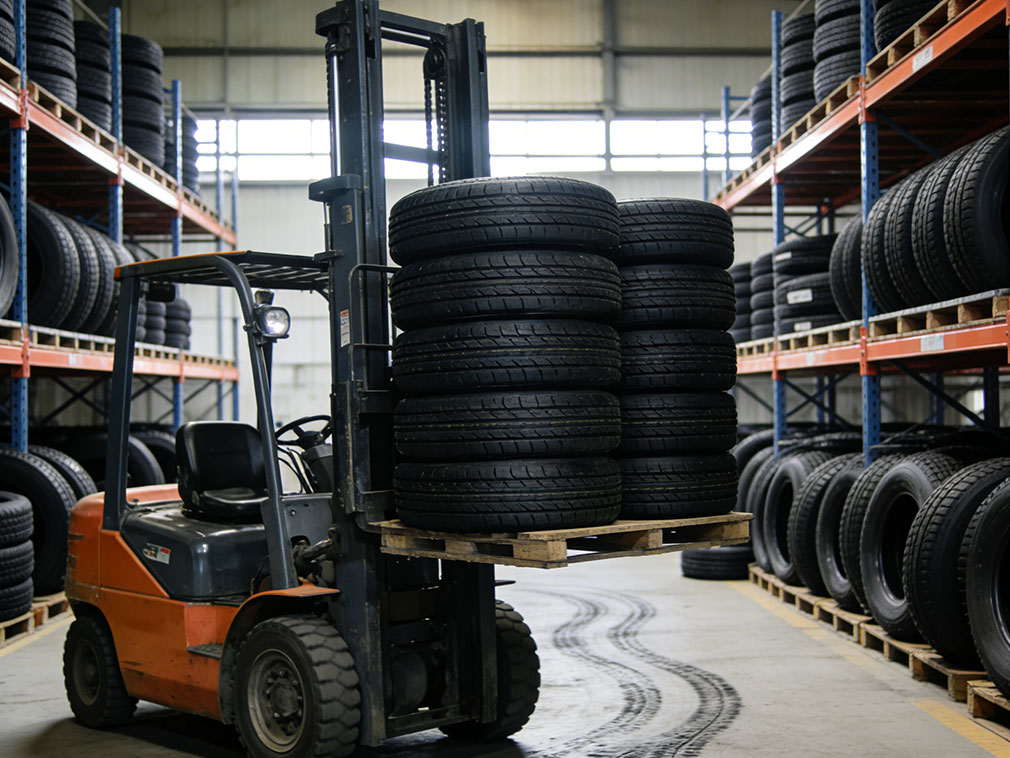
On the price front, the domestic all-steel tire market currently lacks the conditions for a significant price increase in the short term, instead exhibiting a clear price-playing dynamic. Distributors are facing high inventory levels, leading to a strong promotional atmosphere in the market to alleviate financial pressure. Prices for some products have fallen by 8-50 yuan per tire, with companies stimulating sales volume through prepayment discounts and special promotions for major clients.
Some high-end products or those that previously saw price increases have also experienced price corrections of 10-25 yuan per tire, attempting to stimulate end-user demand through slight price reductions. Conversely, a few companies have chosen to "contract and recover," canceling short-term promotional policies and directly removing special offers for some best-selling products to stabilize channel profits. However, these companies represent a relatively small percentage.
The key contradiction lies in the fact that the pressure of rising raw material prices upstream has not yet fully passed on to the end-user. End-user selling prices are difficult to increase while costs continue to rise, significantly squeezing the theoretical profit margins of manufacturers and further exacerbating the industry's operating pressure.
In the capital market, as of January 6th, the Tire & Rubber (A-share) Index (700502) closed at 3386.0128, up 0.49% from the previous day, with a turnover of 4.043 billion yuan, showing a slight upward trend. This performance is related to the recent generally bullish market sentiment for commodities, with a positive macroeconomic sentiment providing some support for the valuation of industrial products.
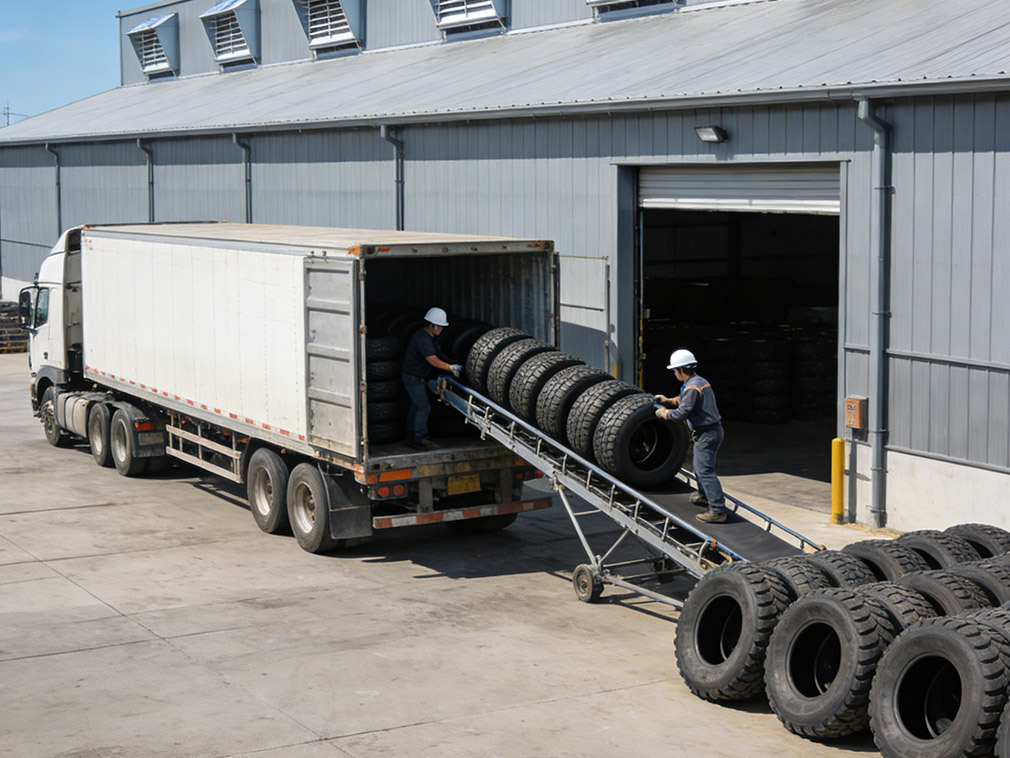
However, it should be noted that short-term fluctuations in the capital market do not fully reflect the weakness in the industry's fundamentals. According to data from the Tonghuashun Financial Database, the current annual report price-to-earnings ratio of the Tire & Rubber (A-share) Index is 18.73, not the previously mentioned range of 8-13 times. Market confidence in the industry still depends on the recovery of demand after the holiday and substantial positive macroeconomic policies.
From the perspective of industry structure, the current market adjustment has also accelerated the industry reshuffle. Smaller companies are gradually being eliminated due to their weak cost control and poor risk resistance, while leading companies are accelerating their market share gains by leveraging their advantages such as global production capacity layout and breakthroughs in high-end supporting facilities.
The expectation of a concentrated release of overseas production capacity by leading domestic tire companies in 2026 is expected to support them in achieving both volume and profit growth.
-
National Day Highway Charging Hits Record: +60.4% YoY(Oct 8)8273
-
New Energy Vehicle Exports Accelerate: 3.435 Million Units in First 8 Months, Up 120% Year-on-Year(Oct 8)8891
-
Chinese Tire Exports: Volume Up But Revenue Down Nearly RMB 900 Per Ton(Oct 8)5414
-
CNH Industrial: Smart Farming, NE and Local Tech(Sep 30)5588
-
CNHTC Drives Surging NE Heavy Truck Exports(Sep 30)8507




