
EV Commercial Vehicle Tire Market
Against the backdrop of the nation's deepening "dual-carbon" strategy, the new energy commercial vehicle industry is experiencing accelerated penetration. From light-duty trucks for urban delivery to heavy-duty trucks for domestic port trade, electrification is profoundly reshaping the commercial vehicle industry ecosystem. The development dividends of this trillion-yuan market are gradually being released, and tire companies have keenly seized this emerging business opportunity.
As a core consumable component of commercial vehicles, tire performance is directly related to vehicle operating efficiency and life-cycle cost control. The explosive growth of new energy commercial vehicles has opened up a new blue ocean market for the tire industry.
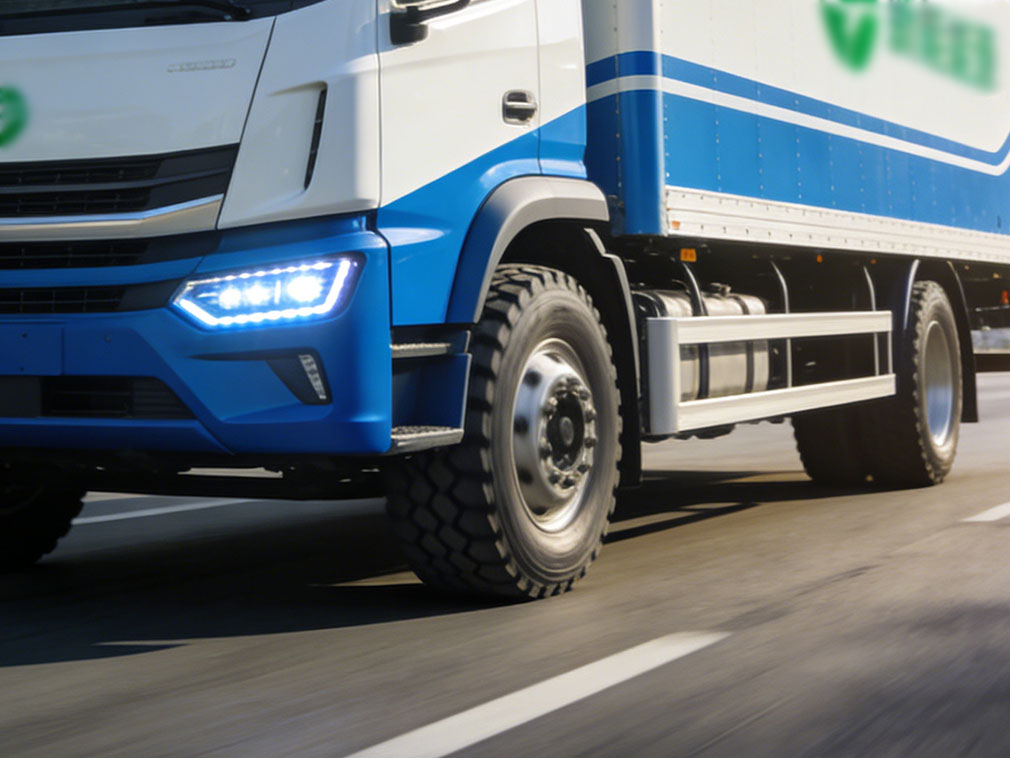
However, it should be noted that unlike the passenger car tire market, which focuses on comfort and quietness, the commercial vehicle sector's unique cost sensitivity and priority on operational efficiency are building a complex network of competition encompassing technology research and development, cost control, and the industrial ecosystem.
The technological characteristics of new energy commercial vehicles have set up the first hurdle for tire companies. Compared to traditional gasoline-powered commercial vehicles, electric commercial vehicles generally exhibit characteristics such as high instantaneous torque and a 25% increase in battery load.
This frequently leads to a "triple dilemma" for tires: high wear, high failure rate, and high abnormal wear. The abnormal wear rate is as high as 30%, and a 30% reduction in wear reduction directly drives up operating costs.
Meanwhile, the extreme pursuit of extended range by new energy commercial vehicle users is forcing tire manufacturers to overcome the challenges of low rolling resistance technology. Data shows that rolling resistance accounts for 30%-33% of truck energy consumption costs, and this percentage is even higher for new energy commercial vehicles.
A 15% reduction in rolling resistance can increase range by 80 kilometers. Balancing technological breakthroughs with cost control has become the core of the competition. Companies must invest heavily in R&D to reinforce composite materials and optimize tire structure while avoiding technology premiums that exceed users' affordability.
Price competition driven by cost sensitivity is becoming increasingly fierce. The core demand of commercial vehicle operation is cost reduction and efficiency improvement. As a high-frequency consumable, the procurement cost and replacement frequency of tires directly affect profit margins.
Despite the significant cost advantages of new energy commercial vehicles throughout their entire lifecycle, their initial purchase costs are relatively high, and users are far more price-sensitive to the cost of matching tires than in the passenger car market.
Domestic tire companies are seizing market share by leveraging their cost-effectiveness, while foreign brands compete by offering premium pricing based on high-end technology, creating a battle between "low-price, high-volume" and "technology premium" strategies. Furthermore, innovations in business models such as vehicle-battery separation and whole-vehicle leasing have incorporated tire procurement into overall operating cost accounting, further intensifying the price competition between tire companies, automakers, and logistics platforms.
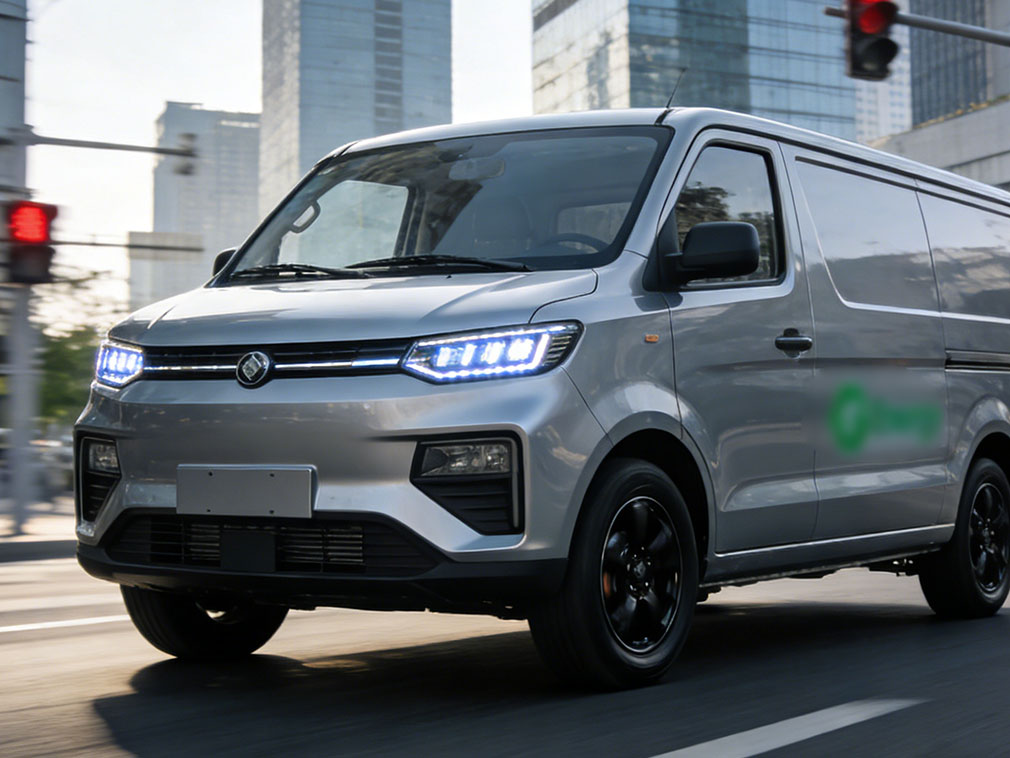
Different application scenarios further complicate the industry competition. The application scenarios for new energy commercial vehicles are gradually expanding from closed ports to urban delivery and long-haul routes, with different scenarios demanding vastly different tire performance requirements: long-haul routes require extremely low rolling resistance, urban delivery emphasizes wear resistance and grip, and heavy-duty port operations prioritize puncture resistance.
Tire companies need to develop specialized products for these specific scenarios, which tests their technological adaptability and places demands on their production capacity layout. Meanwhile, external factors such as an incomplete energy replenishment network and regional policy differences have led to significant regional differentiation in the new energy commercial vehicle market. Tire companies need to accurately match regional demands and find a balance between technological standardization and scenario customization.
This trillion-dollar market presents both opportunities and fierce competition. The key to breakthroughs for tire companies lies in resolving the contradiction between cost and efficiency through technological innovation.

Only by deeply understanding user needs and improving product cost-effectiveness through material innovation, structural optimization, and digital R&D can they gain the upper hand in the complex industry competition, contributing to the high-quality development of the new energy commercial vehicle industry and achieving their own transformation and leap forward in the wave of carbon emissions.
-
National Day Highway Charging Hits Record: +60.4% YoY(Oct 8)8264
-
New Energy Vehicle Exports Accelerate: 3.435 Million Units in First 8 Months, Up 120% Year-on-Year(Oct 8)8882
-
Chinese Tire Exports: Volume Up But Revenue Down Nearly RMB 900 Per Ton(Oct 8)5408
-
CNH Industrial: Smart Farming, NE and Local Tech(Sep 30)5577
-
CNHTC Drives Surging NE Heavy Truck Exports(Sep 30)8500




