
Pirelli Launches 70% Bio-Based Tire
Recently, Italian tire company Pirelli launched its first mass-produced tire with over 70% bio-based and recyclable materials. Developed specifically for Jaguar Land Rover, this product belongs to the P Zero series and will initially be installed on the 22-inch wheels of the Land Rover Range Rover.
This move is a significant achievement in the deepening strategic cooperation between the two companies on sustainable tires. It not only realizes the large-scale application of environmentally friendly materials but also marks a substantial breakthrough in the green transformation of the tire industry.
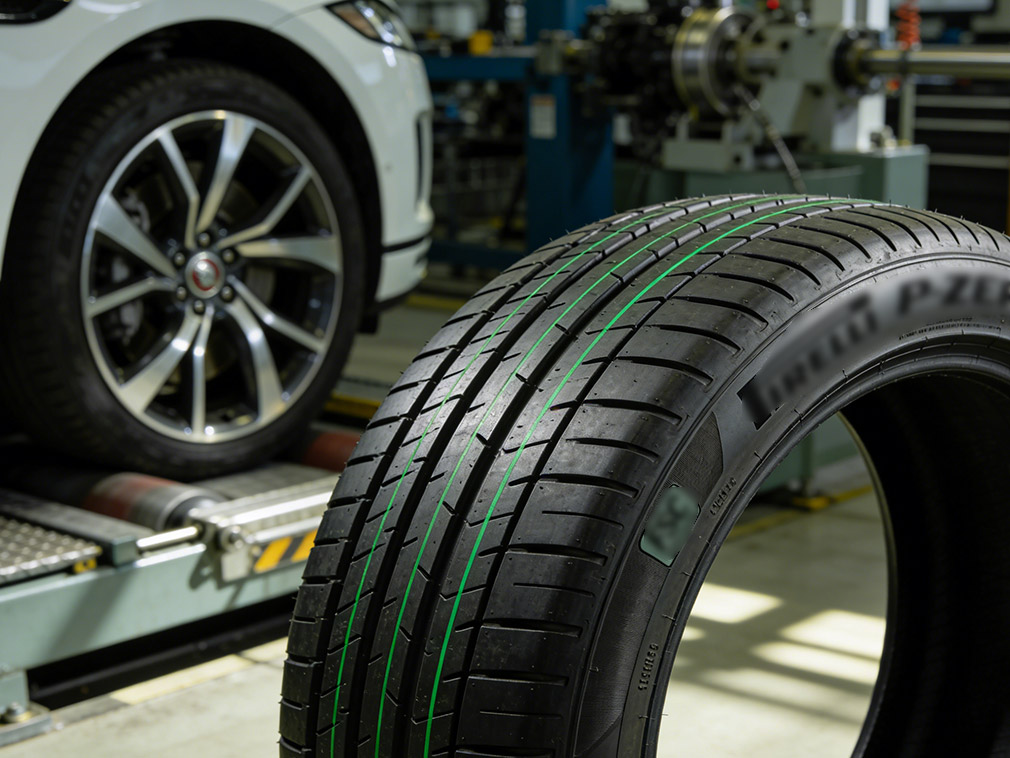
Bio-based materials are gradually replacing traditional petroleum-based materials, moving from conceptual exploration to industrial practice and becoming a core trend driving sustainable development in the global tire industry.
This tire is highly representative in its application of environmentally friendly materials, with its composition encompassing a variety of innovative recycled and bio-based sources. One of the core materials is natural rubber certified by the Forest Stewardship Council (FSC), which ensures that the entire supply chain, from planting to production, complies with sustainable management standards.
The tread compound uses white carbon black extracted from rice husk ash, a waste product of rice processing, which helps improve wetland grip; the belt layer uses recyclable steel smelted from scrap steel, maintaining the same mechanical properties as virgin steel while reducing resource consumption.
In addition, the tire incorporates environmentally friendly components such as recycled carbon black made from waste tire pyrolysis oil, bio-recycled polymers extracted from waste cooking oil, and plant-based bio-resins (as multifunctional plasticizers, optimizing performance balance in dry and wet conditions).
All materials are certified by Bureau Veritas, and the tires bear both the FSC certification mark and Pirelli's unique eco-label (representing that bio-based and recyclable materials account for more than 50%), achieving an effective combination of performance and environmental protection.
Pirelli's technological breakthrough is a microcosm of the current green transformation of the global tire industry. For a long time, tire manufacturing has heavily relied on petroleum-based materials, consuming non-renewable resources and creating environmental pressure during production and disposal.
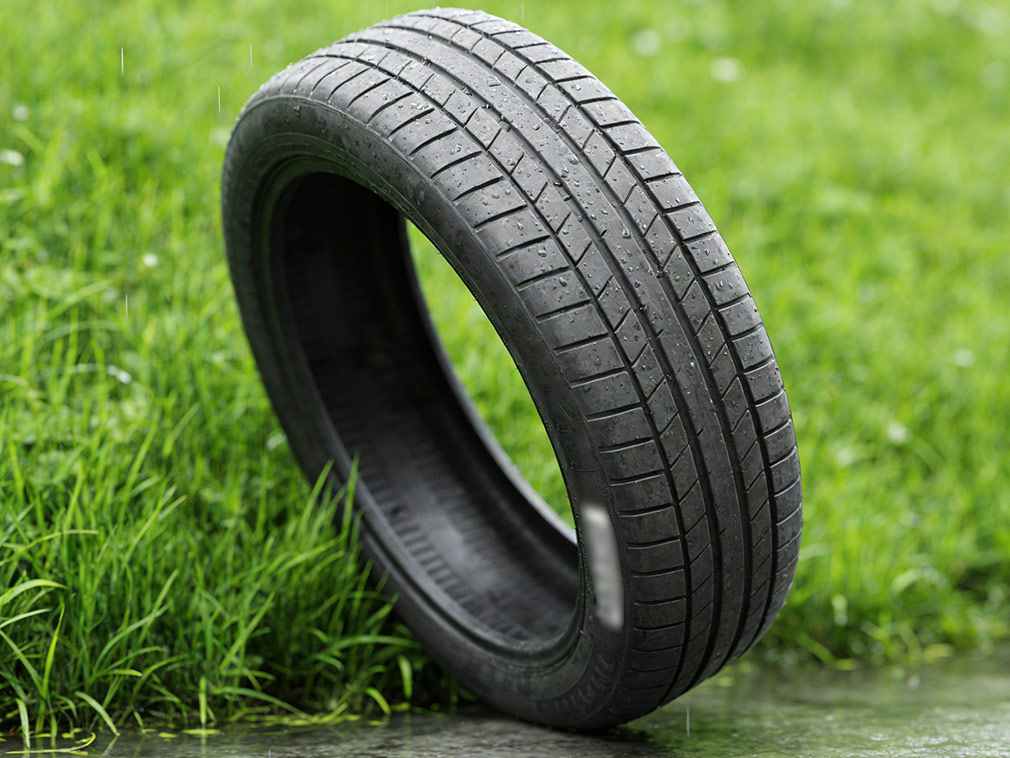
Against this backdrop, bio-based materials, with their renewable and low-carbon emission characteristics, have become a viable alternative to petroleum-based materials, and many companies have accelerated their related development.
For example, in 2024, Linglong Tire of China launched the world's first environmentally friendly tire with a sustainable material content of 79%. This product uses recycled materials such as rice husk ash and waste steel, as well as bio-based itaconic acid ester rubber.
Its three core performance indicators—wet braking, rolling resistance, and noise—all meet the EU Label Class A standard, and it won the Gold Award in the Foresight Category—Lightweight and New Materials—at the 9th Lingxuan Awards, demonstrating its technological strength and gaining industry recognition.
Based on publicly available information, global tire companies have collectively shown a clear trend towards green development.
The trend of bio-based materials replacing petroleum-based materials stems from the combined impetus of policy, market forces, and technology. Under the global "dual-carbon" strategy, the EU's upcoming eco-design regulations for tires will mandate the disclosure of product carbon footprints, and China is also raising the industry's environmental threshold through measures such as the "Green Product Evaluation Standard," forcing companies to transform.
In the market, the demand for low rolling resistance and lightweight tires from new energy vehicles is increasing, while consumers' environmental awareness is constantly improving, driving automakers to accelerate the adoption of green tires.
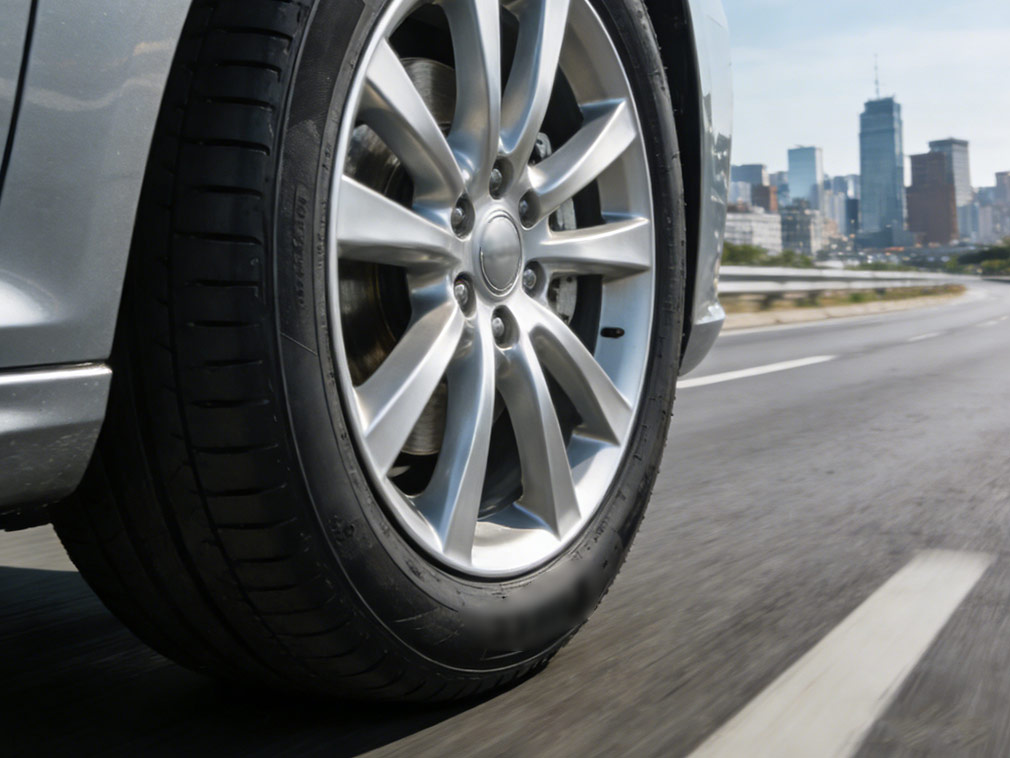
From a technological perspective, the research and development of materials such as bio-based polymers and recycled carbon black are becoming increasingly mature, reducing production costs while ensuring product performance. Notably, Pirelli has clearly planned to use FSC-certified natural rubber in all its European factories by 2026, and this plan has already been initiated, demonstrating the industry's long-term commitment to green materials.
The launch of Pirelli's mass-produced tires containing 70% environmentally friendly materials provides a referable industrialization path for the industry's green transformation. With continuous technological iteration and deepening supply chain collaboration, the proportion of bio-based materials in tires is expected to continue to increase, driving the industry to gradually reduce its dependence on petroleum resources.
-
National Day Highway Charging Hits Record: +60.4% YoY(Oct 8)8264
-
New Energy Vehicle Exports Accelerate: 3.435 Million Units in First 8 Months, Up 120% Year-on-Year(Oct 8)8882
-
Chinese Tire Exports: Volume Up But Revenue Down Nearly RMB 900 Per Ton(Oct 8)5408
-
CNH Industrial: Smart Farming, NE and Local Tech(Sep 30)5575
-
CNHTC Drives Surging NE Heavy Truck Exports(Sep 30)8500




