
Morocco: A New Hub for Chinese Tire Maker
On January 5, 2026, the board of directors of Guizhou Tire Co., Ltd. approved two key resolutions, officially launching the construction of its second overseas production base—a factory in Morocco. The project plans to invest approximately US$299 million in building a smart manufacturing plant with an annual production capacity of 6 million semi-steel radial tires.
Forward Tire (Morocco) Co., Ltd., as the implementing entity, will invest an initial US$90 million. This move not only marks the formation of Guizhou Tire's global "dual-base driven" strategy (Vietnam and Morocco), but also provides a typical model for Chinese manufacturing to overcome international trade barriers and optimize its global supply chain layout through its precise implementation of the "production-based sales" model.
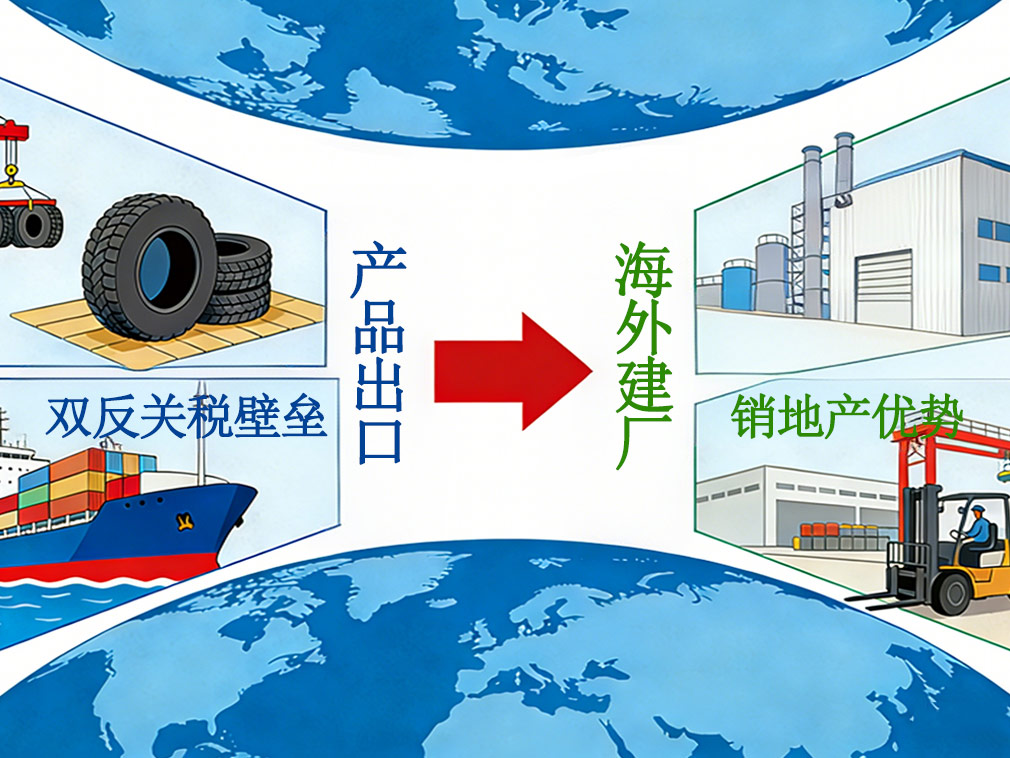
1. Core Logic: Solving the "Anti-dumping and Countervailing Duties" Dilemma with "Made in Morocco"
The primary strategic consideration for this investment is to cope with the increasingly severe international trade environment. In recent years, the European and American markets have continuously imposed high "anti-dumping and countervailing" tariffs on Chinese tire products, severely hindering traditional export routes. The core logic for choosing Morocco as the factory location lies in its unique network of trade agreements.
Morocco has signed free trade agreements with the EU and the US, allowing tires manufactured there to enjoy zero or very low tariffs when exported under the "Made in Morocco" label. This helps Guizhou Tire effectively circumvent tariff barriers faced by products originating in China, directly and at low cost entering mainstream European and American markets.
This path has been validated by pioneers. Sentury Tire, another Chinese-invested tire company, began production at its factory in Tangier Tech City, Morocco in 2024, confirming that its products have a significant tariff advantage when exported to the US market. Guizhou Tire's follow-up confirms the consensus and feasibility of this strategy within the industry.
2. Location and Cost: Dual Advantages Amplify Strategic Value
In addition to policy benefits, Morocco's location and overall cost advantages further strengthen the value of "production for export."
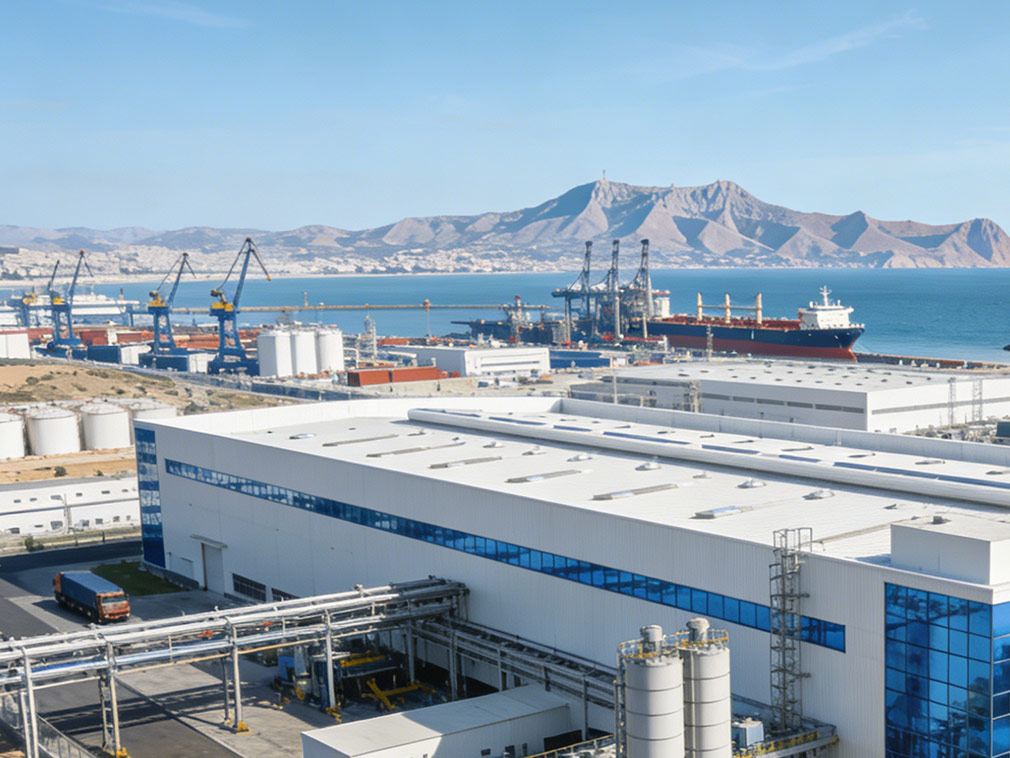
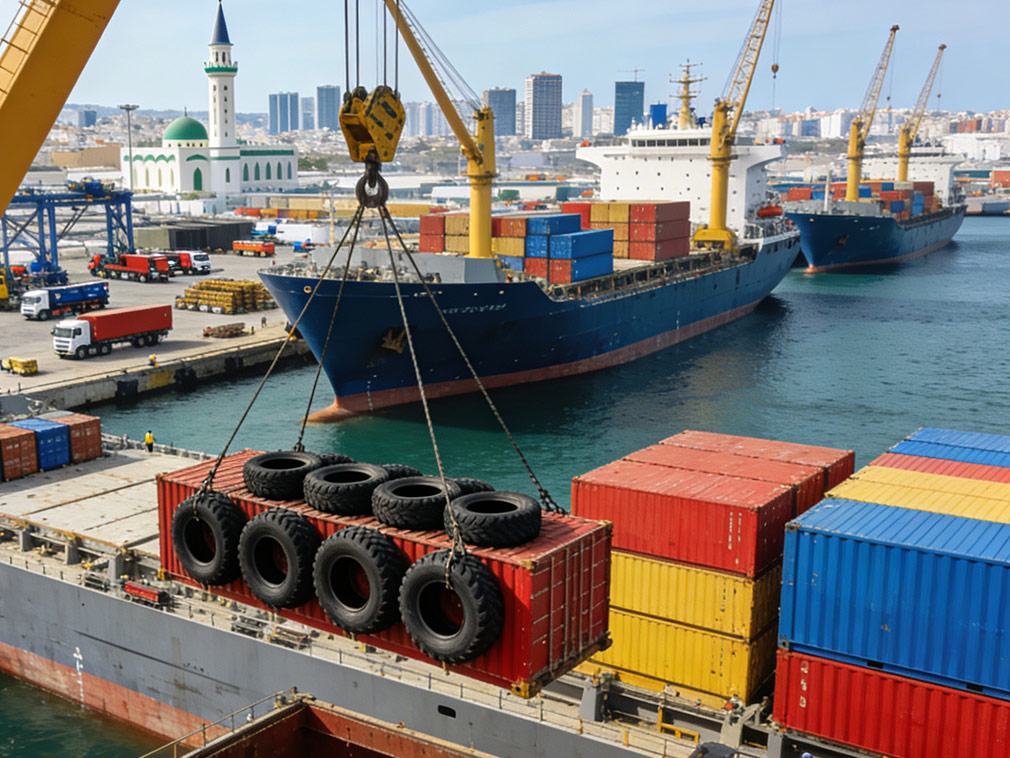
Geographical and Logistics Hub: The project's location in Tangier Tech City is adjacent to the important African port of Tangier, facing Europe across the Strait of Gibraltar. This reduces sea freight time to Europe to a few days, greatly improving supply chain responsiveness and service capabilities to the European market. Meanwhile, this location also serves as a natural hub for radiating into the African and Middle Eastern markets.
Cost and Policy Incentives: Morocco boasts competitive labor and energy costs. Furthermore, the local government offers strong tax incentives to attract investment, such as a five-year exemption from corporate income tax, further improving the project's profitability prospects.
3. Strategic Advancement: From "Product Export" to "Model and Capacity Export"
The Morocco project is Guizhou Tire's second overseas production base after its Vietnam base, marking a new stage in its globalization driven by "dual bases." This represents not only an expansion of sales markets but also a systematic export of manufacturing capabilities, management models, and intelligent technologies.
According to the company's announcement, the project is expected to have a construction period of two years. Upon completion and reaching full production capacity, it is projected to achieve average annual sales revenue of approximately US$183 million and average annual total profit exceeding US$40 million, with a total return on investment of 13.37%.
This investment leverages the company's existing overseas operating experience in Vietnam and its own intelligent manufacturing technology, aiming to replicate high-end production capacity overseas. The decision has been thoroughly analyzed and aims to enhance the resilience of the global supply chain.
Against the backdrop of overlapping anti-globalization sentiments and trade protectionism, the strategic significance of Guizhou Tire's Morocco project transcends mere capacity expansion. It represents a crucial transformation for mature Chinese manufacturing, moving from simply "exporting products" to "exporting manufacturing models and supply chain layouts."
By moving production to the heart of the target market, Chinese companies are proactively restructuring global value chains, responding with greater flexibility to an uncertain international economic and trade environment, and exploring a pragmatic path for the industry's globalization.
Currently, the project still requires completion of relevant domestic and international approvals and filings, but its clear strategic move has already outlined a proactive approach to breaking through in the reshaping of the global landscape.




