2026 Agricultural Tire Market: Growth, Trends
In 2026, with the continued deepening of global agricultural modernization, the agricultural tire market showed steady growth. The Chinese market performed particularly well, becoming one of the core engines driving global market growth.
The overall market is developing under the combined impetus of scale expansion, structural upgrading, and technological iteration. However, it is also influenced by factors such as policy guidance, raw material price fluctuations, and uneven regional development, resulting in a profound restructuring of the competitive landscape and growth logic.
In terms of market size, both the global and Chinese markets have achieved substantial growth. In 2026, the global agricultural tire market size is projected to reach US$18 billion, a year-on-year increase of 8%; the compound annual growth rate is expected to remain at 4.2% from 2026 to 2033, primarily driven by the increased agricultural mechanization levels in emerging economies and the widespread adoption of precision agriculture technologies in developed countries.
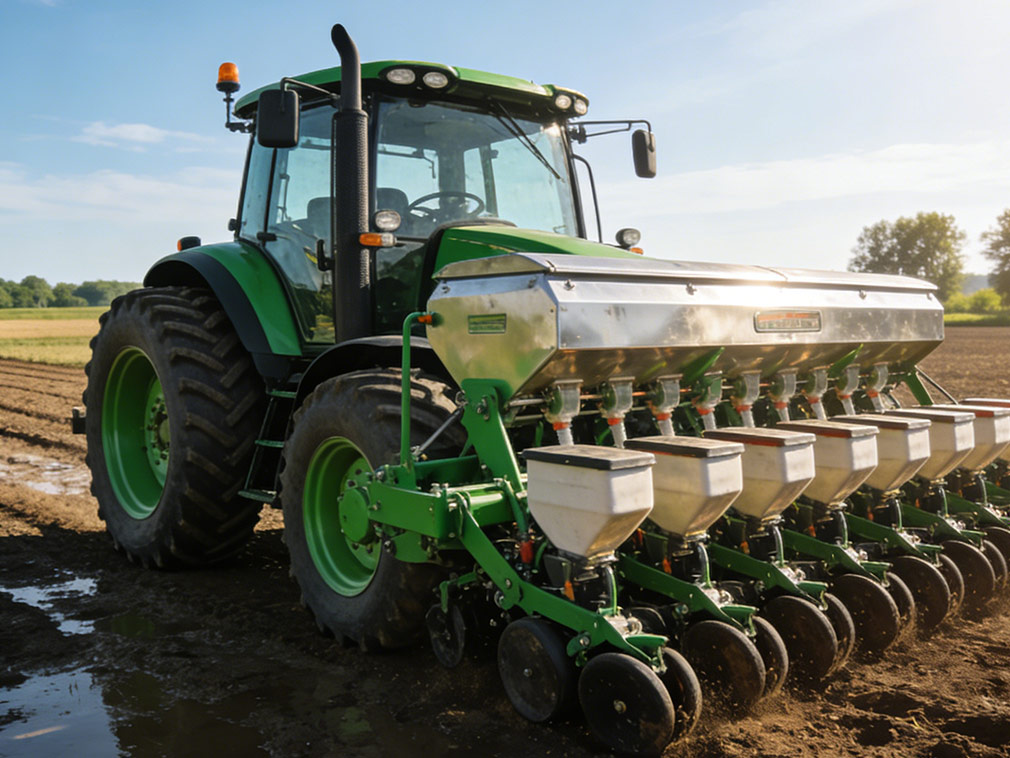
The Chinese market experienced even stronger growth, with the market size projected to reach RMB 12.85 billion in 2026, a year-on-year increase of 12.3%, significantly higher than the global average growth rate. This is mainly due to the fact that the comprehensive mechanization rate of crop cultivation and harvesting in China has reached 75.8%, with large-scale agricultural operations driving the continued release of demand for agricultural machinery and related tires.
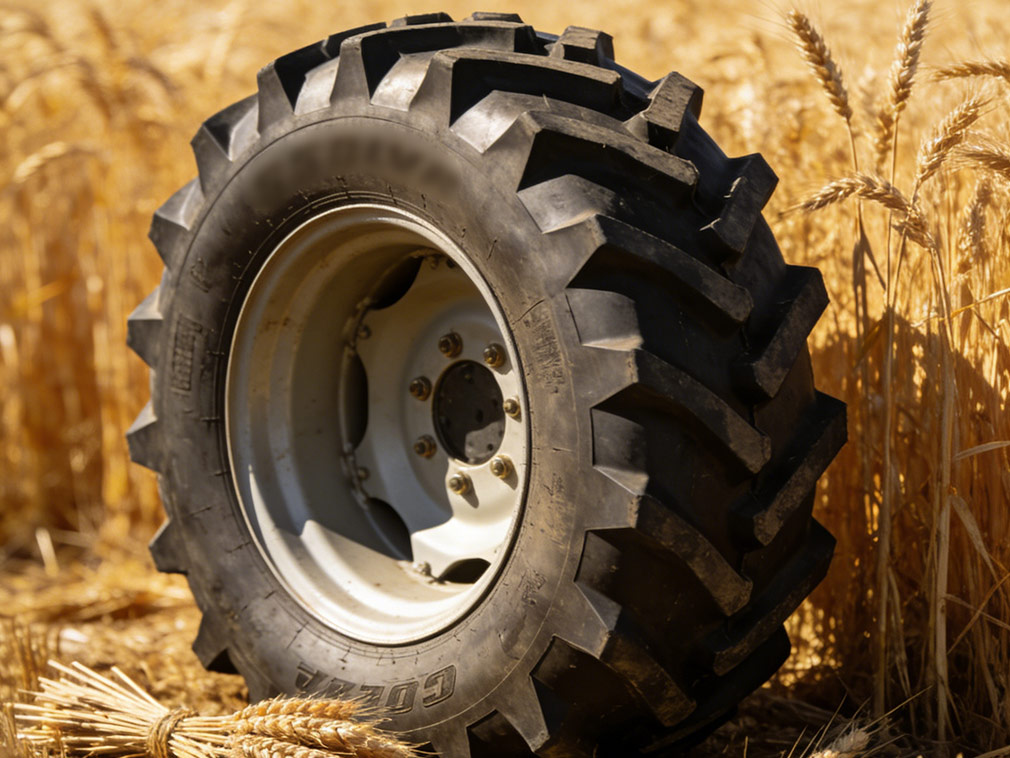
In terms of product structure, there is a significant trend towards high-end and differentiated products. Radial tires, with their advantages of low rolling resistance, high wear resistance, and strong traction, have become the market mainstream, reaching a global market share of 65% by 2026, with a corresponding increase in penetration rate in the Chinese market to 65%.
Among them, tractor tires account for 68.5% of the Chinese agricultural tire market, combine harvester tires account for 15.2%, and other special-purpose tires account for a combined 16.3%. With the advancement of precision agriculture, smart tires have become a new growth point. Products integrating tire pressure and temperature monitoring functions, such as Linglong Tire's "18.4R38 Smart Agricultural Tire," have seen continuous sales growth, with a 30% increase in service life compared to traditional products.
Green and environmentally friendly products are rapidly penetrating the market. Sales of low rolling resistance tires increased by 42% year-on-year, and the application ratio of bio-based rubber and biodegradable materials is gradually increasing. The recycling rate of waste tires has reached 75%.
Regionally, the global market presents a trend of "Asia-Pacific dominance and multipolar growth." The Asia-Pacific region is the world's largest market, with a market size of approximately US$7 billion in 2026. China and India are the main growth drivers.
The North American and European markets maintain stable growth, focusing on intelligent and environmentally friendly products, respectively. The Chinese market is highly concentrated in major grain-producing areas, with Shandong, Henan, Heilongjiang, and Jiangsu provinces accounting for 45.7% of the national market share. North China, the middle and lower reaches of the Yangtze River, and the Northeast Plain are the core demand areas.
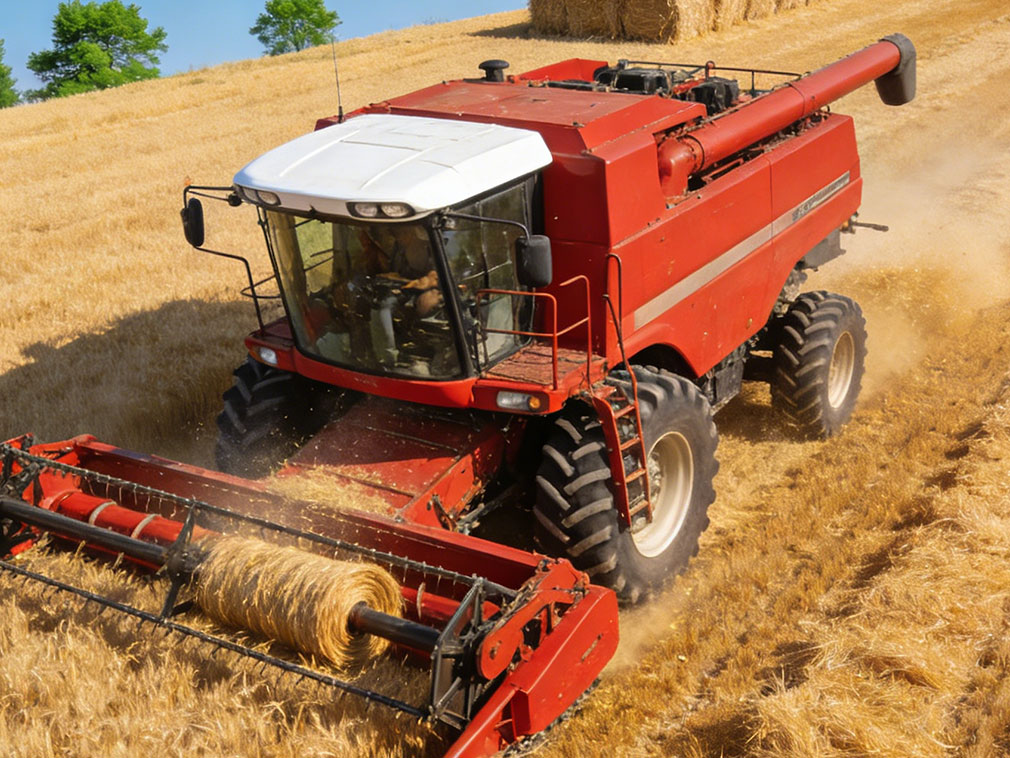
The growth potential of the central and western regions is evident, with an estimated average annual growth rate of 11.8%, higher than the national average. In terms of exports, the competitiveness of Chinese agricultural tires is continuously strengthening, with exports expected to increase by 28% year-on-year in 2026. These exports are mainly to emerging agricultural markets in Southeast Asia, South Asia, and Africa, with exports to countries along the Belt and Road Initiative reaching US$5 billion.
The competitive landscape shows a trend of both domestic and international brands advancing, with domestic brands rising in prominence. International brands such as Michelin and Goodyear still dominate the high-end market, but Chinese brands, leveraging cost advantages and technological innovation, have increased their market share to 58.6%. Leading companies such as Linglong Tire and Zhongce Rubber have an industry concentration ratio (CR10) of 48%.
The distribution channel structure is gradually diversifying, with traditional distributors accounting for 72.3%, direct sales for 18.7%, and emerging channels such as e-commerce rising to 9.0%. Furthermore, the "product + service" model has become a new focus of competition, with tire leasing and intelligent maintenance services gradually being promoted.
In terms of the industry chain, fluctuations in raw material prices have a significant impact on the market. In 2026, the price of natural rubber increased by 15.6% year-on-year, with domestic production at 892,000 tons and demand at 1.278 million tons, resulting in an import dependency rate of 29.8%. Rising costs drove up product prices, with the average price of agricultural tires in China reaching 1,245 yuan in 2026, a year-on-year increase of 3.8%.
The synthetic rubber industry provides some substitution opportunities, with production increasing by 8.2% year-on-year in 2026. Its performance is increasingly approaching that of natural rubber, providing companies with the possibility of cost reduction.
Downstream agricultural machinery manufacturers' personalized demand increased by 23.7%, driving tire companies to transform towards customized production, and the synergy of the industry chain continues to strengthen.
Overall, the agricultural tire market is moving towards a new stage of development that is more efficient, intelligent, and green, with China playing an increasingly important role.
-
National Day Highway Charging Hits Record: +60.4% YoY(Oct 8)8264
-
New Energy Vehicle Exports Accelerate: 3.435 Million Units in First 8 Months, Up 120% Year-on-Year(Oct 8)8882
-
Chinese Tire Exports: Volume Up But Revenue Down Nearly RMB 900 Per Ton(Oct 8)5408
-
CNH Industrial: Smart Farming, NE and Local Tech(Sep 30)5577
-
CNHTC Drives Surging NE Heavy Truck Exports(Sep 30)8500